
Pantiles: The History and Characteristics of S-Shaped Roof Tiles
When surveying the architectural landscapes of eastern Britain, one of the most distinctive features of traditional roofing is the pantile. These fired clay tiles are prized not only for their aesthetic appeal but also for their specific structural advantages over traditional flat tiles.
What is a Pantile?
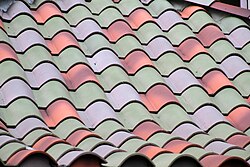
A pantile is a type of fired roof tile, typically manufactured from clay. Its most defining characteristic is its S-shaped profile, which allows the tiles to interlock and channel water efficiently away from the building structure.
Unlike flat tiles, which generally utilize a double lap (overlapping two courses of tiles), pantiles are single lap. This means the end of each tile overlaps only the single course immediately below it.
Structural Advantages and Installation
The unique design of the pantile offers several practical benefits for builders and homeowners. Because they require less overlap than flat tiles, a pantile-covered roof is considerably lighter than a flat-tiled equivalent.
This reduction in weight allows the roof to be laid to a lower pitch, meaning the slope of the roof can be shallower while still remaining effective at shedding water.
Regional Distribution and History
Pantiles have a specific geographical footprint in Britain, largely dictated by historical trade routes. They were first imported from the Netherlands in the early 17th century, leading to their prevalence in eastern coastal regions.
In England and Scotland, these tiles are commonly found in the following areas:
- England: Norfolk, East Yorkshire, and County Durham.
- Scotland: Perthshire, Angus, Lothian, and Fife.
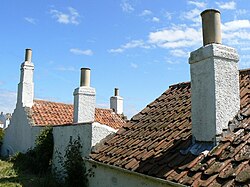
Conversely, pantiles are rarely used in western England or western Scotland, with a few notable exceptions such as Bristol and the Somerset town of Bridgwater.
Key Facts
- Material: Primarily made from fired clay.
- Shape: Distinctive S-shaped profile.
- Lapping: Single lap system (overlaps only one course below).
- Weight: Lighter than flat-tiled roofs.
- Origin: Imported from the Netherlands in the early 1600s.
- Pitch: Suitable for lower roof pitches.
| Feature | Pantiles | Flat Tiles |
|---|---|---|
| Profile | S-shaped | Flat |
| Lap Style | Single lap | Double lap |
| Relative Weight | Lighter | Heavier |
| Minimum Pitch | Lower | Higher |
Frequently Asked Questions
What material are pantiles usually made from?
Pantiles are normally made from fired clay.
How does a single lap differ from a double lap?
A single lap means the tile overlaps only the course immediately below it, whereas flat tiles typically lap two courses.
Why are pantiles more common in eastern Britain?
This is due to their historical import from the Netherlands in the early 17th century, which primarily affected eastern coastal regions.
Can pantiles be used on roofs with a shallow slope?
Yes, because they are lighter than flat tiles, they can be laid to a lower pitch.
Where in western Britain can pantiles be found?
While rare in the west, they can be found in Bristol and Bridgwater in Somerset.