
Phone Phreaking: The History of Hacking the Telephone Network
Long before the internet became the primary frontier for hackers, a subculture known as phone phreaking emerged. Beginning in the 1960s, phreaks were enthusiasts who explored the inner workings of the telephone network, treating the vast system of switches and wires as a giant puzzle to be solved. By manipulating the tones and signals used by telephone companies, they discovered how to route calls, communicate in secret, and bypass payment systems for long-distance calls.
Phreaking was particularly popular in university settings, mirroring the trajectory that computer hacking would follow in later decades. These early explorers used a mix of technical journals, social engineering, and homemade electronic devices to navigate a system that was, at the time, strictly controlled by monopolies like AT&T.
Key Facts
- The 2600 Hz Tone: A specific frequency that signaled a telephone switch to think a call had ended, leaving the line open for free use.
- Blue Boxes: Electronic devices designed to mimic multi-frequency (MF) tones to control phone switches.
- Toll Fraud: The criminal act of using phreaking techniques to evade long-distance charges.
- In-band Signaling: A method where control signals (like routing instructions) are sent over the same channel as the voice conversation.
- Key Figures: Notable phreaks include Joe Engressia, John Draper ("Captain Crunch"), and early Apple founders Steve Jobs and Steve Wozniak.
The Mechanics of Phreaking
Switch-Hooking and Tone Dialers
One of the earliest methods of bypassing phone restrictions was switch-hooking. This technique allowed users to place calls even if the dial or keypad was locked. By rapidly pressing and releasing the switch hook (the button that opens and closes the subscriber circuit), a phreak could simulate the pulses of a rotary dial. Depending on the region, the exchange would interpret these clicks as numbers 0-9.
As technology evolved, phreaks used tone dialers to generate Dual-Tone Multi-Frequency (DTMF) tones. DTMF is the standardized signaling used by modern keypads. By combining switch-hooking with tone dialers, phreaks could circumvent physical locks and operate automated services that were incompatible with old rotary systems.
The Magic of 2600 Hertz
The most famous discovery in phreaking history involves the 2600 Hz tone. In 1957, a seven-year-old boy with perfect pitch named Joe Engressia discovered that whistling a specific note (the fourth E above middle C) could stop a dialed phone recording. This frequency was used by AT&T's automatic switches as an internal signal to indicate a call had ended.
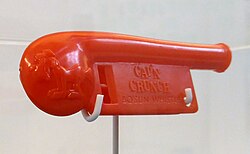
Later, John Draper discovered that a toy whistle found in Cap'n Crunch cereal boxes produced this exact 2600 Hz tone. This allowed phreaks to reset a line and use single-frequency (SF) controls to dial numbers by blowing the whistle in specific patterns.
Multi-Frequency (MF) Controls
While single frequencies worked on some routes, the long-distance network primarily used multi-frequency (MF) controls, colloquially known as "Marty Freeman." These frequencies remained secret until 1954, when the Bell System Technical Journal published them for engineers. This publication inadvertently provided the "keys to the kingdom," allowing electronics-savvy individuals to build devices that could manipulate the network.
The Tools and the Culture
Blue, Black, and Red Boxes
To automate the generation of these tones, phreaks built specialized hardware. The blue box was the most famous, used to mimic MF tones to gain control of the phone system and make free long-distance calls.
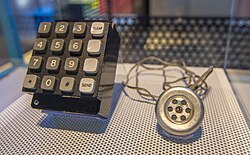
Other devices included black boxes and red boxes, each serving different purposes in exploring the network. The popularity of these devices peaked in 1971 after Esquire magazine published "Secrets of the Little Blue Box," which brought phreaking into the public eye and inspired future innovators like Steve Jobs and Steve Wozniak.
Publications and Communities
Phreaks shared their knowledge through newsletters and underground organizations. The Youth International Party Line (YIPL), started by Abbie Hoffman and Al Bell, provided instructions on how to "beat the man" via the telephone. This evolved into the Technological Assistance Program (TAP), a major global source of subversive technical information from 1973 to 1984.
| Method | Mechanism | Primary Use |
|---|---|---|
| Switch-Hooking | Rapidly clicking the hook switch | Bypassing key locks/rotary dialing |
| 2600 Hz Tone | Single frequency whistle/tone | Resetting lines for free calls |
| Blue Box | Multi-frequency (MF) tones | Network control and toll fraud |
| Tone Dialer | DTMF tones | Operating automated keypad services |
Frequently Asked Questions
What exactly is phone phreaking?
Phone phreaking is the act of exploring and manipulating the telephone network, often to understand its operation or to make free long-distance calls by mimicking the system's internal signaling tones.
Why was the 2600 Hz tone so important?
The 2600 Hz tone was an in-band signal used by AT&T switches to indicate that a line was idle. By playing this tone, a phreak could trick the switch into leaving the carrier line open, allowing them to route calls without being charged.
What is a blue box?
A blue box is an electronic device that generates multi-frequency (MF) tones. These tones allowed phreaks to access the internal controls of the telephone exchange and route calls across the network for free.
Was phone phreaking legal?
No. Using these techniques to evade long-distance charges is classified as toll fraud and is a criminal offense.
How did phreaking influence the computer industry?
Phreaking fostered a culture of technical curiosity and subversive exploration. Figures like Steve Jobs and Steve Wozniak were inspired by phreaking, and the mindset of exploring complex systems contributed to the early development of the personal computer industry.