
Possums in New Zealand: Agricultural and Ecological Impacts
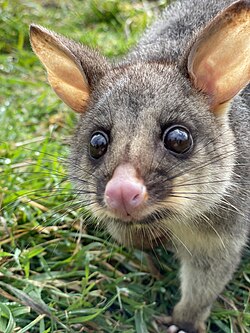
The introduction of possums to New Zealand has created significant challenges for both the nation's agricultural economy and its unique natural ecosystems. As an invasive species, possums act as both a biological threat to livestock and a destructive force within native forests, necessitating rigorous government intervention and long-term management strategies.
Agricultural Impacts and Bovine Tuberculosis
One of the most critical threats posed by possums is their role as vectors—organisms that transmit a pathogen from one host to another—for bovine tuberculosis (Mycobacterium bovis). This disease represents a major risk to the deer-farming, beef, and dairy industries.
Currently, approximately 38% of New Zealand is classified as "vector risk areas," where the disease is endemic among possum populations. In these regions, nearly 70% of new herd infections are traced back to ferrets or possums.
Legislative Control and Eradication Goals
To combat this threat, the New Zealand government utilizes the Biosecurity Act 1993, which provides the legal framework for a national pest-management strategy. The Animal Health Board manages a comprehensive program involving cattle testing and possum control. The current objective is to eradicate M. bovis from wild vector species across 2.5 million hectares—representing one quarter of the at-risk areas—by 2026, with the ultimate goal of total eradication.
Successes in Disease Reduction
The "bovine TB-free New Zealand" program is recognized globally for its effectiveness. By focusing on sustained possum control to break the disease cycle, the program reduced the number of infected cattle and deer herds from over 1,700 in 1994 to fewer than 100 by July 2011. A notable example occurred at Hohotaka in the central North Island, where a mean reduction of 87.5% in TB-infected possum density between 1988 and 1994 led to an 83.4% decline in local cattle herd TB incidence.
The danger of neglecting these controls was evident between 1979 and 1984, when a lack of funding halted possum control. During this period, the area containing TB-infected wild animals expanded from 10% to 40%, and the number of infected herds increased rapidly until 1994.
Control Methods
Authorities employ three primary methods to manage possum populations:
- Trapping: Physical capture of animals.
- Ground-baiting: The manual placement of poisoned baits.
- Aerial treatment: The use of sodium fluoroacetate (commonly known as 1080) in areas where ground access is impractical.
Ecological and Conservation Impacts
New Zealand's native vegetation evolved without mammalian omnivores, leaving it vulnerable to the introduction of possums. These animals selectively browse native plants, causing severe damage to broadleaved trees, particularly Metrosideros species such as the rātā.
This selective feeding leads to several cascading environmental issues:
- Canopy Collapse: Severe browsing can destroy the upper layers of the forest.
- Resource Competition: Possums compete directly with native forest birds for food.
- Biodiversity Loss: While southern beech (Nothofagus) is less affected, possums consume other species within these forests, reducing overall species diversity.
Beyond foliage, possums are opportunistic predators that eat the eggs and chicks of native birds. Because they prefer these high-protein sources over leaves, they are often described as "reluctant folivores"—animals that eat foliage to survive but prefer other food sources.
Key Facts
- Disease Vector: Possums transmit Mycobacterium bovis (bovine TB) to cattle and deer.
- Risk Areas: 38% of New Zealand is designated as a vector risk area.
- Herd Reduction: Infected herds dropped from >1,700 (1994) to <100 (2011).
- Target: Eradication of the disease from 2.5 million hectares of at-risk areas by 2026.
- Ecological Role: Described as "reluctant folivores" due to their preference for bird eggs and chicks over leaves.
- Forest Impact: Cause canopy collapse and reduced diversity in Nothofagus forests.
| Impact Category | Primary Effect | Key Detail/Metric |
|---|---|---|
| Agriculture | Bovine Tuberculosis Transmission | Up to 70% of new infections in risk areas |
| Forestry | Vegetation Damage | Canopy collapse in broadleaved trees (e.g., rātā) |
| Wildlife | Predation | Consumption of native bird eggs and chicks |
| Management | Population Control | Trapping, ground-baiting, and 1080 aerial drops |
Frequently Asked Questions
What is the role of possums in the spread of bovine TB?
Possums act as vectors for Mycobacterium bovis, meaning they carry and transmit the bacteria to livestock such as cattle and deer, particularly in designated vector risk areas.
How does the Biosecurity Act 1993 help control the disease?
The Act provides the legal framework for a national pest-management strategy, allowing the Animal Health Board to implement nationwide cattle testing and possum control programs.
Why are possums called "reluctant folivores"?
They are called reluctant folivores because, while they eat foliage to survive, they prefer more nutrient-dense foods, such as the eggs and chicks of native birds.
What happens to forests when possums are present?
Possums selectively browse native broadleaved trees, which can lead to the collapse of the forest canopy and a reduction in species diversity, even in southern beech forests.
What are the primary methods used to control possum populations?
Control is achieved through a combination of trapping, manual ground-baiting, and the aerial application of sodium fluoroacetate (1080) in difficult-to-reach terrain.