
Punta del Este: The Luxury Jewel of Uruguay's Atlantic Coast
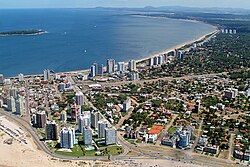
Perched on a scenic peninsula in the Maldonado Department of southeastern Uruguay, Punta del Este is far more than a seaside city. Known as the "Hamptons of South America" and the "Monaco of the South," this premier destination has evolved from a quiet town into a global magnet for the international jet set, celebrities, and luxury travelers. With its blend of high-end architecture, pristine beaches, and protected natural reserves, it stands as the "Pearl of the Atlantic."
Beyond the glamour, the city is a hub of international diplomacy and sport. It has hosted the Whitbread Around the World yacht races, the 1967 American Summit with U.S. President Lyndon Johnson, and the pivotal 1986 Uruguay Round of trade negotiations that eventually led to the creation of the World Trade Organization (WTO) in 1994.
Key Facts
- Location: Maldonado Department, southeastern Uruguay.
- Population: 18,193 (2023 Census), though this increases significantly during summer.
- Climate: Oceanic (Cfb), characterized by pleasant summers and cool winters.
- Nicknames: The Miami Beach of South America, The St. Tropez of South America.
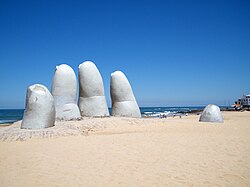
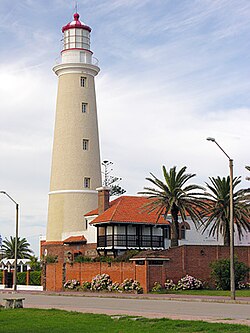
- Key Attractions: La Mano sculpture, Casapueblo, and the Punta del Este Lighthouse.
Geography and Climate
Punta del Este is strategically located at the intersection of Route 10 and Route 39, approximately 140 kilometers east of the capital, Montevideo. The city is defined by its unique peninsula geography, which creates a distinct divide in its coastline.
The local climate is classified as oceanic (Cfb), meaning it experiences mild temperatures year-round. The average yearly temperature is 16.4°C (61.5°F). February is typically the warmest month, averaging 21.7°C (71.1°F), while July is the coolest, with an average of 11.5°C (52.7°F). Precipitation is evenly distributed throughout the year, totaling approximately 1,010 mm (40 in) annually.
A History of Growth and Glamour
European presence in the area began with the Spaniards in the early 16th century, followed by Portuguese expansion in the late 18th century. The area's transformation into a lush landscape began in 1896 when Antonio Lussich established the Arboretum Lussich, a botanical garden featuring species from across the globe.
The settlement was officially declared a village (Pueblo) in 1907 and elevated to city (Ciudad) status in 1957. While the 1970s saw a temporary decline in tourism due to regional instability, the 1980s sparked a massive real estate boom. This era introduced the luxury apartment towers and high-end hotel complexes that define the skyline today.
The Coastline: Brava vs. Mansa
The city's shoreline is split into two distinct regions, separated by the point where the Río de la Plata meets the Atlantic Ocean.
- Playa Brava (Fierce Beach): Known for its white, fine sand and more turbulent waters. It is home to many of the city's most iconic landmarks.
- Playa Mansa (Tame Beach): Characterized by thick, golden sands and calmer waters, making it ideal for families and relaxation.
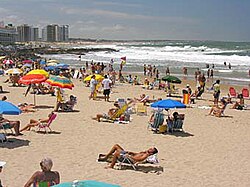
For those seeking a more vibrant atmosphere, La Barra is a hotspot for nautical sports, fishing, and a legendary nightlife scene that peaks between late December and mid-January. Other popular spots include Manantiales and Bikini beach, frequently visited by regional celebrities.
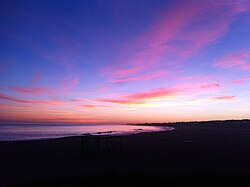
The waters surrounding the peninsula are also an ecological treasure. Southern right whales are re-colonizing the area, and the region has become a whale sanctuary. Notably, orcas have also been documented near Isla de Lobos.
Iconic Landmarks and Culture
Punta del Este seamlessly blends colonial charm with avant-garde modernism. The main commercial artery, Gorlero Avenue, is lined with cinemas, casinos, and high-end boutiques.
Architectural and Artistic Highlights
- La Mano: A giant sculpture of a hand emerging from the sand.
- Casapueblo: A stunning Santorini-style architectural complex.
- Fundación Pablo Atchugarry: An artistic institution featuring a 30-hectare sculpture park and a dialogue between art and nature.
- Punta del Este Lighthouse: A 45-meter tower with French crystal panels and a 150-step spiral staircase.
Natural Reserves
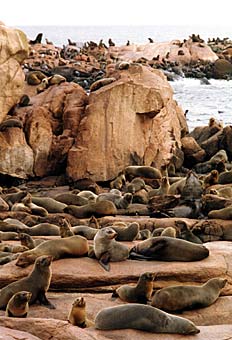
Nature lovers can visit Isla de Lobos (Isle of Wolves), famous for its sea lion colony, or Gorriti Island, a 21-hectare island offering natural ports and excellent water sports opportunities.
Entertainment and Infrastructure
The city is a hub for high-stakes entertainment, exemplified by Enjoy Punta del Este (formerly the Conrad Resort & Casino). Designed by Guillermo Gómez Platero, this massive complex is a center for luxury lodging and international poker tournaments.
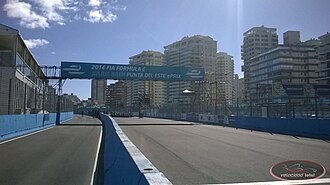
In the realm of sports, the city gained international fame for the Punta del Este ePrix, a Formula E street race that runs along the harbor, earning the city the nickname "Monte Carlo of South America."
Transportation
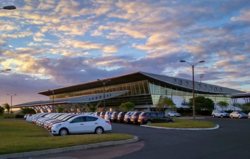
The city is served by the Capitán de Corbeta Carlos A. Curbelo International Airport, which opened in 1996. While it handles regional flights, many international travelers arrive via Montevideo's Carrasco International Airport and travel the 115 km to the coast via bus or private transport.
City Overview Summary
| Category | Details |
|---|---|
| Founded | 1860 |
| Area | 20.35 km² |
| Population (2023) | 18,193 |
| Climate Type | Oceanic (Cfb) |
| Main Airport | Capitán de Corbeta Carlos A. Curbelo |
| Key Industries | Tourism, Real Estate, Gastronomy |
Frequently Asked Questions
What is the difference between Playa Brava and Playa Mansa?
Playa Brava (Fierce Beach) has white, fine sand and rougher Atlantic waters, while Playa Mansa (Tame Beach) features golden sand and calmer waters, making it more suitable for swimming.
When is the best time to visit Punta del Este?
The summer season, from December through February, is the peak period when the population expands and the nightlife in areas like La Barra is most active.
What are the most famous landmarks in the city?
The most iconic landmarks include the La Mano sculpture, the Casapueblo complex, the Punta del Este Lighthouse, and the Enjoy Punta del Este hotel and casino.
Is Punta del Este a good place for nature lovers?
Yes, the region offers protected reserves such as Isla de Lobos for sea lion watching, Gorriti Island for water sports, and the Arboretum Lussich for botanical exploration.
How do I get to Punta del Este from Montevideo?
Visitors typically travel about 115-140 km from Montevideo via bus services (such as Copsa or Cot) or private taxi and remise services.