
Queen Margaret College: A Legacy of Scottish Heritage and Education
Queen Margaret College stands as a testament to architectural beauty and educational tradition. From its origins as a private estate to its current status as a prestigious institution, the college blends a rich Scottish identity with a commitment to academic excellence.
The Architectural Origins of the Campus
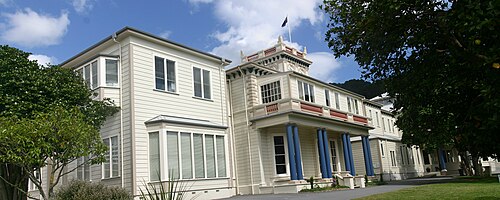
The college's site began as the private residence of Thomas Coldham Williams. The property featured an Italianate building—a style inspired by the 16th-century Italian Renaissance—designed by the architect Charles Tringham.
Following the death of Williams in 1912, the Presbyterian Church took over the lease of the property in 1915 to establish Scots College. However, by 1919, Scots College relocated to a larger site in Strathmore, paving the way for the founding of Queen Margaret College on the original grounds.
The original residence, now known as the Queen Margaret College Tower, remains a focal point of the campus. Due to its historical and architectural significance, it is registered as a category 2 building with Heritage New Zealand.
Royal Namesakes and Scottish Identity
The institution is named after Queen Margaret, the wife of King Malcolm. This royal connection extends into literary history, as King Malcolm is a character in Shakespeare's Macbeth, depicted as one of King Duncan's sons who flees following his father's murder.
This Scottish heritage is woven into the daily life of the students through the school's house system. Students are divided into five houses, each named after a historic Scottish castle:
- Berwick (Blue & Silver)
- Braemar (Blue & Yellow)
- Glamis (Red & Blue)
- Lochleven (Red, Green, and Black)
- Stirling (Black & Yellow)
Institutional Affiliations
Queen Margaret College maintains strong professional ties both locally and globally. It is a member of the Independent Schools of New Zealand and maintains active links with the international body of Margaret Schools.
Key Facts
- Original Architect: Charles Tringham.
- Heritage Status: The College Tower is a Heritage New Zealand category 2 building.
- Founding Transition: The site previously hosted Scots College from 1915 to 1919.
- House System: Five houses named after Scottish castles.
- Global Network: Affiliated with the international Margaret Schools.
| Category | Details |
|---|---|
| Original Owner | Thomas Coldham Williams |
| Architectural Style | Italianate |
| Established on Site | 1919 |
| Heritage Registration | Category 2 (Heritage New Zealand) |
| Affiliations | Independent Schools of New Zealand, Margaret Schools |
Frequently Asked Questions
Who was the original owner of the college site?
The site was originally a private residence owned by Thomas Coldham Williams.
What is the significance of the Queen Margaret College Tower?
The tower is the original Italianate building designed by Charles Tringham and is registered as a category 2 building with Heritage New Zealand.
How is the Scottish heritage reflected in the student body?
The school's five houses—Berwick, Braemar, Glamis, Lochleven, and Stirling—are named after castles in Scotland.
Which other school occupied the site before Queen Margaret College?
Scots College occupied the property from 1915 until 1919, when it moved to a larger site in Strathmore.
Who is the school's namesake?
The school is named after Queen Margaret, who was married to King Malcolm.