
Quilling: The Art and History of Paper Filigree
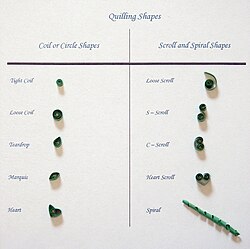
Quilling, also known as paper filigree, is the intricate art of rolling, shaping, and gluing thin strips of paper to create decorative designs. While it may seem like a simple hobby today, quilling has a rich history rooted in the desire to replicate expensive materials using accessible resources. By transforming humble paper into complex patterns, artists have spent centuries creating works that mimic the elegance of wrought iron and carved ivory.
The craft's name is derived from the use of quills—the hollow shafts of bird feathers—which were originally used as tools to coil the paper strips into tight circles and organic shapes.
The Origins of Quilling
The foundations of quilling can be traced back to the 12th through 16th centuries. During this period, French and Italian nuns utilized the torn, gilt-edged margins of Holy books. These strips of gold-edged paper were wrapped around goose quills to create coiled decorations for holy pictures and reliquaries. Once the shapes were formed, they were often painted or gilded to imitate the costly intricacies of ivory or metalwork.
The development of the craft accelerated in England around 1495 with the establishment of the first paper mills. The availability of manufactured paper allowed quilling to evolve from a niche monastic practice into a broader artistic endeavor, as gilded paper became a cost-effective substitute for expensive metals.
Quilling as a Status Symbol in Europe
During the Victorian and Edwardian eras, quilling became a hallmark of the upper class in Europe, particularly in England. It was taught to affluent young women alongside needlework as a way to spend leisure time and demonstrate their refinement. Because these women were spared from domestic chores and gainful employment, quilling served as a visible signal of wealth and social standing to prospective husbands.
The quality of work during this period reached an exceptionally high standard. To accommodate these intricate designs, specialized items were manufactured with recessed surfaces specifically for quilling. These included:
- Tea caddies and work baskets
- Portraits and screens
- Furniture sides and cabinets
- Cribbage boards and wine coasters
Wealthy practitioners used luxurious backgrounds such as mica, foil, or flaked shell, and often finished their pieces with painting or gilding. The popularity of the craft was documented in publications like The New Lady's Magazine (1786), which described it as an "innocent recreation" for the female mind.
Decline and Modern Revival
While quilling flourished during the Regency period of the early 1810s, its popularity eventually waned. It saw a brief reintroduction in 1875 when William Bemrose released the "Mosaicon" kit, which included a handbook on the craft. However, by the early 20th century, quilling had largely transitioned from a high-society pastime to a component of school craft education.
The late 20th century sparked a significant revival. In the 1970s and 1980s, the craft grew in popularity in America, supported by the American Quilling Guild and various exhibitions, such as the 1988 show at the Florian-Papp Gallery in New York. Today, the Quilling Guild of England remains a prominent organization, promoting both classic and modern styles across Europe and Australia.
Quilling in Literature and Art
The social perception of quilling is captured in Jane Austen's Sense and Sensibility. In the novel, the character Lucy Steele creates a filigree work basket to impress Lady Middleton. However, Austen uses this example to critique the craft's impracticality, depicting the basket as a waste of time and money due to its extreme fragility.
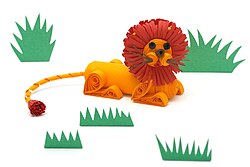
Despite this critique, the versatility of the medium has allowed it to evolve. Modern quilling is used for everything from wedding invitations and greeting cards to high-end art gallery pieces and lightweight fashion jewelry.
Key Facts
- Etymology: Named after the goose quills used to roll the paper.
- Early Use: Practiced by 12th-century French and Italian nuns using gilt-edged book pages.
- Social Role: Used by Victorian and Edwardian women to signal wealth and leisure.
- Materials: Historically paired with foil, mica, and flaked shell backgrounds.
- Modern Applications: Now used in jewelry, scrapbooking, and professional art galleries.
| Period | Primary Users | Common Applications | Purpose |
|---|---|---|---|
| 12th - 16th Century | French & Italian Nuns | Reliquaries, Holy pictures | Religious decoration |
| Victorian/Edwardian | Upper-class women | Tea caddies, Furniture, Baskets | Status symbol & leisure |
| Early 20th Century | Students | School projects | Craft education |
| Modern Era | Global artists/hobbyists | Jewelry, Cards, Gallery art | Artistic expression |
Frequently Asked Questions
What is quilling?
Quilling is a decorative art form that involves rolling, shaping, and gluing thin strips of paper to create intricate, filigree-like designs.
Why is it called quilling?
The name comes from the original tools used to coil the paper: the hollow quills of birds, such as geese.
Was quilling always a hobby for everyone?
No. In the Victorian and Edwardian eras, it was primarily a pastime for wealthy women who had the leisure time and funds for expensive supplies like foil and mica.
What items were traditionally decorated with quilling?
Common items included tea caddies, work baskets, wine coasters, cribbage boards, and even recessed panels in furniture.
How is quilling used today?
Modern quilling is used for greeting cards, wedding invitations, scrapbooking, and contemporary jewelry, as well as professional art installations in galleries.