
Rear-Admiral of the Blue: The Evolution of Royal Navy Rank
The structure of the Royal Navy's leadership is rooted in a centuries-old system of organization designed to manage vast fleets across the open seas. One of the most distinctive elements of this history is the use of squadron colours, a system that not only organized ships but defined the very ranks of the officers who commanded them.
The Origins of Squadron Colours
The practice of using squadron colours began during the reign of Elizabeth I (1558-1603). To better manage the English fleet, the Tudor navy subdivided its forces into three distinct squadrons. Each squadron was identified by a specific coloured flag, which served as a visual marker for command and control during naval engagements.
This organizational need led to the creation of three classes of admirals, each differentiated by the colour of their flag. By 1620, this system evolved into the official flag ranks we recognize today: Admiral, Vice Admiral, and Rear Admiral.
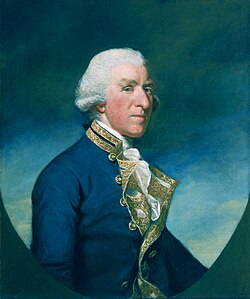
The Hierarchy of the Royal Navy
As the navy expanded, the rank structure became more formalized. In 1688, the rank of Admiral of the Fleet was formally established as the highest position in the naval hierarchy. Below this, the various admiral ranks were further divided by their squadron colours (Red, White, and Blue), creating a strict order of precedence.
The Rear-Admiral of the Blue was a senior rank within this system. In the naval hierarchy, this position was immediately outranked by the Rear-Admiral of the White. While modern terminology often groups commodores, rear admirals, vice admirals, and admirals of the fleet under the generic term "admirals," the historical distinctions were far more rigid.
Changes in Precedence and Abolition
The standing of the Rear-Admiral of the Blue shifted over time. From 1688 until 1805, the rank held the ninth position in the order of precedence. Following 1805, it dropped to the tenth position. Eventually, the system of using colours for promotion was phased out, and the rank was abolished as a promotional rank in 1864.
Key Facts
- Origin: Squadron colours were introduced under Elizabeth I to divide the fleet into three parts.
- Rank Creation: The official ranks of Admiral, Vice Admiral, and Rear Admiral were established in 1620.
- Highest Rank: The Admiral of the Fleet rank was formally created in 1688.
- Precedence: The Rear-Admiral of the Blue was ranked 9th (1688-1805) and then 10th (after 1805).
- Abolition: The rank ceased to be a promotional rank in 1864.
| Year/Period | Development | Significance |
|---|---|---|
| 1558-1603 | Introduction of squadron colours | Fleet divided into three squadrons |
| 1620 | Official Flag ranks established | Creation of Admiral, Vice Admiral, and Rear Admiral |
| 1688 | Admiral of the Fleet created | Formalization of the highest naval rank |
| 1864 | Rank abolition | Rear-Admiral of the Blue removed as a promotional rank |
Frequently Asked Questions
What were squadron colours?
Squadron colours were coloured flags used by the Tudor navy to subdivide the English fleet into three separate squadrons for better organization and command.
Who outranked the Rear-Admiral of the Blue?
The Rear-Admiral of the Blue was immediately outranked by the Rear-Admiral of the White.
When was the rank of Admiral of the Fleet created?
The rank of Admiral of the Fleet was formally created in 1688.
How did the precedence of the Rear-Admiral of the Blue change over time?
Between 1688 and 1805, the rank was ninth in the order of precedence; after 1805, it became the tenth.
When was the Rear-Admiral of the Blue abolished?
It was abolished as a promotional rank in 1864.