
Rockers and the Ton-Up Boys: The Legacy of British Café Racer Culture
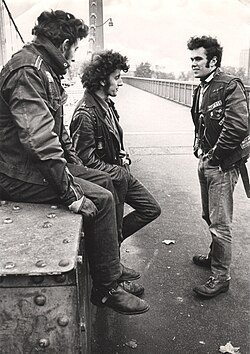
Emerging from the United Kingdom in the late 1950s, the Rockers—also known as leather boys—represented a defiant youth subculture that fused a passion for rock and roll with a love for high-speed motorcycling. For these young men, the motorcycle was more than just a means of transport; it was a symbol of rebellion, masculinity, and a rejection of mainstream societal norms.
Those who pushed their machines to the limit were famously called ton-up boys, a nickname derived from the English slang "doing a ton," which meant reaching a speed of 100 mph. While the term "greaser" later became synonymous with rockers in the British Isles by 1965, the movement remained a distinct phenomenon of post-war Britain, mirrored in Japan by the kaminari-zoku (thunder tribe).
Key Facts
- Origin: Late 1950s United Kingdom, primarily among working-class youth.
- The "Ton": The goal of reaching 100 mph (160 km/h) gave rise to the term "ton-up boys."
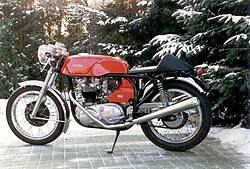
- Defining Bike: The Triton, a hybrid of a Norton Featherbed frame and a Triumph Bonneville engine.
- Fashion: Characterized by leather jackets, pompadour hairstyles held by Brylcreem, and white silk scarves.
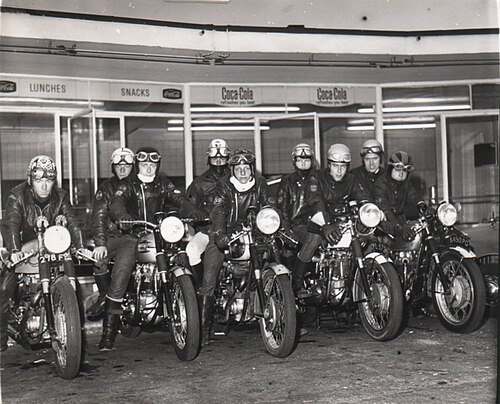
- Social Hubs: Transport cafés, such as the legendary Ace Cafe, served as meeting points and race starts.
The Origins of a Rebellion
Before the post-war era, motorcycling in Britain was associated with wealth and glamour. However, by the 1950s, the rise of inexpensive motorcars shifted motorcycles toward the working class. Several socio-economic factors converged to create the rocker subculture: the end of rationing, increased prosperity for youth, the availability of credit, and the influence of American films and rock and roll music.
The construction of arterial roads around cities provided the perfect environment for high-speed riding. As these youths dropped out of mainstream society, the media responded with a "moral panic," portraying them as "folk devils" or loutish "coffee bar cowboys." This exaggerated image further cemented their status as outsiders.
The Art of the Café Racer
The café racer was a motorcycle modified specifically for speed and handling, sacrificing comfort for performance. These bikes were often stripped of unnecessary weight to make them lean and agile.
Technical Modifications
- Handlebars: Low-slung "ace bars" or clip-ons mounted to the forks for better aerodynamics.
- Seating: A single racing seat to reduce weight.
- Fuel Tanks: Large, often polished aluminum tanks.
- Ergonomics: Rear-set footpegs to provide better clearance during high-speed cornering.
- Exhausts: Swept-back pipes, often in a megaphone style.
The most iconic machine of the era was the Triton, which combined the superior handling of the Norton Featherbed frame with the power of a Triumph twin-cylinder engine. Other favored brands included BSA, Royal Enfield, and Matchless.
Style and Characteristics
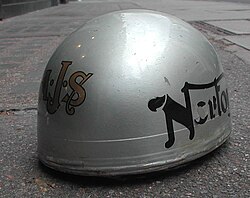
Rocker fashion was born from practicality but evolved into a statement of identity. The centerpiece was the heavily decorated leather motorcycle jacket, often adorned with studs, patches, and pin badges. To protect themselves from the wind, they wore aviator goggles and white silk scarves, often eschewing helmets or using classic open-face versions.
Footwear typically consisted of tall motorcycle boots (such as those by Goldtop or Lewis Leathers) or "brothel creepers." Their hair was styled into pompadours using Brylcreem, mimicking the American rock and roll stars of the time, such as Gene Vincent and Chuck Berry.
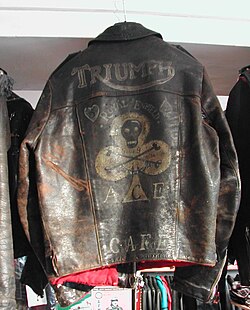
Beyond fashion, the subculture had a strict internal code. Many original rockers strongly opposed the use of recreational drugs, viewing amphetamines and cannabis with hatred and regarding those who used them—including members of the rival Mod subculture—as "sissies."
Cultural Legacy and Revivals
The rocker aesthetic left a permanent mark on global pop culture. From the early influence on The Beatles to the hard rock and punk movements of the 1970s, the "leather boy" look persisted. Even George Michael adopted the style during his 1987-88 "Faith" era, wearing a BSA logo jacket and Levi's.
While the scene fractured in the 1970s due to the influence of California's hippie and Hells Angels cultures, a revival began in the 1980s. Led by Lenny Paterson, original rockers began organizing "piss-ups" (reunion dances) and motorcycle runs to historic sites like Battersea and Brighton.
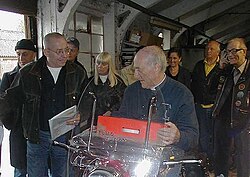
The 1994 reopening of the Ace Cafe sparked a massive resurgence, with modern reunions now attracting up to 40,000 motorcyclists who celebrate the vintage British, Italian, and Japanese bikes of the mid-century.
| Category | Key Elements |
|---|---|
| Primary Goal | "Doing a ton" (reaching 100 mph) |
| Iconic Bike | Triton (Norton frame + Triumph engine) |
| Essential Gear | Leather jackets, white silk scarves, engineer boots |
| Music | 1950s American Rock and Roll |
| Key Hubs | Transport Cafés (e.g., Ace Cafe) |
Frequently Asked Questions
What is the difference between a Rocker and a Ton-Up Boy?
While the terms are often used interchangeably, "ton-up boy" specifically referred to those who achieved the speed of 100 mph, whereas "rocker" became the more general term for the subculture associated with rock and roll and leather fashion.
What exactly is a Triton motorcycle?
A Triton is a custom-built hybrid motorcycle that combines a Triumph engine (known for its speed) with a Norton Featherbed frame (known for its superior handling), creating the ultimate café racer of the era.
What was the 59 Club?
The 59 Club began as a church-based youth organization in England before evolving into a worldwide motorcycle club that remains a central part of rocker heritage.
How did the media portray the Rockers?
The mass media often created a "moral panic," depicting rockers as "folk devils" or loutish outsiders, which exaggerated their rebellious nature and damaged the public image of motorcycling in the UK.
Are there still Rockers today?
Yes, the subculture persists through the "modern café racer" scene and organized reunions, such as those at the Ace Cafe, though modern riders often blend the original style with more contemporary comfort and a wider variety of European and Japanese motorcycles.