
Ruakuri Cave: A Natural Wonder of Waitomo
Located in the heart of the Waitomo region of New Zealand, Ruakuri Cave stands as one of the longest and most spiritually significant cave systems in the area. Known for its breathtaking subterranean landscapes and deep cultural roots, it offers a unique glimpse into both the geological history of the earth and the heritage of the local Māori people.
Key Facts
- Location: Waitomo, New Zealand (38°15′50″S 174°59′40″E).
- Cultural Significance: First discovered by Māori 400 to 500 years ago.
- Accessibility: The only wheelchair-accessible cave in the Southern Hemisphere.
- Key Features: Home to glowworms, underground rivers, and hidden waterfalls.
- Ownership: Primarily privately owned.
Cultural Heritage and the "Den of Dogs"
The cave is known to the local hapū (sub-tribe) as Te Ruakuri, which translates to "The Den of Dogs." This name originated when wild dogs were discovered inhabiting the cave's entrance centuries ago. For the Māori, the site holds deep spiritual importance.
Historically, one of the cave's entrances served as an urupā, a traditional burial site. Because this area is considered tapu (sacred), it is strictly off-limits to tourists to maintain its sanctity. To allow visitors to experience the cave without disturbing the sacred grounds, a separate spiral drum entrance was constructed and opened for tours in 2005.
Geological Marvels and Natural Features
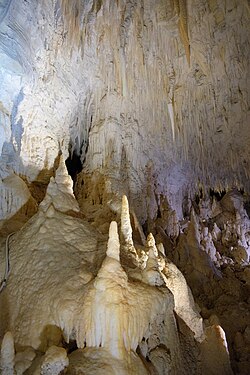
Ruakuri Cave is renowned for its stunning limestone formations—mineral deposits created over millennia as water filtered through the rock. The interior is a dynamic ecosystem featuring underground rivers, hidden waterfalls, and the ethereal light of glowworms.
Several distinct areas within the cave are highlights for visitors, including:
- Holdens Cavern: Named after James Holden, the man responsible for first opening the cave to the public.
- The Drum Passage: A striking section of the cave system.
- The Pretties: An area noted for its aesthetic limestone beauty.
- The Ghost Passage: A hauntingly beautiful corridor of the cave.
A History of Public Access
The cave first welcomed the public in 1904, establishing itself as a point of interest in the Waitomo region. However, this accessibility was interrupted in 1988 when the cave was closed due to a financial and legal dispute. After a period of closure, the site was reopened in 2005, coinciding with the creation of the new spiral entrance.
| Feature | Detail |
|---|---|
| Region | Waitomo, New Zealand |
| Discovery | Māori (400-500 years ago) |
| Accessibility | Wheelchair accessible |
| Public Access Periods | 1904–1988; 2005–Present |
| Notable Landmarks | Holdens Cavern, The Drum Passage, The Pretties, The Ghost Passage |
Frequently Asked Questions
What does the name Ruakuri mean?
The name Te Ruakuri means "The Den of Dogs," referring to the wild dogs that were once found living at the cave's entrance.
Is Ruakuri Cave accessible for people with disabilities?
Yes, Ruakuri Cave is the only cave in the Southern Hemisphere that is wheelchair-accessible.
Why is part of the cave closed to the public?
One of the entrances was used as an urupā (burial site) and is considered tapu (sacred), meaning it is no longer used for tourism to respect Māori traditions.
Who first opened the cave to the public?
James Holden first opened the cave to the public, and the area known as Holdens Cavern is named in his honor.
What can visitors see inside the cave?
Visitors can experience glowworms, limestone formations, underground rivers, and hidden waterfalls.