
Rushden: A History of Industry, Literature, and Heritage
The town of Rushden, whose name originates from the Old English riscendenu (meaning 'rushy valley'), is a settlement defined by its industrial evolution and cultural contributions. From its roots in farming and lacemaking to its global reputation for footwear, Rushden has transformed from a small village into a bustling town while preserving its unique historical character.
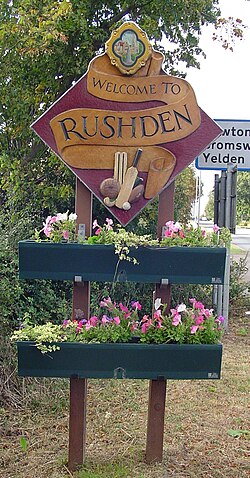
The Rise and Evolution of Industry
Rushden's growth was primarily driven by the boot and shoe industry. By the mid-1900s, the town was a manufacturing powerhouse with over 100 boot and shoe factories. While the industry has contracted significantly, leaving only four shoemaking companies today, the legacy of craftsmanship remains. One of the most prominent survivors is Sanders and Sanders, a firm renowned for producing boots for the British Army and various international defense departments.
As the industrial landscape shifted, many redundant factories were converted into residential flats. Modern industry in Rushden is now more diversified and is largely concentrated in out-of-town industrial estates. This shift is mirrored in the town center, where shopping habits have evolved, though the area still hosts many shops, including the oldest toy shop in the county.
Literary Connections and Cultural Legacy
The town served as a profound inspiration for the novelist and short story writer H. E. Bates. Growing up in Rushden, Bates used the town as the basis for many of his works, most notably in "Love for Lydia," where he renamed the town "Evensford."
Through his writing, Bates captured the vanishing ways of life of countryfolk in stories such as "The Watercress Girl," "The Mower," "The Cowslip Field," and "Great Uncle Crow." He vividly described the sensory experience of the town between the 1910s and 1940s, specifically noting how the air was often permeated with the smell of leather and processing agents from the local factories.
Landmarks and Local Heritage
Rushden is home to several sites of historical significance. Rushden Hall stands as the town's oldest domestic building. Once owned by families such as the Pembertons and the Sartoris, it now serves as the head office for the town council. The hall is situated within 32 acres (13 ha) of land that has been preserved as the public Hall Park.
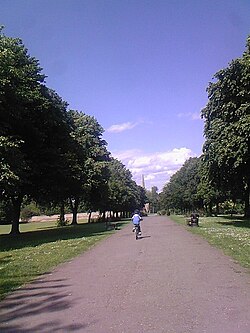
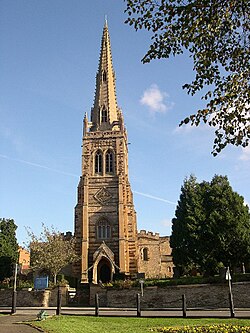
Within Hall Park, visitors can find a privately owned museum that opens seasonally from May to October. Another spiritual and architectural landmark is St Mary's Church, which remains a central feature of the town's skyline.
Transport and Infrastructure
In 1893, a short branch line railway was established to link Rushden and Higham Ferrers with the Midland Main Line. Although the line closed and was dismantled in 1959, its legacy persists. In 1991, the trackbed was converted into a pocket park. The former railway station is now managed by the Rushden Historical Transport Society, which operates a museum and a real ale bar. The society is known for its annual three-day transport cavalcade and maintains an ambition to rebuild the branch line from Higham Ferrers to Wellingborough.
Key Facts
- Etymology: Derived from Old English for 'rushy valley'.
- Industrial Peak: Once boasted over 100 boot and shoe factories.
- Literary Alias: Referred to as "Evensford" in the works of H. E. Bates.
- Oldest Building: Rushden Hall, now the town council's head office.
- Transport Heritage: The former railway station now houses a museum and real ale bar.
- Pop Culture: The 1970s ITV police drama Hunters Walk was filmed in the town and surrounding villages.
Population Growth of Rushden
| Year | Population | Growth (%) |
|---|---|---|
| 1831 | 1,245 | — |
| 1851 | 1,460 | +17.3% |
| 1881 | 3,657 | +72.3% |
| 1901 | 12,453 | +67.3% |
| 1951 | 16,370 | +14.9% |
| 2011 | 29,272 | +13.2% |
Frequently Asked Questions
What is the origin of the name Rushden?
The name comes from the Old English word riscendenu, which translates to 'rushy valley'.
Which famous author was associated with Rushden?
H. E. Bates grew up in Rushden and used it as the inspiration for the fictional town of Evensford in his stories, including "Love for Lydia".
What happened to the Rushden railway line?
The branch line that opened in 1893 was closed and dismantled in 1959. Part of the trackbed was later converted into a pocket park in 1991.
What is the significance of Sanders and Sanders?
They are one of the few remaining shoemaking companies in Rushden and are well-known for producing boots for the British Army and other global defense departments.
What is Rushden Hall used for today?
Rushden Hall, the town's oldest domestic building, currently serves as the head office for the town council, with some rooms available for public hire.