
Santa Fe de la Vera Cruz
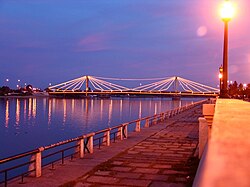
Santa Fe de la Vera Cruz, commonly known simply as Santa Fe, serves as the capital of the Santa Fe Province in north-eastern Argentina. Strategically positioned near the junction of the Paraná and Salado rivers, the city is a vital hub of culture, politics, and commerce. With a metropolitan population of 653,073 according to the 2018 census, it stands as the eighth largest metropolitan area in the country.
The city is well-connected to other major Argentine hubs. It lies just 15 kilometers from the Hernandarias Subfluvial Tunnel, which links it to the city of Paraná. To the south, the Brigadier Estanislao López Highway and National Route 11 connect Santa Fe to Rosario, while National Route 19 provides a direct path west to Córdoba. Air travel is facilitated by the Sauce Viejo Airport, offering daily flights to Rosario and Buenos Aires.
Key Facts
- Founded: 1573 by conquistador Juan de Garay.
- Location: North-eastern Argentina, near the Paraná and Salado rivers.
- Population: 423,212 (Urban), 653,073 (Metro) per 2018 census.
- Climate: Humid subtropical with hot, humid summers and mild winters.
- Significance: Site of multiple Argentine Constitutional Conventions.
History and Evolution
The city was originally founded in 1573 at Cayastá by Juan de Garay during an expedition from Asunción. However, persistent flooding of the Cayastá River forced the settlement to move to its current location in 1653. Today, Cayastá remains a historical park and the final resting place of Hernandarias, the first American-born governor in South America.
Santa Fe's political importance grew significantly over the centuries. It became the provincial capital in 1814 after separating from the province of Buenos Aires. Because of its historical role in the creation of the Argentine Constitution, the city was chosen as the site for National Constitutional Conventions in 1853, 1949, 1957, and 1994.
Economically, the city evolved into a commercial center for a fertile agricultural region specializing in meats, vegetable oils, and grains. This heritage is still visible today; in 2008, the city's historic grain silos were repurposed into the Los Silos Hotel and Casino.
Climate and Geography
Santa Fe experiences a humid subtropical climate (classified as Cfa under the Köppen system). This means the region typically sees rainfall throughout the year, with summer being the wettest season. While winters are generally mild, temperatures can occasionally drop below 0°C.
Summers are characterized by intense heat and humidity, with temperatures sometimes exceeding 45°C during extreme heat waves. The city is also prone to severe thunderstorms featuring powerful downdraughts and frequent lightning. A notable catastrophic flood occurred on April 29, 2003, when the Salado River rose nearly 2 meters in a few hours, forcing the evacuation of 100,000 people.
| Metric | Winter (July) | Summer (January) | Annual Average/Record |
|---|---|---|---|
| Mean Daily Max Temp | 17.5°C (63.5°F) | 31.5°C (88.7°F) | Annual Mean Max: 24.8°C |
| Mean Daily Min Temp | 6.7°C (44.1°F) | 20.1°C (68.2°F) | Annual Mean Min: 13.7°C |
| Average Precipitation | 25.4 mm (1.00 in) | 98.7 mm (3.89 in) | Total: 1,075.8 mm |
| Temperature Extremes | Record Low: -7.0°C | Record High: 45.6°C | Range: -7.0°C to 45.6°C |
Urban Infrastructure and Transport
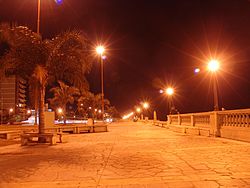
The city has invested in tourism infrastructure, including riverside bars, nightclubs, and high-end restaurants. A significant urban improvement was the conversion of San Martín Street into a pedestrian-only zone.
Railway History
Despite a rich railway history with four distinct stations, Santa Fe currently has no active rail passenger service. The Mitre station closed in 2007, while the Belgrano and Guadalupe stations ceased long-distance operations in 1993 during national privatization. The oldest station, built by a French company in 1885, was demolished in 1962 to make way for the current bus station. Today, the Santa Fe Belgrano station serves as a convention center.
Sports and Culture
Santa Fe is a prominent sports city, having hosted the 1990 FIBA World Championship and the 2002 FIVB Men's Volleyball World Championship. It also hosted the inaugural Five-pin billiards World Championship in 1965. Football is a central part of local identity, with two first-division teams, Club Atlético Colón and Club Atlético Unión, competing in the intense Santa Fe derby.
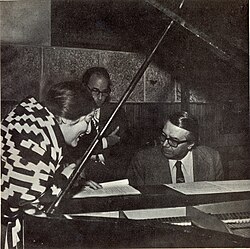
The city has produced numerous notable figures across various fields, including composer Ariel Ramírez, writer Liliana Bodoc, and Formula One driver and former governor Carlos Reutemann.
Frequently Asked Questions
Why was the city of Santa Fe moved from Cayastá?
The settlement was moved from its original site in Cayastá to its current location in 1653 because of constant flooding from the Cayastá River.
What is the significance of Santa Fe in Argentine politics?
Santa Fe has played a crucial role in the nation's legal foundation, serving as the site for the National Constituent Assembly in 1853 and subsequent Constitutional Conventions in 1949, 1957, and 1994.
Does Santa Fe have an active train system?
No, the city is not currently served by rail transport. Most of its historic stations have either been closed, demolished, or repurposed as convention centers and bus terminals.
What are the main economic drivers of the region?
The city serves as a commercial and transportation hub for a rich agricultural hinterland that produces meats, vegetable oils, and grains.
What is the weather like in Santa Fe?
The city has a humid subtropical climate with hot, humid summers (sometimes exceeding 45°C) and mild winters, with rainfall occurring throughout the year.