
Sheet Music Sales: The Evolution of Music Publishing History
Long before the era of streaming and digital downloads, the success of a song was measured by the sale of its sheet music—the printed musical notation that allowed people to perform songs in their own homes. In the early days of music publishing, reaching a million copies in print was a monumental achievement, marking the transition of music from a niche art to a mass-market commodity.
The Rise of the American Popular Song
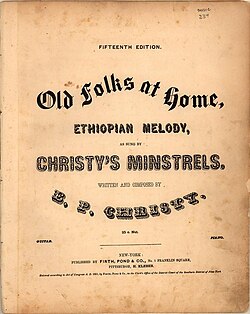
In the mid-19th century, the American music market was modest. Before the release of "Oh! Susanna" in 1848, no American song had ever surpassed five thousand copies in sheet music sales. The landscape shifted dramatically with Stephen Foster; by 1852, his composition "Massa's in the Cold Ground" had sold 75,000 copies. At the time, this was considered phenomenal because publishers did not yet employ active promotion strategies.
The industry evolved further in 1876 with "My Grandfather's Clock," which became the first song to achieve popularity through a coordinated national advertising campaign. This shift, combined with the mass production of pianos in the late 19th century, created a surge in demand for printed music.
The Tin Pan Alley Era
Toward the end of the century, the industry entered the Tin Pan Alley era, named after the district in New York City where dozens and even hundreds of publishing companies operated. While this era saw explosive growth, it also faced challenges from the widespread sale of lead sheets (simplified musical notation) and pirated reprints.
The Golden Age of Million-Sellers
Identifying the first song to sell one million copies is difficult due to varying reports. Candidates include "When This Cruel War Is Over" (1863), "Funiculì, Funiculà" (1880), and "After the Ball" (by 1892 or 1893). However, the period between 1900 and 1910 marked a true peak, with over one hundred songs surpassing the million-copy milestone, and some "hit songs" reaching two or three million copies.
| Song Title | Approximate Date/Era | Significance |
|---|---|---|
| Oh! Susanna | 1848 | Early benchmark for US sales |
| Massa's in the Cold Ground | 1852 | Sold 75,000 copies (phenomenal for the time) |
| My Grandfather's Clock | 1876 | First song promoted via national advertising |
| (How Much Is) That Doggie in the Window? | 1953 | Believed to be the last million-seller of its era |
| Stairway to Heaven | 1971 | Best-selling rock sheet music (1M+ copies) |
The Decline of Print and the Digital Shift
The rise of radio broadcasting began to erode the necessity of owning sheet music. Following World War II in the 1940s, print figures never fully recovered. By the 1950s, annual sales for sheet music averaged around 300,000. The decline was so steep that by 1966, the United States House Committee on the Judiciary noted that selling 100,000 copies of a single title was considered "rare." Musicologist Barry Kernfeld observed that by the 1950s, the million-selling title had effectively become a thing of the past.
Modern Eras: Albums and Downloads
Despite the general decline, certain landmarks remained. In the album era, Led Zeppelin's "Stairway to Heaven" (1971) became the biggest-selling piece of rock sheet music, exceeding one million copies and reaching a peak sales rate of 15,000 units per year. In the digital era, the focus shifted to downloads. On the platform Musicnotes, "My Immortal" became an early leader in digital sales with over 8,350 copies by June 2004, surpassing "A Thousand Miles" and its 7,137 sales.
Key Facts
- Early Benchmarks: Before 1848, no American song sold more than 5,000 copies.
- Advertising Impact: "My Grandfather's Clock" (1876) pioneered the use of national advertising.
- Peak Volume: Between 1900 and 1910, over 100 songs sold more than one million copies.
- Technological Influence: Piano mass production boosted sales, while radio broadcasting contributed to their decline.
- Rock Milestone: "Stairway to Heaven" is the top-selling rock sheet music title with over one million copies.
Frequently Asked Questions
Which song was the first to use a national advertising campaign?
"My Grandfather's Clock," released in 1876, was the first song to become popular through a national advertising campaign.
How did the piano industry affect sheet music?
The mass production of pianos in the late 19th century increased the number of people capable of playing music at home, which significantly boosted the sales of sheet music.
Why did sheet music sales decline after the 1940s?
The advent of radio broadcasting reduced the demand for printed music, and sales failed to make a significant recovery after World War II.
What is the best-selling rock song in terms of sheet music?
Led Zeppelin's "Stairway to Heaven" (1971) is the biggest-selling piece of sheet music in rock history, with over one million copies sold.
Which song was an early success in digital sheet music downloads?
"My Immortal" was an early leader in digital downloads, recording over 8,350 copies on Musicnotes as of June 2004.