
Shetland Churches: A History of Faith and Community
The islands of Shetland, Scotland, possess a rich ecclesiastical heritage that reflects both the geography of the archipelago and the spiritual evolution of its people. From the early establishment of civil parishes to the arrival of various denominations, the landscape of faith in Shetland is one of diversity and enduring community spirit.
The Reformation and Religious Harmony
A pivotal moment in the islands' spiritual history occurred in 1560, when the Reformation—the 16th-century movement for the reform of the Catholic Church—reached Shetland. Unlike many other regions during this era, the transition in Shetland appears to have been peaceful. Historical records show very little evidence of religious intolerance, paving the way for a variety of different religious denominations to establish a presence across the islands.
The Civil Parish System
To manage the spiritual and administrative needs of the population, the islands were originally divided into 12 civil parishes. These parishes served as the primary organizational units for local governance and church administration.
- Bressay
- Delting
- Dunrossness
- Fetlar
- Lerwick
- Nesting
- Northmaven
- Sandsting
- Tingwall
- Unst
- Walls and Sandness
- Yell
Notable Church Buildings
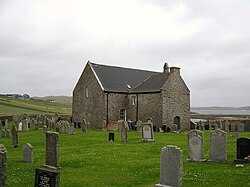
Shetland is home to several significant church structures that serve as landmarks for their respective communities. One such example is the Whalsay Kirk, which stands as a testament to the local faith of the Whalsay community.
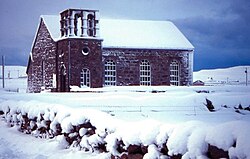
Further north, the Haroldswick Methodist Church holds a unique geographical distinction as the most northerly church building in the United Kingdom.
![Haroldswick Methodist Church, the most northerly church building in the UK[1]](/images/bd/44/bd44790d3a8278fc586fd4f5ed1f3df9825fad28e91ba749dfbb1ba24aa74ae1.jpg)
In the west, St John's Church in Baltasound continues to serve as a central point of worship and gathering for the local population.
Key Facts
- The Reformation arrived in Shetland in 1560.
- The transition to Reformed Christianity was notably peaceful with little recorded intolerance.
- Shetland was originally organized into 12 distinct civil parishes.
- Haroldswick Methodist Church is the northernmost church building in the UK.
Summary of Shetland's Ecclesiastical Structure
| Category | Details |
|---|---|
| Reformation Date | 1560 |
| Number of Original Parishes | 12 |
| Notable Landmark | Haroldswick Methodist Church (Most Northerly in UK) |
| Religious Climate | Historically peaceful and diverse |
Frequently Asked Questions
When did the Reformation reach Shetland?
The Reformation reached the islands of Shetland in 1560.
Was the transition to the Reformation violent in Shetland?
No, the transition was apparently peaceful, and there is very little evidence of religious intolerance in the recorded history of the islands.
How many civil parishes were originally in Shetland?
There were originally 12 civil parishes: Bressay, Delting, Dunrossness, Fetlar, Lerwick, Nesting, Northmaven, Sandsting, Tingwall, Unst, Walls and Sandness, and Yell.
Which church is the most northerly in the UK?
The Haroldswick Methodist Church is recognized as the most northerly church building in the United Kingdom.
What is the religious diversity like in Shetland?
Shetland is represented by a variety of different religious denominations, reflecting a history of peaceful coexistence.