
Sir Francis Burdett: The Radical Reformer of the British Parliament
Sir Francis Burdett was a towering figure of early 19th-century British politics, known for his fierce advocacy of popular rights and his willingness to challenge the establishment. Inheriting the family seat of Foremarke Hall and the hamlets of Ingleby and Foremark, Burdett transitioned from a landed gentleman to the "idol of the people" through his relentless pursuit of democratic reform.
Key Facts
- Primary Focus: Advocated for parliamentary reform, universal male suffrage, and the removal of Roman Catholic disabilities.
- Notable Conflict: Imprisoned in the Tower of London for libelling the House of Commons.
- Political Evolution: Began as a radical opponent of William Pitt the Younger and ended his career aligned with the Conservatives.
- Legal Battles: Fined £1,000 and imprisoned for seditious libel following his criticism of the Peterloo Massacre.
Opposition to War and Political Prosecution
Early in his parliamentary career, Burdett established himself as a prominent opponent of William Pitt the Younger. He became a vocal critic of the war with France and the suspension of the Habeas Corpus Act—the legal instrument that protects individuals from unlawful and indefinite imprisonment.
Burdett's commitment to civil liberties was further evidenced by his mentorship under John Horne Tooke, from whom he studied both politics and philology (the study of language in oral and written records). In 1798, alongside John Courtney MP, Burdett supported Catherine Despard in protesting the conditions of political radicals, including her husband Colonel Edward Despard, at Coldbath Fields Prison. While his efforts secured a parliamentary inquiry, they also led the government to temporarily ban him from visiting any prison in the kingdom.
Burdett's radical sympathies extended internationally; in 1802, he traveled to Paris to provide Thomas Paine with the funds necessary to clear his debts and return to the United States.
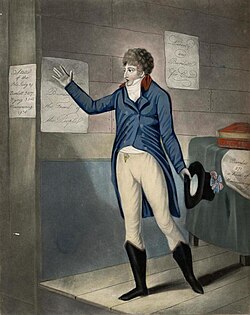
Election Controversies and Political Scandals
Burdett's path to power was fraught with legal and political hurdles. After being elected as the Member of Parliament for Middlesex in 1802 with the help of journalist Peter Finnerty, his victory was declared void in 1804. Despite a brief amendment in his favor in 1805, the decision was reversed, leading a financially drained Burdett to temporarily withdraw from standing for parliament.
He returned to the spotlight in 1807, winning the Westminster seat with overwhelming enthusiasm. However, his career was not without personal volatility; in 1807, a misunderstanding led to a duel between Burdett and his former ally, James Paull, leaving both men wounded.
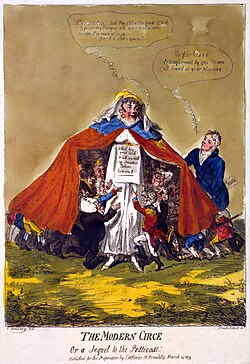
In 1809, Burdett became embroiled in the Duke of York scandal. Alongside Gwyllym Wardle, he challenged Prince Frederick, the Commander-in-Chief of the Forces. While Frederick was initially relieved of his duties, he was reinstated two years later after it was revealed that Wardle had encouraged hostile testimony from Mary Anne Clarke, the Prince's mistress.
Defiance and Imprisonment
Burdett's willingness to clash with authority reached a peak in 1810. After questioning the House of Commons' power to imprison the radical John Gale Jones, Burdett published a revised version of his speech via William Cobbett's Weekly Register. The House viewed this as a breach of privilege and issued a warrant for his arrest on charges of libelling the House of Commons.
Burdett initially defied the authorities by barricading himself in his home for two days, drawing a supportive crowd of citizens. Although Thomas Cochrane offered military-style assistance, Burdett declined, preferring a political rather than a military confrontation. Eventually, soldiers entered his home and escorted him to the Tower of London. Upon his release during the parliamentary recess, he avoided public demonstrations by returning to Westminster by water.
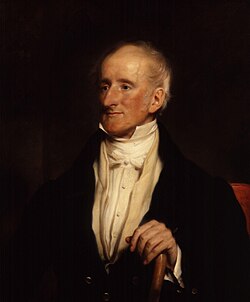
The Fight for Parliamentary Reform
Throughout his career, Burdett championed the removal of Roman Catholic disabilities (legal restrictions preventing Catholics from holding public office). His persistence paid off; after years of proposing resolutions and bills, his proposals finally became law in 1829.
Burdett also anticipated the later Chartist movement by proposing a radical overhaul of the electoral system. His visions included:
- Universal male suffrage
- Equal electoral districts
- Voting by secret ballot
- Annual parliaments
Despite these forward-thinking ideas, his motions received little support at the time. His commitment to free speech also led to a legal clash in 1820. After criticizing the government's role in the Peterloo Massacre, he was convicted of seditious libel, fined £1,000, and imprisoned for three months. During this time, he articulated a nuanced view of press freedom, arguing that while men should be free to point out errors in public measures, they must not impute criminal conduct without a fair trial in a court of justice.
In 1821, Burdett was joined by Jeremy Bentham, John Cartwright, and five others to serve as "Guardians of Constitutional Reform," aiming to observe and report on the state of democracy in the United Kingdom.
Later Years and Political Shift
Following the passage of the Reform Act 1832, Burdett's radical fervor diminished. This shift in attitude alienated some of his constituents, leading him to resign his seat in early 1837. Although he was re-elected, he eventually moved to represent North Wiltshire. In his final years, he aligned himself with the Conservatives, who affectionately nicknamed him "Old Glory," a position he held until his death.
| Period/Year | Key Event/Action | Outcome |
|---|---|---|
| 1798 | Supported Catherine Despard | Secured parliamentary inquiry into prison conditions |
| 1802 | Elected MP for Middlesex | Return later declared void in 1804 |
| 1810 | Libelled the House of Commons | Imprisoned in the Tower of London |
| 1820 | Criticized Peterloo Massacre | Fined £1,000 and imprisoned for 3 months |
| 1829 | Campaign against Catholic disabilities | Proposals became law |
| 1837+ | Represented North Wiltshire | Aligned with the Conservative party |
Frequently Asked Questions
Why was Sir Francis Burdett sent to the Tower of London?
Burdett was imprisoned in the Tower of London after the House of Commons issued a warrant for his arrest. He was charged with libelling the House after publishing a speech that questioned the House's authority to imprison the radical John Gale Jones.
What were Burdett's views on the liberty of the press?
Burdett believed that every citizen should be permitted to instruct others and fearlessly advance new doctrines or point out errors in public policy. However, he argued that this liberty should not extend to imputing criminal conduct to public figures, as the right to character should only be challenged in a court of justice.
How did Burdett influence the movement for Catholic rights?
Burdett spent years advocating for the removal of Roman Catholic disabilities. He successfully carried a resolution in 1825 for the House to consider these laws, and despite initial rejection by the House of Lords, his proposals eventually became law in 1829.
What radical electoral reforms did Burdett propose?
Burdett suggested several reforms that predated the Chartist movement, including the implementation of universal male suffrage, the creation of equal electoral districts, the use of secret ballots, and the establishment of annual parliaments.
How did Burdett's political affiliation change over time?
Burdett began his career as a radical opponent of the government and a champion of popular rights. However, after the Reform Act of 1832, his radicalism waned, and he spent his final years as a Member of Parliament for North Wiltshire aligned with the Conservatives.