
Stratotypes and Type Sections in Geological Mapping
In the field of geology, precision is everything. To ensure that scientists across the globe are discussing the same rock layers and time periods, they rely on standardized physical references. These reference points allow geologists to correlate data and maintain a consistent record of the Earth's history.
Defining the Stratotype
A stratotype, also known as a type section, is a specific physical location or outcrop that serves as the reference exposure for a stratigraphic sequence or a stratigraphic boundary. Essentially, it is the particular sequence of strata—or rock layers—chosen as the gold standard of reference for a layered stratigraphic unit.
When geologists identify a new unit of rock, they designate a stratotype to act as the definitive example of that unit's characteristics, allowing other researchers to compare their findings against this primary source.
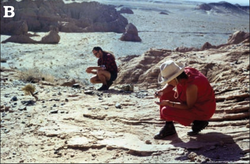
Stratotypes vs. Type Localities
While the terms are often used in similar contexts, there is a technical distinction based on the nature of the rock formation:
- Stratotype: Used specifically when the stratigraphic unit is layered.
- Type Locality: Used as the standard of reference for unlayered rocks.
Managing Incomplete or Poor Exposures
In an ideal scenario, a stratotype would show the entire thickness of a geological unit. However, nature rarely provides a perfect, uninterrupted exposure. In cases where a stratigraphic unit is not fully exposed in one place, the original type section may be supplemented with reference sections. These additional sites help cover the full thickness of the unit.
Reference sections are also established under the following conditions:
- The original type section is poorly exposed or has degraded over time.
- The unit is a historical designation that was named before modern standards required the specification of a formal type section.
Key Facts
- A stratotype is the physical reference for a layered stratigraphic sequence.
- Type localities are used instead of stratotypes for unlayered rock formations.
- Reference sections supplement type sections when the full thickness of a unit is not visible in one location.
- These standards ensure global consistency in geological mapping and dating.
| Term | Rock Type | Purpose |
|---|---|---|
| Stratotype | Layered | Standard reference for a stratigraphic sequence |
| Type Locality | Unlayered | Standard reference for non-layered rocks |
| Reference Section | Either | Supplements a type section for completeness or clarity |
Frequently Asked Questions
What is the main difference between a stratotype and a type locality?
The primary difference is the structure of the rock; a stratotype refers to layered stratigraphic units, while a type locality refers to unlayered rocks.
Why would a geologist need a reference section?
A reference section is used if the original type section is poorly exposed, does not show the full thickness of the unit, or if the unit was named historically without a designated type section.
What exactly is a stratigraphic sequence?
A stratigraphic sequence is a succession of rock layers (strata) deposited over time, which geologists study to understand the chronological history of an area.
Can a type section be changed?
While the source does not explicitly detail the process of changing a section, it notes that reference sections are used to supplement or improve upon original sections that are poorly exposed or incomplete.