
Sudanese Music: The Evolution of Modern Popular Sounds
The musical landscape of Sudan is a rich tapestry woven from traditional roots, colonial influences, and a resilient spirit of political expression. From the early 20th-century salons to the digital beats of the modern era, Sudanese music has evolved through distinct phases, reflecting the country's social shifts and its openness to global sounds.
The 1920s: Hageeba and the Roots of Popularity
The foundation of modern popular music in Sudan is hageeba (meaning "briefcase"). Interestingly, the term was not used during the music's inception in the 1920s; it was coined in the 1940s by radio presenter Ahmed Mohamed Saleh, who referred to the old records he carried in his briefcase for his show, hageebat al-fann (artistic briefcase), on Radio Omdurman.
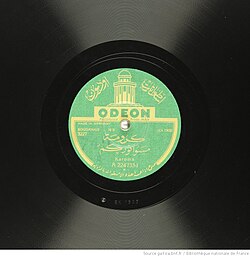
Originally, hageeba was primarily vocal music featuring a lead singer and a chorus, accompanied by the tar, a tambourine-like frame drum. These performances were staples at weddings and social gatherings. By the 1930s, the music transitioned to a commercial medium with the recording of 78 rpm gramophone records in Cairo by artists such as Muhamad Ahmed Sarour and Khalil Farah, which helped the genre spread from Omdurman to Khartoum and other urban centers.
1930s – 1950s: The Era of Radio and Music Halls
The mid-1920s saw the introduction of Western instruments like the piano, accordion, and violin. This period marked the rise of formal compositions, such as Adhamiya by Mohamed Adam Adham of the Gordon Memorial College musical company.
Pioneers and New Styles
This era was defined by influential singer-songwriters. Abdallah Abdel Karim (Karouma) and Ibrahim al-Abadi were key figures, with al-Abadi notably fusing traditional wedding poetry with music. Khalil Farah, a poet and singer, contributed to the national movement through the patriotic song Azza fi Hawak.
Simultaneously, Tum Tum emerged in Kosti on the White Nile. This rhythmic choral singing by women evolved from praise singing, featuring romantic lyrics and themes regarding the challenges of women's lives. Its danceable nature made it an instant hit in cities.
The Transition to Post-Hageeba
The 1940s brought a surge of talent via Radio Omdurman, including Ismail Abdul Mu'ain and Hassan Attia. Ibrahim al Kashif, known as the "Father of modern singing," renewed popular styles by building on the work of Karouma and Sarour. Live music flourished in Khartoum's St James' and Gordon Music Hall.
This evolution led to post-hageeba (or al-aghani al-hadith), a style dominating from the 1940s through the 1960s. It integrated a wider array of instruments, including the oud (a short-neck lute), tabla, bongo drums, and big band arrangements with brass and string sections, blending Egyptian and Western elements.
1960s – 1980s: The Golden Age
The 1960s marked a period of intense Westernization. American pop stars influenced musicians like Osman Alamu and Ibrahim Awad. The introduction of electric guitars and brass instruments, alongside Congolese soukous and Cuban Rumba, reshaped the Sudanese sound.
Mohammed Wardi, a Nubian singer and songwriter, emerged as one of Sudan's first superstars. Despite facing exile after the 1989 coup, his influence remained potent until his death in 2012. Other key figures included Sayed Khalifa, who brought formal music theory from Cairo to his compositions, and Mostafa Sid Ahmed, who used the poetry of Mahjoub Sharif to express the struggle against dictatorship.
Innovation and Gender Breaking Barriers
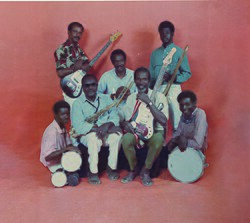
Sharhabil Ahmed and his band revolutionized the scene by introducing soul and pop rhythms with electric guitars and double bass. Notably, Zakia Abdul Gassim Abu Bakr became Sudan's first female guitarist. Other popular acts of the late 70s included The Scorpions and Saif Abu Bakr.
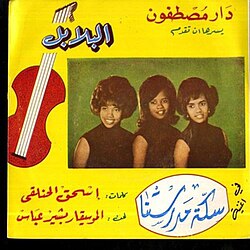
Women's roles in music expanded gradually. Aisha al Falatiya became the first woman to sing on Sudanese radio in 1943, while Hawa Al-Tagtaga provided cultural legitimacy for future female artists. In 1971, the trio Al Balabil (The Nightingales) gained fame across East Africa, followed by the provocative performances of Hanan Bulu Bulu in the 1980s.
The Rise of Sudanese Jazz
Influenced by military brass bands, a unique style known as Sudanese jazz developed. Unlike American jazz, this was a form of modern dance music common across East Africa, led by internationally recognized figures such as Abdel Gadir Salim and Abdel Aziz El Mubarak.
1990s – 2000s: Restrictions and Resilience
The 1989 military coup and the imposition of sharia law led to a decline in public music. Music halls were closed, and artists like Mohammed Wardi and Mohammed al Amin were forced into exile. Traditional zār ceremonies (healing rituals involving music and dance) were suppressed as "pagan."
Despite this, some artists persisted. Abu Araki al-Bakheit continued his political songs in defiance, and Omer Ihsas used his music to promote peace in Darfur. International influences like Bob Marley, Michael Jackson, and James Brown continued to inspire musicians, leading some to record in English to reach global audiences.
21st Century: Protest, Digital Media, and Urban Trends
Music has remained a powerful tool for political change. During the 2018/19 revolution, the song "Dum" by Ayman Mao became an anthem for protesters. Contemporary artists like Ramey Dawoud and Amira Kheir continue to bridge the gap between Sudan and its diaspora.
In urban centers, a new underground genre called Zanig has emerged, spreading via bootleg recordings and public transport sound systems. Meanwhile, the 2020 opening of the Arabic Oud House in Khartoum has helped preserve classical traditions.

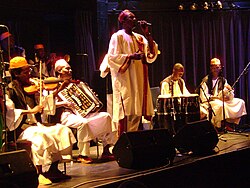
Modern groups like Salute yal Bannot have gained international attention, with their song "African Girl" reaching a wide audience on YouTube. In Port Sudan, Noori & his Dorpa Band blend the traditional tanbura (lyre) with electric guitars and saxophones, continuing the tradition of fusing the old with the new.
Key Facts
- Hageeba: The origin of modern popular Sudanese music, named after a radio presenter's briefcase.
- The Golden Age: The period from the 1960s to the 1980s characterized by the fusion of Western pop, Congolese soukous, and Cuban Rumba.
- Sudanese Jazz: A dance music style derived from military brass bands, distinct from American jazz.
- Political Impact: Music has been central to Sudanese revolutions, from the 1964 movement to the 2018/19 uprising.
- Gender Milestones: Aisha al Falatiya was the first woman on Sudanese radio (1943), and Zakia Abdul Gassim Abu Bakr was the first female guitarist.
| Period | Dominant Style/Movement | Key Characteristics | Notable Figures |
|---|---|---|---|
| 1920s-1930s | Hageeba | Vocal-led, tar percussion, early 78 rpm records | Muhamad Ahmed Sarour, Khalil Farah |
| 1940s-1950s | Post-Hageeba / Tum Tum | Introduction of oud, accordion, and female choral singing | Ibrahim al Kashif, Aisha al Falatiya |
| 1960s-1980s | The Golden Age | Electric guitars, brass, Congolese and Cuban influences | Mohammed Wardi, Sharhabil Ahmed |
| 1990s-2000s | Era of Restriction | Sharia law restrictions, exile of artists, rise of English lyrics | Omer Ihsas, Abu Araki al-Bakheit |
| 2010s-Present | Urban Contemporary | Zanig, Hip Hop, Rap, and digital distribution | Ayman Mao, Salute yal Bannot |
Frequently Asked Questions
What does "hageeba" mean in the context of Sudanese music?
Hageeba means "briefcase." The term was coined in the 1940s by radio presenter Ahmed Mohamed Saleh, who kept old records in his briefcase for his radio show, hageebat al-fann.
How does Sudanese jazz differ from American jazz?
Sudanese jazz is not related to the American jazz style; instead, it is a form of modern dance music influenced by military brass bands, similar to other dance styles found across East Africa.
Who was Mohammed Wardi?
Mohammed Wardi was a Nubian singer, songwriter, and instrumentalist who became one of Sudan's first superstars. He is highly regarded for his music and his resilience during periods of political exile.
What is Zanig music?
Zanig is a contemporary form of underground urban music in Sudan that spreads primarily through bootleg recordings, live shows, and sound systems on public transport.
How did the 1989 coup affect Sudanese music?
The coup led to the imposition of sharia law, which resulted in the closure of music halls, the banning of outdoor concerts, and the exile or imprisonment of many prominent musicians.