
Synthetic Biology: Navigating Biosafety, Biosecurity, and Environmental Risks
Synthetic biology represents a frontier of scientific innovation, allowing researchers to redesign organisms for medicine, industry, and agriculture. However, the ability to synthesize genomes and edit genetic codes introduces a complex array of risks. These challenges are generally categorized into three primary domains: biosafety, which focuses on protecting workers and the immediate environment; biosecurity, which addresses the prevention of intentional misuse; and environmental safety, which examines the long-term impact on global ecosystems.
Biosafety in the Laboratory
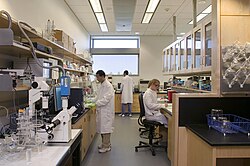
Biosafety refers to the application of safety precautions that reduce a laboratory worker's risk of exposure to infectious agents or toxins. In synthetic biology, these hazards mirror those found in traditional biotechnology. Workers may encounter hazardous chemicals, biological agents such as prions (misfolded proteins that can cause neurodegenerative diseases), and biologically-derived toxins.
Beyond biological agents, laboratories present various physical risks. These include ergonomic hazards, radiation, and noise, as well as potential injuries from specialized equipment like autoclaves (steam sterilizers), centrifuges, compressed gas cylinders, cryogens, and electrical systems.
Emerging Challenges in Risk Assessment
The creation of xenobiological organisms (life forms using non-natural biological components) and novel protocells introduces risks that may not be covered by existing guidelines. As of 2018, most biosafety protocols were designed to prevent exposure to known pathogens rather than entirely new ones. For example, lentiviral vectors derived from HIV-1 are essential for gene therapy because they can infect both dividing and non-dividing cells; however, accidental exposure can lead to cancer or other diseases. In such cases, antiretroviral drugs are used as post-exposure prophylaxis to mitigate the risk.
Furthermore, the rise of the do-it-yourself (DIY) biology movement has raised concerns. There is a risk that non-professional practitioners may not follow the rigorous risk assessments required in institutional settings, although some suggest an informal ethical code exists within these communities.
Biosecurity and the Threat of Misuse
Biosecurity focuses on preventing the intentional release of harmful biological agents. While the resources required for high-level synthetic biology make large-scale bioterrorism unlikely, the field may lower the barrier to entry by reducing the time and expertise needed to develop dangerous capabilities.
A 2018 report by the National Academies of Sciences, Engineering, and Medicine (NASEM) highlighted three primary capabilities of concern:
- Recreation of Known Pathogens: Using genome synthesis to recreate historical viruses, such as the Spanish Flu or poliovirus. While mammalian virus synthesis is relatively low-cost and sequences are public, these risks can be partially mitigated by screening commercial DNA orders and using standard public health measures.
- Enhancement of Existing Pathogens: Engineering microbes to increase their virulence (severity of disease), transmissibility, or stability. This includes altering the targeted host or enabling the pathogen to evade vaccines and detection. NASEM identified engineered bacteria as a higher risk than viruses due to their genomic stability and ease of manipulation.
- Production of Harmful Biochemicals: Using metabolic engineering—the practice of optimizing genetic and regulatory processes within cells—to produce toxins, explosives, chemical weapons, or controlled substances. Naturally occurring harmful substances are considered a higher risk than artificial ones.
![Poliovirus was among the first virus genomes synthesized from scratch and used to create viruses capable of infection. This has led to concern that it and other infectious viruses could be manufactured for harmful purposes.[6]: 39](/images/74/d0/74d0f3e213f8b92aba31441281c175178226a1c921f64019787907fefee1f973.png)
Low-Probability, High-Impact Threats
Some threats are considered lower risk due to extreme technical hurdles. These include engineering organisms to persist within the human microbiome, creating pathogens that cause autoimmunity or immunodeficiency, or designing microbes that directly alter the human genome.
Environmental Hazards and Ecological Impact
The release of synthetic organisms into the wild can lead to unforeseen ecological consequences. A primary concern is toxicity; for instance, a plant engineered to resist specific pests might inadvertently harm other beneficial invertebrates.
Other speculative but serious risks include:
- Invasive Species: Engineered organisms outcompeting natural species, leading to a loss of biodiversity.
- Horizontal Gene Transfer: The movement of synthetic genetic material from engineered organisms to wild populations.
- Gene Drives: Systems designed to spread a specific trait through a population to suppress disease vectors, which could accidentally alter the fitness of a species and disrupt ecosystem balance.
Beyond biology, synthetic biology may drive socio-economic changes. Non-food synthetic organisms could displace agricultural land, and large-scale commercial synthetic production could economically undermine small-scale farmers. Additionally, efforts toward de-extinction (bringing back extinct species) might divert funding and support away from traditional conservation efforts.
Key Facts
- Biosafety covers laboratory hazards including chemicals, prions, and equipment like autoclaves.
- Lentiviral vectors are used in gene therapy but pose cancer risks if accidental exposure occurs.
- NASEM (2018) identified pathogen recreation, pathogen enhancement, and biochemical production as top biosecurity risks.
- Bacteria are viewed as a higher biosecurity risk than viruses because they are easier to manipulate.
- Gene drives can suppress disease vectors but may inadvertently disrupt entire ecosystems.
- De-extinction efforts may potentially reduce support for traditional wildlife conservation.
| Risk Category | Primary Concerns | Examples/Drivers |
|---|---|---|
| Biosafety | Worker exposure & lab accidents | Lentiviral vectors, chemical toxins, cryogens |
| Biosecurity | Intentional misuse/Bioterrorism | Genome synthesis of poliovirus, metabolic engineering |
| Environmental | Ecological disruption | Gene drives, horizontal gene transfer, invasive species |
| Socio-Economic | Land use & conservation shifts | Industrial synthetic production, de-extinction |
Frequently Asked Questions
What is the difference between biosafety and biosecurity?
Biosafety focuses on protecting people and the environment from accidental exposure to hazardous biological agents in a controlled setting. Biosecurity focuses on preventing the intentional theft, misuse, or release of biological agents for harmful purposes.
Why are engineered bacteria considered a higher biosecurity risk than viruses?
According to NASEM, bacteria are generally easier to manipulate genetically and their genomes tend to be more stable over time compared to those of viruses.
What are the risks associated with lentiviral vectors?
While useful for gene therapy because they infect both dividing and non-dividing cells, unintentional exposure to these vectors can potentially lead to cancer and other diseases in laboratory workers.
How could synthetic biology affect traditional conservation?
The pursuit of de-extinction—using synthetic biology to bring back extinct species—could potentially reduce the public and financial support available for traditional conservation efforts aimed at protecting currently endangered species.
What is a gene drive and why is it risky?
A gene drive is a genetic engineering technology that ensures a specific trait is passed to all offspring, bypassing standard inheritance. While useful for eliminating disease-carrying insects, it could inadvertently harm the target species' fitness or destabilize the broader ecosystem balance.