
The Cavalry Club: A History of London's Elite Military Society
In the heart of Mayfair, London, the legacy of military prestige and social exclusivity is etched into the architecture of Piccadilly. The Cavalry Club, established in 1890, served as a cornerstone for officers and gentlemen for over eight decades, embodying the tradition of the London gentlemen's club—private member organizations designed for social networking and leisure.
The Evolution of the Club
The Cavalry Club began its journey in 1890 at 127 Piccadilly. Initially, it operated as a proprietary club, meaning it was owned by a single individual—in this case, an officer from the 20th Hussars. However, the structure of the organization shifted five years later when ownership was transferred to the members themselves, transforming it into a members' club.
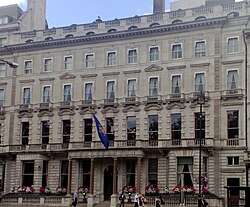
To reflect its growing status, the members raised the necessary capital to construct a dedicated clubhouse. Completed in 1908, the building was designed by B. N. H. Orphoot of the architectural firm Mewès and Davies.
Architectural Design and Layout
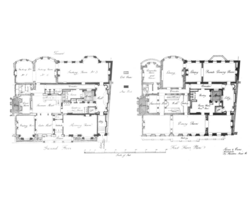
The 1908 clubhouse was a testament to the luxury and scale expected of Mayfair's elite institutions. The design by Orphoot ensured that the facility could accommodate the social requirements of its military membership while maintaining a prestigious presence on Piccadilly.
Financial Hardship and the 1975 Merger
The 1970s proved to be a volatile decade for many of London's traditional clubs. Both the Cavalry Club and the Guards' Club faced severe financial difficulties during this period. As the Guards' Club approached an inevitable closure, a strategic merger was proposed to ensure the survival of both legacies.
In 1975, the two entities merged to form the Cavalry and Guards Club. As part of this transition, the Guards' Club premises were closed, and its 800 members migrated to the Cavalry Club's site. Along with the membership, the Guards' Club contributed numerous objets d'art (artistic objects of high value) to the combined collection.
Key Facts
- Founded: 1890
- Location: 127 Piccadilly, Mayfair, London
- Architect: B. N. H. Orphoot (Mewès and Davies)
- Clubhouse Completion: 1908
- Merger Date: 1975
- Successor: Cavalry and Guards Club
| Year | Event | Significance |
|---|---|---|
| 1890 | Foundation | Established as a proprietary club by a 20th Hussars officer. |
| 1895 | Ownership Shift | Became a members' club. |
| 1908 | New Clubhouse | Completion of the Mewès and Davies designed building. |
| 1975 | Merger | Merged with the Guards' Club to form the Cavalry and Guards Club. |
Frequently Asked Questions
When was the Cavalry Club founded?
The Cavalry Club was established in 1890 in London.
Who designed the clubhouse at 127 Piccadilly?
The clubhouse was designed by B. N. H. Orphoot of the firm Mewès and Davies and was completed in 1908.
Why did the Cavalry Club merge with the Guards' Club?
Both clubs experienced serious financial hardship during the 1970s. Since the Guards' Club was already facing closure, a merger was the proposed solution to preserve their combined membership and assets.
What happened to the members of the Guards' Club after 1975?
Approximately 800 members of the Guards' Club joined the renamed Cavalry and Guards Club, bringing various objets d'art with them to the Piccadilly site.
Does the club still exist today?
Yes, the successor organization, the Cavalry and Guards Club, continues to exist today.