
Tiger Nuts: Versatile Uses, History, and Global Traditions
The tiger nut, derived from the plant Cyperus esculentus, is a unique tuber prized for its smooth, tender, and naturally sweet nutty flavor. While often mistaken for a nut, it is actually a small tuber that has been cultivated for millennia across Africa, the Middle East, and Europe. From refreshing summer drinks in Spain to traditional snacks in West Africa, tiger nuts offer a diverse range of culinary and industrial applications.
Key Facts
- Taste Profile: Naturally sweet and nutty, distinct from the more bitter Cyperus rotundus (purple nutsedge).
- Primary Uses: Consumed raw, roasted, baked, or processed into milk, flour, and oil.
- Global Names: Known as chufa in Spain, aya in Northern Nigeria, and ḥab el ʿAzīz in Egypt.
- Oil Content: Contains between 20% and 36% oil, making it a candidate for biodiesel production.
- Dietary Benefit: Tiger nut milk serves as a potential alternative for those with lactose intolerance.
Culinary Applications
Tiger nuts are highly versatile in the kitchen. Because they are quite hard in their dried state, they are generally soaked in water to soften their texture before consumption. They can be enjoyed raw, roasted, or ground into a flour used for biscuits and various bakery products.
Traditional Beverages
One of the most famous uses of the tuber is in the production of horchata de chufa. This original form of horchata is made by mixing soaked, ground, and sweetened tiger nuts with water and sugar. In Spain, particularly in the production center of Alboraya, this drink is served ice-cold during the summer and is often paired with fartons (sweet pastries). A regulating council in Spain ensures the quality and traceability of this product.
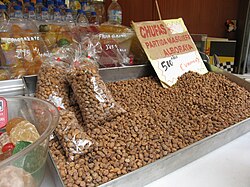
In West Africa, specifically Nigeria and Mali, a similar drink is known as kunun aya. In Northern Nigeria, this beverage is often processed with dates, sieved, and served chilled. Additionally, tiger nuts are used to enhance kunu, a nonalcoholic cereal-based beverage made from millet or sorghum and mixed with spices like ginger, licorice, and alligator pepper. Tiger nuts are added to kunu to improve its nutritional value.
Global Food Traditions
In Northern Nigeria, tiger nuts (aya) are eaten fresh or rehydrated after drying. A popular treat for Hausa children involves toasting the nuts and coating them in sugar. In Egypt, ḥab el ʿAzīz is a popular street food sold from hand carts after being softened through soaking.
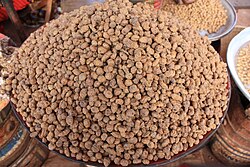
Beyond snacks, tiger nut flour is used in the production of jam, nougat, and beer, and serves as a flavoring agent in ice cream. Roasted tiger nuts can even be ground to create a coffee substitute.
Industrial and Specialized Uses
Tiger Nut Oil and Biodiesel
Tiger nut oil is considered a high-quality oil suitable for salads or deep frying. Due to its high oil content (20-36%), researchers have explored its potential as a biodiesel crop. Studies have shown oil yields ranging from 1.47 to 1.5 metric tonnes per hectare. The oil consists of 82% unsaturated fatty acids (oleic and linoleic acid) and 18% saturated fatty acids (palmitic and stearic acid).
Fishing Bait
In the UK, boiled tiger nuts are used as bait for carp. To ensure the safety of the fish, the nuts must be soaked for 24 hours and boiled for at least 20 minutes. Some anglers further ferment the nuts for 24–48 hours to increase effectiveness. Improperly prepared nuts can be toxic to carp, though a famous case involving a 54 lb carp named Benson was later determined to be a natural death rather than poisoning.
Historical Significance
The history of the tiger nut stretches back to prehistoric times. It is suggested that the extinct hominin Paranthropus boisei, known as "Nutcracker Man," may have subsisted on these tubers. In Ancient Egypt, Cyperus esculentus was one of the oldest cultivated plants, with wild roots found at Wadi Kubbaniya dating to approximately 16,000 BC.
By 3000 BC, tubers appeared in Predynastic tombs and were consumed roasted, boiled in beer, or mixed with honey as sweets. They were also used for medicinal purposes as ointments, enemas, or oral treatments, and as fumigants to scent clothing and homes. The plant remained a staple in the Dynastic period, as evidenced by the 15th-century BCE tomb of the vizier Rekhmire, which depicts the preparation of tiger nut cakes as offerings to the god Amun.
Summary of Tiger Nut Applications
| Category | Application/Detail | Regional Context |
|---|---|---|
| Beverages | Horchata de chufa, Kunun aya, Kunu additive | Spain, Nigeria, Mali |
| Food | Raw snacks, sugar-coated treats, flour for baking | West Africa, Egypt |
| Industrial | Biodiesel production, soap, starch extracts | Global Research |
| Health/Diet | Lactose-free milk alternative | Various African countries |
| Other | Carp fishing bait | United Kingdom |
Frequently Asked Questions
Is tiger nut milk a good substitute for dairy?
Yes, tiger nut "milk" has been used as an alternative source of milk in fermented products like yogurt and can be a useful replacement for people who are intolerant to lactose.
How should tiger nuts be prepared before eating?
Because dried tiger nuts are quite hard, they are generally soaked in water to soften them and improve their texture before they are consumed raw or cooked.
What is the difference between tiger nuts and purple nutsedge?
While related, tiger nuts (Cyperus esculentus) have a slightly sweet, nutty flavor, whereas the tubers of the purple nutsedge (Cyperus rotundus) taste more bitter.
Can tiger nuts be used for fuel?
Yes, because they contain between 20% and 36% oil, they have been suggested as a potential crop for the production of biodiesel.
Are tiger nuts safe for fish?
They can be used as carp bait, but they must be properly prepared by soaking for 24 hours and boiling for at least 20 minutes to prevent them from being toxic to the fish.