
Tobacco Advertising in Sports: A Global History of Endorsements and Regulation
For over a century, the tobacco industry strategically aligned its products with health, vitality, and athletic achievement. By pairing smoking with active lifestyles, companies sought to normalize tobacco use among those who valued physical fitness and performance. This relationship evolved from blatant endorsements by legendary athletes to a complex landscape of corporate sponsorships and, eventually, strict government prohibitions.
In the early 20th century, advertisements depicted smoking as a complement to activities such as tennis, golf, swimming, football, skiing, and ice skating. Some campaigns even suggested that cigarettes could enhance performance or maintain health. For instance, American Tobacco's Lucky Strikes targeted weight-conscious consumers with the slogan, “To keep a slender figure, reach for a Lucky instead of a sweet.” Meanwhile, smokeless tobacco brands targeted adolescents with messaging suggesting that their products could make a user "act like a man."
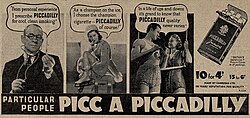
Key Facts
- Early Strategy: Tobacco companies linked smoking to athletic stamina and healthy living to attract active consumers.
- Baseball Roots: Trading cards in cigarette packs emerged shortly after the National Baseball League's 1876 inception.
- Australia's Leadership: Australia was among the first nations to legislate the end of tobacco sponsorship in sports, becoming totally tobacco-free by 2006.
- Industry Self-Regulation: In 1964, the industry adopted the Cigarette Advertising Code to stop depicting athletes as smokers, though this was often ignored.
- Shift to Cessation: Modern sports trends have shifted from promoting tobacco to endorsing tobacco prevention and cessation efforts.
The Evolution of Athletic Endorsements
Between the 1920s and 1940s, the bond between baseball and tobacco was particularly strong. Every major-league team had a cigarette sponsor, and icons like Babe Ruth, Joe DiMaggio, and Ted Williams appeared in advertisements. Lou Gehrig famously endorsed R. J. Reynolds’ Camels, claiming the cigarettes “don’t get your wind.”
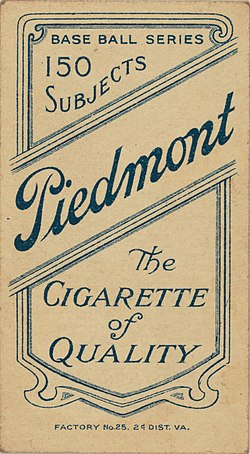
By the 1950s, as the correlation between smoking and lung cancer became more evident, the Commissioner of Baseball banned players from wearing uniforms in tobacco ads. However, the National Football League (NFL) continued the practice, signing Philip Morris’ Marlboro as a major television sponsor. Prominent athletes like Frank Gifford, a New York Giants player and later a sportscaster, endorsed Lucky Strike cigarettes during this era.
In 1964, the industry introduced the Cigarette Advertising Code. This voluntary measure stated that the industry would no longer depict well-known athletes or people participating in activities requiring stamina as smokers. Despite this self-regulation, the industry frequently disregarded its own rules.
Corporate Sponsorships and Motor Racing
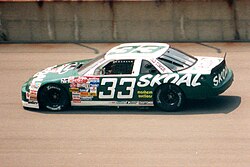
Motor racing has historically maintained a deep connection with tobacco companies. One of the most notable examples was the Winston Cup Series in NASCAR, where Winston served as the title sponsor for 33 years before being replaced by Nextel.
Following the exit of cigarette brands, the landscape shifted toward cessation products. Nicorette entered NASCAR, sponsoring Hendrick Motorsports and driver Jeff Gordon from 2006 to 2008. This move was strategic, as data indicated NASCAR fans were 28% more likely to smoke and smoked 18% more cigarettes than other adults. Since 2005, Nicorette has provided quit-smoking counseling to approximately 250,000 race fans and implemented training for NASCAR employees.
Rodeo and Tobacco
The tobacco industry also targeted rodeo culture. The National Intercollegiate Rodeo Association (NIRA) was sponsored by tobacco interests starting in 1974, and the Professional Rodeo Cowboys Association was sponsored by the U.S. Smokeless Tobacco Company from 1986 to 2009. The severance of these ties in 2009 was seen by journalists like “Cowboy Ted” Hallisey as a move that would make rodeos more family-friendly and move them into the mainstream of sports.
Global Regulatory Perspectives
Different nations have taken varying approaches to curbing tobacco's influence in sports:
| Country | Key Regulatory Actions / Events | Outcome |
|---|---|---|
| Australia | Tobacco Advertising Prohibition Act 1992; 2000 amendment. | Totally tobacco-free in sports by October 2006. |
| United Kingdom | Television advertising bans. | John Player & Sons continued cricket sponsorship in 60s/70s. |
| China | Endorsements permitted. | Baisha signed Olympic gold medalist Liu Xiang in 2009. |
| United States | Shift from promotion to prevention. | Athletes now more likely to endorse tobacco prevention. |
In Australia, the transition was gradual. While TV ads were banned in 1976, companies used on-ground advertising and naming rights. For example, the Benson and Hedges logo would appear for roughly 90 minutes during a day of test cricket. It wasn't until the 1992 Act and a subsequent 2000 amendment that all loopholes, including those for events of international significance, were closed.
Frequently Asked Questions
How did early tobacco ads link smoking to health?
Early advertisements associated smoking with athletic activities like swimming, skiing, and tennis, suggesting that cigarettes could enhance performance or help maintain a slender figure instead of eating sweets.
What was the Cigarette Advertising Code of 1964?
It was a voluntary industry agreement to stop using testimonials from athletes or depicting people engaged in activities requiring stamina as smokers, though the industry often ignored these guidelines.
When did Australian sports become completely free of tobacco sponsorship?
Australian sport became totally tobacco sponsorship and advertisement free in October 2006, following the Tobacco Advertising Prohibition Act 1992 and a later amendment in 2000.
Why did Nicorette sponsor NASCAR?
Nicorette targeted NASCAR because its fan base had a higher prevalence of smoking (28% more likely to smoke) and higher consumption rates (18% more cigarettes) compared to other adults.
Which baseball legends endorsed cigarettes?
Babe Ruth, Joe DiMaggio, and Ted Williams all appeared in cigarette ads, and Lou Gehrig endorsed Camels.