
Trinidad, Cuba: A Journey Through Colonial Architecture and Natural Beauty
Trinidad is a living testament to Cuba's rich history, blending preserved Spanish Colonial architecture with breathtaking natural landscapes. From its cobblestone streets to its vast sugar valleys, the town and its surrounding region offer a glimpse into the economic and cultural evolution of the island.
The Heart of the Town: Plaza Mayor
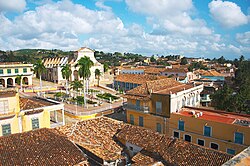
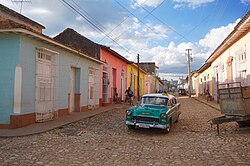
The Plaza Mayor serves as the town's central hub and functions as an open-air museum of Spanish Colonial architecture. This historic area, spanning only a few square blocks, is characterized by its traditional cobblestone streets and pastel-colored houses adorned with wrought-iron grilles.
Among the most notable colonial-era edifices in the plaza are the Santísima Trinidad Cathedral and the Convento de San Francisco. Visitors can also explore the Municipal History Museum to learn more about the town's heritage.
Music and Nightlife
Music is deeply woven into the fabric of Trinidad. The town features several casas de musica (music houses), including a prominent location situated next to the cathedral in Plaza Mayor. For those seeking a more modern experience, the town offers unique discothèques, including one located within the ruins of a church and another housed in a large cave that previously served as a wartime hospital.
The Surrounding Region
The Valley of the Sugar Mills
Beyond the town center lies the Valle de los Ingenios (Valley of the Sugar Mills), a designated World Heritage Site. This region contains approximately 70 historic sugar cane mills, illustrating the critical role sugar played in the Cuban economy starting in the 18th century.
A landmark of this valley is la Torre Iznaga, a 45-metre (148 ft) tower constructed in 1816 by Alejo Iznaga Borrell.
Coasts, Beaches, and Ecotourism
Trinidad is surrounded by diverse natural attractions. Located 20 kilometres (12 mi) from the city is Topes de Collantes, recognized as one of Cuba's premier ecotourism centres. For those drawn to the water, Casilda Bay is a popular destination for divers and snorkelers.
The region is also home to pristine beaches on a nearby islet. Playa Ancón (Ancón Beach), known for its white sands, was among the first resorts developed following the 1959 revolution. The Ancón Peninsula hosts three major hotels: Hotel Costa Sur (South Coast Hotel), Hotel Ancón, and Brisas Trinidad del Mar.
Key Facts
- Plaza Mayor: An open-air museum featuring Spanish Colonial architecture and cobblestone streets.
- Valle de los Ingenios: A World Heritage Site with roughly 70 historic sugar mills.
- Torre Iznaga: A 45-metre tower built in 1816.
- Playa Ancón: A white sand beach and early post-1959 revolution resort.
- Topes de Collantes: A leading ecotourism centre located 20km from the city.
| Category | Attraction | Key Feature |
|---|---|---|
| Architecture | Plaza Mayor | Spanish Colonial buildings and cobblestones |
| History | Valle de los Ingenios | 70 historic sugar mills |
| Nature | Topes de Collantes | Premier ecotourism centre |
| Beach | Playa Ancón | White sand and peninsula resorts |
| Marine | Casilda Bay | Snorkeling and diving |
Frequently Asked Questions
What makes Plaza Mayor unique?
Plaza Mayor is unique because it acts as an open-air museum, preserving Spanish Colonial architecture with its pastel houses, wrought-iron grilles, and historic edifices like the Santísima Trinidad Cathedral.
What is the significance of the Valle de los Ingenios?
The Valle de los Ingenios is a World Heritage Site containing about 70 sugar mills, which represent the immense importance of the sugar industry to the Cuban economy since the 18th century.
How tall is la Torre Iznaga and who built it?
La Torre Iznaga is 45 metres (148 ft) tall and was built by Alejo Iznaga Borrell in 1816.
Where can visitors find beaches near Trinidad?
Visitors can visit Playa Ancón, a white sand beach on the Ancón Peninsula, or explore the pristine beaches on a nearby islet.
What activities are available at Casilda Bay?
Casilda Bay is a popular destination specifically for those interested in snorkeling and diving.