
Tripoli International Fair: A History of Africa's Oldest Trade Fair
The Tripoli International Fair (TIF) stands as a landmark of commercial exchange and architectural ambition. Established by the Italian government in 1927, it holds the distinction of being the oldest trade fair on the African continent, serving as a bridge between diverse economies and cultures for nearly a century.
The Colonial Era and International Promotion
During the 1930s, the Fiera internazionale di Tripoli emerged as one of the most significant international exhibitions within the colonial world. To showcase the development of Italian Libya, the Italian government promoted the fair alongside the Tripoli Grand Prix, creating a high-profile image of the region for a global audience.
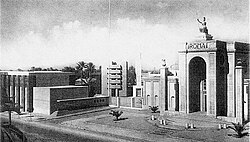
Architectural Significance
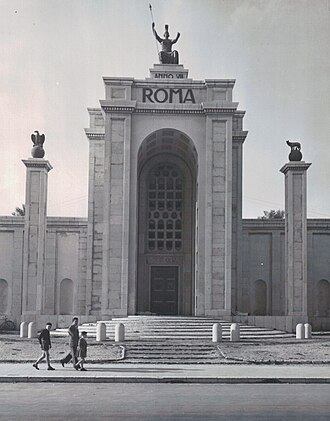
The fair's physical presence is defined by its striking architecture. The most notable structure is the symbolic monument located at the entrance, known as the Padiglione del governatorato di Roma alla fiera di Tripoli (the Pavilion of Rome in Tripoli). This landmark was originally designed by Alessandro Limongelli, an Italian architect born in Egypt.
Historic Milestones and Global Reach
The fair gained worldwide fame during its 1934 session. This particular event was highlighted by the first air trip to the oases of the Libyan Sahara, a feat of aviation that was commemorated with a special Italian stamp.
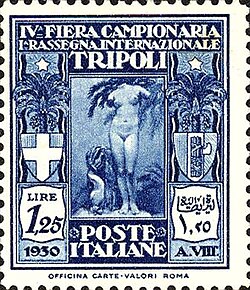
Following the disruptions of World War II, the fair resumed operations, although it initially reopened on a significantly reduced scale compared to its pre-war peak.
Modern Revival and Current Impact
In recent decades, the Tripoli International Fair has reclaimed its status as a hub of international commerce. The 2008 session, held from April 2 to April 12, signaled a return to its former importance. By 2010, the event had grown substantially, hosting over 1,000 participants from 29 different countries across Arab, European, and American regions.
Key Facts
- Founded: 1927 by the Italian government.
- Status: Oldest Trade Fair in Africa.
- Key Architect: Alessandro Limongelli (Pavilion of Rome).
- 1934 Highlight: First air trip to the Libyan Sahara oases.
- 2010 Scale: Over 1,000 participants from 29 countries.
| Period/Year | Key Event or Characteristic |
|---|---|
| 1927 | Foundation of the fair |
| 1930s | Promoted with the Tripoli Grand Prix |
| 1934 | First air trip to Sahara oases |
| Post-WWII | Reopened with reduced size |
| 2008 | Resurgence of international importance |
| 2010 | 1,000+ participants from 29 countries |
Frequently Asked Questions
When was the Tripoli International Fair established?
The fair was founded in 1927 by the Italian government.
Who designed the Pavilion of Rome in Tripoli?
The Pavilion of Rome, the fair's most notable symbolic monument, was designed by the Egyptian-born Italian architect Alessandro Limongelli.
What made the 1934 fair globally famous?
The 1934 session was renowned for the first air trip conducted to the oases of the Libyan Sahara, an event that was celebrated via an Italian stamp.
How did the fair change after World War II?
After the war, the fair was reopened, but it operated at a greatly reduced size compared to its earlier iterations.
How many countries participated in the 2010 fair?
In 2010, the fair hosted more than 1,000 participants representing 29 different countries from Arab, European, and American regions.