
Tupenu: The Traditional Wrapped Garment of Tonga
The tupenu is a traditional wrapped garment central to Tongan identity and attire. Similar to the sarong, lungi, or lava-lava found across Southeast Asia, South Asia, the Arabian Peninsula, the Horn of Africa, and Oceania, the tupenu serves as a versatile piece of clothing. In terms of cultural function and style, it is often compared to the Scottish kilt.
Key Facts
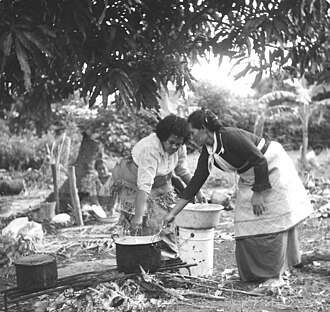
- The tupenu is a wrap-around garment worn by both men and women in Tonga.
- Women typically pair the tupenu with a kofu (knee-length dress).
- Men's formal tupenus are often tailored from suit material to match Western jackets.
- The ta'ovala, a woven pandanus mat, is worn over the tupenu for ceremonial respect.
- The kiekie serves as a more comfortable alternative to the ta'ovala for many occasions.
Women's Traditional Attire
For women, the tupenu is designed to cover the body from the waist to the ankles. Because standard cloth yardage is typically 45 inches wide, a tupenu can be created quickly by cutting and wrapping fabric directly from a bolt. To complete the ensemble, women wear a kofu, which is a knee-length dress, over the wrap.
For formal events, the kofu and tupenu are often sewn from the same fabric to create a matching set. Some high-fashion or "fancy" tupenus feature tailoring, such as darts sewn into the top, to ensure a closer fit to the body.
During ceremonial events, women add a layer of cultural significance by wearing a ta'ovala—a finely woven mat made from pandanus leaves—over their dress and wrap. In less formal settings, a kiekie, which is a skirt made of string or grass, is frequently worn as a comfortable substitute for the ta'ovala.
Men's Traditional Attire
The men's tupenu is shorter than the women's version, covering the body from the waist to the knees. The style of the garment varies significantly depending on the setting. For casual wear or manual labor, any suitable piece of cloth is used as a wrap.
On formal occasions, men wear tailored tupenus crafted from suit material, mirroring the design of Western wrap skirts. These are typically paired with Western-style suit jackets. To signal respect during formal or ceremonial gatherings, men cover their tupenu with a ta'ovala. In this context, the ta'ovala serves a similar social purpose to the Western necktie.
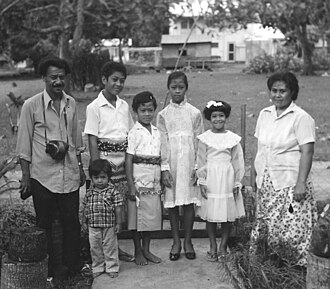
Comparison of Tongan Garments
| Garment | Description | Primary User | Occasion |
|---|---|---|---|
| Tupenu | Wrapped cloth (sarong style) | Men & Women | Daily & Formal |
| Kofu | Knee-length dress | Women | Daily & Formal |
| Ta'ovala | Woven pandanus mat | Men & Women | Ceremonial/Respect |
| Kiekie | Grass or string skirt | Women | General/Comfort |
Frequently Asked Questions
What is a tupenu?
A tupenu is a Tongan wrapped garment similar to a sarong or a kilt, worn by both men and women.
How does a woman's tupenu differ from a man's?
A woman's tupenu is longer, extending to the ankles, while a man's tupenu is shorter, extending to the knees.
What is the purpose of the ta'ovala?
The ta'ovala is a woven pandanus mat worn over other clothing during ceremonial occasions as a sign of respect.
What is a kofu?
A kofu is a knee-length dress worn by Tongan women over their tupenu.
Can a kiekie be worn instead of a ta'ovala?
Yes, the kiekie (a grass or string skirt) is considered an acceptable and more comfortable alternative to the ta'ovala on most occasions.