
U.S. Court of Appeals for Veterans Claims: A History of Judicial Oversight
For over two centuries, veterans of the United States military faced a unique legal challenge: they had no independent judicial recourse if their claims for benefits were denied. From the Revolutionary War until the late 20th century, the adjudication process remained entirely internal, leaving veterans without a way to challenge federal decisions in a court of law.
The establishment of the U.S. Court of Appeals for Veterans Claims marked a pivotal shift in the American legal landscape, ensuring that those who served the country could seek fair and independent oversight of their benefit claims.
The Era of Splendid Isolation
Before 1988, the United States Department of Veterans Affairs (formerly known as the Veterans Administration) operated as the only federal administrative agency without independent judicial oversight. This meant that the Board of Veterans' Appeals—an entity within the Department of Veterans Affairs itself—provided the final decision on any claim for benefits.
This lack of external review created a system where the agency acted as both the decision-maker and the final arbiter of its own mistakes. The House Committee on Veterans' Affairs once described the Department as standing in "splendid isolation," as its primary functions were explicitly insulated from the judicial system.
The Path to Judicial Review
The push for change began in earnest during the 1950s. Veterans, advocacy groups, and veterans service organizations spent decades urging Congress to implement a system of judicial review. However, these efforts did not gain significant traction until the aftermath of the Vietnam War.
The surge in claims following the Vietnam War brought the flaws of the adjudication process into sharp focus. The difficulties these veterans faced in obtaining benefits highlighted the urgent need for an independent body to oversee the Department of Veterans Affairs' decisions.
The Establishment and Evolution of the Court
On November 18, 1988, Congress passed the Veterans' Judicial Review Act of 1988, which officially created the United States Court of Veterans Appeals. This landmark legislation finally ended the era of internal-only reviews.
The court underwent a formal name change on March 1, 1999. Through the Veterans Programs Enhancement Act (Pub.L. No. 105-368), the institution became known as the United States Court of Appeals for Veterans Claims.
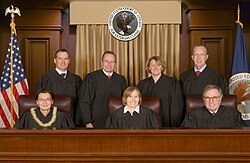
Judicial Composition
The court has maintained a strong connection to the community it serves. Between 1990 and 2016, thirteen of the seventeen jurists who served on the court were veterans. This tradition continues today, with six of the nine current active judges being veterans themselves.
Key Facts
- Founded: November 18, 1988, via the Veterans' Judicial Review Act.
- Previous Status: The VA was the only federal agency without independent judicial oversight until 1988.
- Name Change: Renamed to the U.S. Court of Appeals for Veterans Claims on March 1, 1999.
- Judicial Experience: A majority of judges historically and currently are veterans.
- Catalyst for Change: The increase in claims following the Vietnam War accelerated the push for judicial review.
Summary of Court Evolution
| Period/Date | Status/Event | Key Detail |
|---|---|---|
| Revolutionary War – 1988 | No Judicial Recourse | Board of Veterans' Appeals provided final decisions. |
| November 18, 1988 | Court Created | Established by the Veterans' Judicial Review Act of 1988. |
| March 1, 1999 | Renaming | Renamed via the Veterans Programs Enhancement Act. |
| 1990 – 2016 | Judicial Makeup | 13 of 17 jurists were veterans. |
Frequently Asked Questions
What was the purpose of the Veterans' Judicial Review Act of 1988?
The Act created the United States Court of Veterans Appeals to provide independent judicial oversight for veterans who were denied benefits, ending a long period where the Department of Veterans Affairs had the final say in all claims.
Who provided the final decision on veterans' claims before 1988?
The Board of Veterans' Appeals, which is a part of the Department of Veterans Affairs, provided the final decision on claims for benefits.
Why did the push for judicial review increase after the Vietnam War?
The increase in claims following the Vietnam War highlighted the systemic lack of independent oversight in the adjudication process, making the struggles of these veterans more visible to Congress.
When did the court change its name to the U.S. Court of Appeals for Veterans Claims?
The name change occurred on March 1, 1999, as a result of the Veterans Programs Enhancement Act.
Are the judges of the court veterans?
Yes, there is a strong history of veteran representation. From 1990 to 2016, 13 of 17 jurists were veterans, and currently, six of the nine active judges are veterans.