
Union Square Somerville: A Journey Through History and Transformation
Union Square stands today as a vibrant hub of culture and commerce, but its roots stretch back to the earliest days of Somerville. Long before it became a center for dining and innovation, this area served as a critical crossroads for trade and a strategic stronghold during the birth of the United States. From its origins as a sandy pasture to its modern evolution as a diverse urban center, Union Square reflects the broader narrative of American industrialization and urban renewal.
The Early Days of Sand Pit Square
Before it was known as Union Square, the area was called Sand Pit Square. During the time Somerville was still part of Charlestown, this district emerged as the city's first commercial center. The landscape was characterized by pastures dotted with clay pits, which produced a high-grade silica essential for the production of bricks and glass.
Trade routes naturally converged here, leading to the establishment of a tavern as early as 1770, marking the beginning of the square's role as a community gathering point.
A Strategic Stronghold in the American Revolution
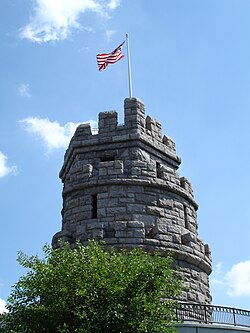
The geography of the area played a pivotal role during the American Revolution. Prospect Hill, due to its elevation and panoramic views, provided strategic control over Cambridge, Somerville, and Charlestown. This importance earned the hill the nickname "The Citadel." To commemorate the fortifications built there, a monument known as the castle was dedicated in 1903.
One of the most enduring local traditions involves the Continental Union Flag (the flag used by the United Colonies from 1775 to 1776). Local plaques and tradition suggest that George Washington raised this flag on Prospect Hill on January 1, 1776. However, some historians argue that the flag raised was actually a British Union Flag, which may have been mistaken for a gesture of loyalty to the Crown during a period when pardons were being offered to colonists.
Industrial Growth and the Evolution of the Square
As Somerville transitioned from an agricultural suburb—once known as "Milk Row" due to its surrounding small farms—into an industrial powerhouse, Union Square evolved. The opening of the Warren Bridge in 1828 significantly increased traffic along Washington Street and Somerville Avenue (formerly Charlestown Lane).
The arrival of the Fitchburg Railroad in 1843 and the subsequent opening of the Union Square station further accelerated growth. In 1874, the Boynton Yards area was created by filling swampy land with material excavated from Prospect Hill. This transformed the district into a manufacturing hub featuring glass shops, brickyards, and slaughterhouses.
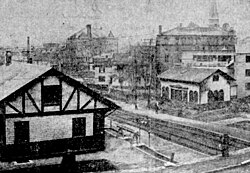
The square's name has shifted to reflect the political climate of the era. After 1853, it was called Liberty Pole Square, named for a pole erected by anti-slavery firemen. In 1861, it was renamed Union Square as a pro-reunification gesture during the American Civil War.
A Sweet Legacy
Union Square is also the birthplace of a beloved American treat. In 1917, the first store-bought Marshmallow Fluff was produced here. This legacy continues today through the annual Somerville Fluff Festival, held every year since 2006.
Modern Commerce and Urban Revitalization
Like many industrial centers, Union Square faced economic decline in the 20th century as manufacturing moved away and residents migrated to the suburbs. However, the late 20th and early 21st centuries brought a wave of revitalization. The city focused on Boynton Yards, improving infrastructure like South Street to attract new businesses, including Taza Chocolate and various breweries.
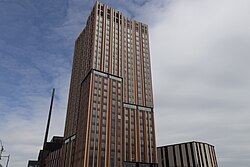
The area has also become a frontier for the life sciences industry. The city approved a cluster of laboratory-office buildings, with 101 South Street opening in 2022 and 808 Windsor expected in 2024.
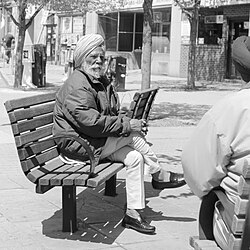
Demographically, Union Square has become a welcoming home for immigrant populations, particularly Brazilian, Punjabi, and Sikh residents, who have established diverse markets and businesses. This cultural richness exists alongside a trend of gentrification, with upscale cafes and restaurants appearing since the 1990s. Community-led efforts, such as the Saturday morning farmers' market started in 2005 and the creation of a landscaped community garden, have further enhanced the square's appeal.
Key Facts
- Original Name: Sand Pit Square, known for silica used in glass and brick-making.
- Strategic Site: Prospect Hill was known as "The Citadel" during the Revolutionary War.
- Flag Controversy: Tradition says George Washington raised the Continental Union Flag here in 1776, though some scholars believe it was a British Union Flag.
- Industrial Hub: Boynton Yards was created in 1874 using fill from Prospect Hill.
- Cultural Claim: The first store-sold Marshmallow Fluff was produced here in 1917.
- Transport History: The Union Square railroad station operated until 1938.
| Year/Period | Event/Development |
|---|---|
| 1770 | First tavern built in Sand Pit Square |
| 1776 | Traditional date of the Continental Union Flag raising |
| 1828 | Warren Bridge opens, increasing local traffic |
| 1843 | Fitchburg Railroad opens |
| 1861 | Renamed Union Square during the Civil War |
| 1917 | First commercial Marshmallow Fluff produced |
| 1938 | Railroad service to Union Square station ends |
| 2022 | 101 South Street life sciences building opens |
Frequently Asked Questions
Why was the area originally called Sand Pit Square?
It was named for the sandy pastures and clay pits that provided high-grade silica, which was used extensively in the making of bricks and glass.
What is the significance of Prospect Hill?
Prospect Hill provided a strategic vantage point over Charlestown, Somerville, and Cambridge during the Revolutionary War, leading it to be called "The Citadel." It is also the site of a monument dedicated in 1903.
Is the story about George Washington and the flag true?
While local tradition and a plaque state that George Washington raised the Continental Union Flag there on January 1, 1776, some scholars dispute this, suggesting it may have been a British Union Flag.
What is Boynton Yards?
Boynton Yards is an industrial area south of the rail line created in 1874 by filling swampy ground with soil from Prospect Hill. It originally housed meat packing, glass shops, and brickyards.
How has Union Square changed in recent years?
The area has transitioned from a declining industrial zone to a diverse commercial hub featuring immigrant-owned markets, upscale dining, and new life sciences laboratory offices.