
UPMC Center for Sports Medicine: World-Class Athletic Care and Research
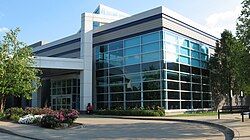
The UPMC Center for Sports Medicine stands as a premier destination for athletic care in the United States. Spanning 40,000 square feet, this facility is a key component of the UPMC Presbyterian Shadyside flagship system. It serves as the home for the University of Pittsburgh and UPMC's Sports Medicine program, boasting a medical faculty ranked 9th among the top orthopaedic programs in the nation by U.S. News & World Report.
Often referred to as "Freddie's building" due to the oversight of renowned orthopedic surgeon Freddie Fu, the center provides a centralized hub for elite recovery and performance. It offers on-site, comprehensive care for the Pittsburgh Steelers and the University of Pittsburgh Panthers, utilizing a multidisciplinary team of sports medicine physicians, orthopaedic surgeons, athletic trainers, and physical therapists.
Key Facts
- National Ranking: Medical faculty ranked 9th in the U.S. for orthopaedic programs.
- Facility Size: 40,000-square-foot main center with a 6,000-square-foot rehabilitation area.
- Specialized Care: Comprehensive services for professional, collegiate, and recreational athletes, as well as non-athletes.
- Advanced Tech: 34 exam rooms equipped with filmless digital radiology workstations for instant global consultation.
- Research Focus: Leading studies in concussion management, robotic surgery, and stem cell tissue regeneration.
Comprehensive Care and Specialized Services
The center employs a holistic approach to athlete health, integrating traditional orthopaedics with specialized support services. Beyond surgery and primary care, the full-time team includes experts in sport psychology, sports nutrition, sports massage therapy, and sports performance enhancement.
Sports Concussion Program
A critical component of the facility is the Sports Concussion Program, led by top researchers including Mark Lovell, Ph.D., who directs the neuro-cognitive testing programs for the NFL and NHL. The program focuses on developing precise methods to evaluate both short- and long-term effects of concussions, ensuring athletes only return to active play when it is medically safe.
Advanced Diagnostics and Imaging
To ensure accuracy in diagnosis, the center features private examination rooms and on-site digital x-ray units. It utilizes an open magnetic resonance imaging (MRI) unit specifically designed for musculoskeletal conditions—injuries affecting the muscles, ligaments, tendons, and bones. High-precision, web-based images are accessible across 34 exam rooms, allowing for immediate transmission and consultation with specialists worldwide.
Rehabilitation and Performance Enhancement
Recovery at the center is managed within a 6,000-square-foot physical therapy and rehabilitation area. This space is designed to transition an athlete from initial injury back to peak performance through targeted interventions.
Rehabilitation Facilities
- Therapeutic Pool: A 25-by-30-foot pool for low-impact recovery.
- Functional Gym: Equipped with circuit machines, free weights, and isokinetic and aerobic equipment.
- Plyometric Floor: A specialized area for plyometric training (explosive movements) to help athletes regain power and agility.
The Sports Performance Program
For those looking to optimize their physical capabilities, the center offers an individualized Sports Performance Program. This process typically begins with a neuro-musculoskeletal assessment in the Neuromuscular Research Laboratory. Depending on the athlete's needs, the program may include:
- Strength and conditioning
- Speed, agility, and joint stability improvements
- Injury prevention and weakness management
- Nutrition counseling and sport-specific skills training
Research and Global Impact
The UPMC Center for Sports Medicine is not only a treatment facility but a hub for scientific advancement. The center conducts major injury prevention studies focusing on shoulders, golf, cycling, and female knee ligaments. Additionally, it serves as a research center for stem cell tissue regeneration, robotic surgery, and human motion.
| Feature | Details |
|---|---|
| Total Facility Size | 40,000 sq ft |
| Rehab Area Size | 6,000 sq ft |
| Key Partnerships | Pittsburgh Steelers, Pitt Panthers |
| Diagnostic Tech | Open MRI, Digital X-ray, Filmless Workstations |
| Research Areas | Concussions, Robotic Surgery, Stem Cells, Human Motion |
Notable Patients
The center's reputation for excellence has attracted a diverse array of high-profile individuals. Notable patients have included sports legends such as Mario Lemieux, Dan Marino, Jerome Bettis, Greg Norman, and Tour de France winners Miguel Indurain and Greg LeMond. The facility has also served wrestler Kurt Angle, hurdler Roger Kingdom, ballet star Mikhail Baryshnikov, and actress Kathleen Turner, alongside athletes from the Pittsburgh Pirates, Pittsburgh Penguins, and Duquesne Dukes.
Frequently Asked Questions
Who can receive treatment at the UPMC Center for Sports Medicine?
The center serves a wide range of clients, including professional and elite athletes, college and high school athletes, recreational athletes, and non-athletes suffering from physical activity-related musculoskeletal injuries.
What makes the Sports Concussion Program unique?
The program is directed by leading researchers, including the director of the NFL and NHL's neuro-cognitive testing program, and focuses on developing rigorous evaluation methods to determine safe return-to-play timelines.
What is the purpose of the Neuromuscular Research Laboratory?
The laboratory is used to conduct advanced neuro-musculoskeletal assessments, which serve as the starting point for the center's individualized Sports Performance Programs.
What specialized equipment is available for rehabilitation?
The facility includes a 25-by-30-foot therapeutic pool, a functional gym with isokinetic and aerobic equipment, and a plyometric training floor designed to restore power and quick movement.
How does the center handle diagnostic imaging?
The center uses UPMC-developed filmless digital radiology workstations in 34 exam rooms, allowing high-precision X-ray and MRI images to be stored and transmitted globally for consultation.