
Viasat Operational Overview: Satellite Communications and Defense Technologies
Viasat operates as a global leader in satellite connectivity, bridging the gap in communication for aviation, maritime, and government sectors. By leveraging a sophisticated network of satellites and ground infrastructure, the company provides high-speed data and secure communications to users in the most remote environments on Earth.
The company structures its business into two primary reportable segments: Communication Services and Defense and Advanced Technologies. Together, these divisions allow Viasat to serve both the commercial market and high-security government requirements.
Key Facts
- Total Revenue (Fiscal 2026): Communication Services generated $3.30 billion, while Defense and Advanced Technologies generated $1.34 billion.
- Aviation Reach: Systems are active on approximately 4,580 commercial aircraft and 2,100 business jets.
- Maritime Scale: Ka-band services are provided to roughly 13,200 vessels.
- Fixed Broadband: The U.S. business serves approximately 130,000 subscribers.
- Network Diversity: Utilizes both Ka-band (high-capacity) and L-band (narrowband) satellite networks.
Communication Services
The Communication Services segment is the primary driver of Viasat's commercial presence, offering both broadband (high-speed) and narrowband (low-speed, high-reliability) satellite services. This segment focuses on delivering connectivity where traditional terrestrial networks are unavailable.
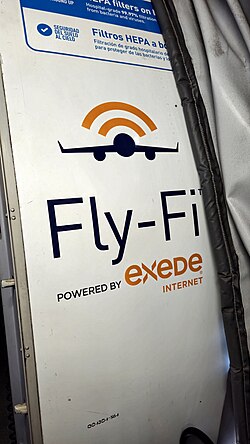
A major pillar of this division is in-flight connectivity. By integrating advanced satellite hardware into aircraft, Viasat enables passengers and crew to access high-speed internet during flight. As of March 31, 2026, these systems were operational on 4,580 commercial planes and 2,100 business jets.
Beyond the skies, Viasat extends its reach to the oceans and residential areas. The company provides Ka-band communications—a high-frequency spectrum that allows for faster data transfer—to approximately 13,200 vessels. Additionally, its U.S. fixed broadband business supports roughly 130,000 subscribers. To ensure safety and operational continuity, Viasat also utilizes an L-band network, acquired through Inmarsat, to provide narrowband mobile satellite services for aviation and maritime safety.
Defense and Advanced Technologies
While Communication Services focuses on connectivity, the Defense and Advanced Technologies segment focuses on security and specialized hardware. This division develops critical communications and cybersecurity products tailored for government and commercial clients.
The segment's expertise spans several high-tech business lines, including space and mission systems, tactical networking, and information security. By focusing on cyber defense, Viasat ensures that sensitive data remains protected from interception or attack.
The physical products developed by this segment are essential for modern defense infrastructure. These include:
- Encryption systems for secure data transmission.
- Satellite communications terminals and modems.
- Tactical networking equipment for field operations.
- Advanced antennas and satellite payload technologies (the electronics and hardware carried by a satellite to perform its mission).
In fiscal 2026, this specialized segment contributed $1.34 billion to the company's total revenue.
Operational Summary
| Metric | Communication Services | Defense & Advanced Tech |
|---|---|---|
| Annual Revenue | $3.30 Billion | $1.34 Billion |
| Primary Focus | Broadband/Narrowband Connectivity | Cybersecurity & Defense Hardware |
| Key Assets | Ka-band & L-band Networks | Encryption & Payload Tech |
| Commercial Reach | 6,680+ Aircraft / 13,200 Vessels | Government & Commercial Defense |
Frequently Asked Questions
What are the two main business segments of Viasat?
Viasat is divided into Communication Services, which handles satellite broadband and narrowband connectivity, and Defense and Advanced Technologies, which focuses on cybersecurity and government communications hardware.
How many aircraft use Viasat's connectivity services?
As of March 31, 2026, Viasat's systems were installed on approximately 4,580 commercial aircraft and about 2,100 business jets.
What is the difference between Ka-band and L-band services?
Ka-band is used for high-capacity broadband services, such as those provided to 13,200 vessels, while L-band is a narrowband service used primarily for safety and operational communications in aviation and maritime sectors.
What products does the Defense and Advanced Technologies segment produce?
This segment develops encryption systems, satellite communications terminals, modems, tactical networking equipment, antennas, and satellite payload technologies.
How much revenue did Viasat's segments generate in fiscal 2026?
The Communication Services segment generated $3.30 billion, and the Defense and Advanced Technologies segment generated $1.34 billion.