
Vicuña: A Hub of Pisco, Astronomy, and Culture
Nestled in a region defined by its stunning landscapes and clear skies, Vicuña stands as a vibrant center of economic production and cultural heritage. From its deep roots in agriculture to its status as a global destination for stargazing, the city offers a unique blend of tradition and science.
Economic Foundations and Industry
The economy of Vicuña is primarily driven by agriculture, with a strong focus on the cultivation of fruits, cereals, vegetables, and grapes. The region is particularly renowned as a major center for the production of pisco, a potent grape brandy. The Cooperativa Agrícola Pisquera Elqui Limitada (CAPEL) operates the primary distillery in the area, anchoring the local industry.
Beyond the vineyards, the local economy is supported by sheep ranching and the extraction of mineral resources, specifically iron and copper mining.
Astronomy and the Night Sky
Vicuña is world-famous for its exceptional atmospheric conditions, experiencing approximately 300 totally clear days and nights every year. This makes the area an ideal location for astronomical research and tourism.
Several large observatories are situated nearby. The Mammalluca Observatory, located 9 km north of the city, provides both educational and tourist programs for visitors wanting to explore the cosmos.
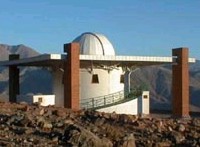
Additionally, the Cerro Tololo Inter-American Observatory offers daily visits to the public, further cementing the region's reputation as a gateway to the stars.
Cultural Heritage and Urban Landmarks
The urban landscape of Vicuña is characterized by architecture dating back to around 1900. The city is deeply connected to the legacy of Gabriela Mistral, the Nobel Prize laureate in Literature. Her influence is visible in the city's square, where ancient trees surround sculptures honoring her, as well as in the dedicated Gabriela Mistral museums.
Other notable architectural and cultural sites include:
- The Temple of the Immaculate Conception.
- The Bauer Tower, which currently serves as the local tourism office.
Tourism and the Route of the Grappa
Tourism has seen significant growth in recent years, bolstered by the development of high-quality hotels and restaurants. One of the most popular attractions is the Route of the Grappa, located a few kilometers outside of town. This route allows visitors to tour various pisqueras (pisco factories), including:
- Ruta Norte
- Capel
- Mistral
- Tres Erres
- Artesanos de Cochiguaz
Key Facts
- Climate: Approximately 300 clear nights and days annually.
- Primary Industry: Pisco production, led by CAPEL.
- Mining: Focuses on copper and iron.
- Cultural Icon: Home to museums and monuments for Nobel laureate Gabriela Mistral.
- Astronomy: Home to Mammalluca and Cerro Tololo observatories.
| Category | Key Details |
|---|---|
| Main Agricultural Products | Grapes, fruits, cereals, and vegetables |
| Major Pisco Producers | CAPEL, Ruta Norte, Mistral, Tres Erres, Artesanos de Cochiguaz |
| Key Observatories | Mammalluca, Cerro Tololo |
| Historical Era | Buildings dating from circa 1900 |
Frequently Asked Questions
What is the main economic activity in Vicuña?
The economy centers on agriculture—specifically grapes, fruits, cereals, and vegetables—alongside pisco production, sheep ranching, and iron and copper mining.
Who is Gabriela Mistral and why is she important to Vicuña?
Gabriela Mistral was a Nobel Prize winner in Literature. The city honors her with dedicated museums and sculptures in the main square.
What is the Route of the Grappa?
It is a tourist route located a few kilometers outside of town where visitors can visit various pisco factories, known as pisqueras.
Why is Vicuña a good place for astronomical observatories?
The area is ideal for astronomy because it experiences approximately 300 totally clear days and nights per year.
Which observatories can tourists visit?
Tourists can visit the Mammalluca Observatory, which offers educational programs, and the Cerro Tololo Inter-American Observatory, which offers daily visits.