
Vietnam: A Journey Through History, Geography, and Economic Growth
Located on the eastern edge of the Indochinese Peninsula—a landmass in Southeast Asia—Vietnam is a nation defined by its resilience and strategic location. With a population exceeding 98 million people, it currently stands as the 15th most populous country globally, blending a rich cultural heritage with a rapidly evolving modern economy.
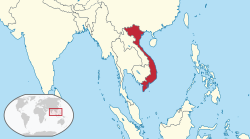
Geography and Borders
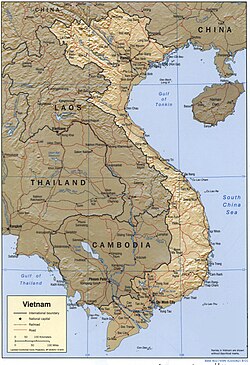
Vietnam occupies a unique position in Southeast Asia, sharing land borders with three different nations. To the north, it is bordered by China, while Laos lies to the northwest and Cambodia to the southwest. Its eastern coastline is defined by the South China Sea, providing the country with significant maritime access.
A Complex Historical Legacy
The trajectory of Vietnam's sovereignty has been shaped by centuries of struggle and adaptation. For a millennium, the region was under Chinese control before emerging as a distinct nation-state in the 10th century. Following this independence, various dynasties flourished, expanding the country's political and geographic reach further into Southeast Asia.
This era of dynastic growth was interrupted in the mid-19th century when Vietnam was colonized by the French. Resistance against colonial rule persisted for decades, eventually leading to the expulsion of French forces in the mid-20th century. However, this victory left the nation politically fractured into two separate entities.
The subsequent conflict, known as the Vietnam War, was characterized by bitter fighting between these two sides. The war concluded in 1975 with a communist victory, reunifying the country but leaving it war-ravaged and politically isolated.
Economic Transformation and Global Integration
In the immediate aftermath of the war, Vietnam struggled with reconstruction. The government's reliance on centrally planned economic decisions—a system where the state determines production and pricing—hindered growth, while political tensions persisted between the victors and the defeated.
A pivotal shift occurred in 1986 when the government instituted comprehensive economic and political reforms. These changes marked the beginning of a journey toward international reintegration. By the year 2000, Vietnam had successfully established diplomatic relations with the majority of the world's nations.
Over the last decade, Vietnam has experienced some of the highest economic growth rates in the world. This upward trajectory was solidified by two major international milestones: joining the World Trade Organization (WTO) in 2007 and serving as a non-permanent member of the United Nations Security Council in 2008.
Key Facts
- Global Population Rank: 15th most populous country.
- Total Population: Over 98 million.
- Regional Location: Eastern Indochinese Peninsula, Southeast Asia.
- Key Borders: China (North), Laos (Northwest), Cambodia (Southwest).
- Major Economic Milestone: Joined the WTO in 2007.
| Category | Details |
|---|---|
| Bordering Countries | China, Laos, Cambodia |
| Major Water Body | South China Sea |
| Colonial Period | French (mid-19th to mid-20th century) |
| Reunification Year | 1975 |
| Reform Year | 1986 |
Frequently Asked Questions
Where is Vietnam located?
Vietnam is a sovereign country located on the eastern extent of the Indochinese Peninsula in Southeast Asia.
Who are Vietnam's neighbors?
Vietnam is bordered by China to the north, Laos to the northwest, and Cambodia to the southwest, with the South China Sea to the east.
When did Vietnam gain independence from French colonial rule?
The French were expelled from Vietnam in the mid-20th century following sustained efforts of resistance.
What happened in 1975 in Vietnamese history?
The Vietnam War ended in 1975 with a communist victory, which reunified the politically divided nation.
What were the 1986 reforms?
In 1986, Vietnam instituted economic and political reforms to move away from centrally planned economic decisions and begin reintegrating into the international community.
When did Vietnam join the World Trade Organization?
Vietnam officially joined the World Trade Organization in 2007.