
Vigils: The History and Practice of Purposeful Wakefulness
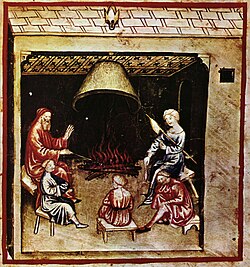
A vigil is a period of intentional sleeplessness, characterized by devotional watching or a formal observance. Derived from the Latin vigilia (meaning "wakefulness") and the Greek terms pannychis or agrypnia, the practice transcends simple insomnia. It is a purposeful act of remaining awake for spiritual, commemorative, or social reasons. In modern Italian, the word vigilia has evolved to mean "eve," reflecting the tradition of preparing for a significant event the night before.
Key Facts
- Etymology: Rooted in the Latin vigilia, meaning wakefulness.
- Religious Use: Often held on the eve of major festivals to prepare for a holy day.
- Death Rituals: Used in Jewish and Christian traditions to ensure a body is never left alone.
- Historical Tradition: Medieval squires held all-night vigils before being knighted.
- Modern Application: Used as a tool for peaceful protest and public mourning in secular contexts.
Religious Observances and Liturgical Vigils
In many faith traditions, a vigil is held on the eve of a major religious festival, known as a feast day. These observances are designed as devotional exercises, where participants remain "watchful" through the night. Liturgical vigils typically incorporate psalms, prayers, hymns, silent meditation, and readings from the Holy Fathers or sermons.
The practice of beginning celebrations on the evening before the actual holy day stems from the Early Church's adoption of the Jewish tradition, which marks the start of a new day at sunset rather than midnight.
Denominational Practices
- Catholic, Lutheran, Anglican, and Methodist: Commonly observe vigils on Holy Days.
- Eastern Orthodox: Conducts an All-Night Vigil—comprising Great Vespers, Matins, and the First Hour—on Sundays and Major Feast Days.
- Methodist: Celebrates Watchnight Vigil services specifically on New Year's Eve.
The most prominent example is the Easter Vigil, occurring between Holy Saturday and Easter Sunday. Similarly, the Midnight Mass on Christmas Eve serves as a remnant of this ancient practice of nocturnal reflection.
Vigils and the Transition of Death
Vigils serve as a critical bridge between life and death in various cultures, ensuring that the deceased or the dying are not left solitary.
Jewish and Christian Traditions
In Jewish tradition, a watch is kept over the body, during which Tehillim (Psalms) are recited constantly until the burial service. In Roman Catholic and Eastern Orthodox traditions, vigils are held for those who are gravely ill or as part of the mourning process. These periods involve prayers and the making of votives, extending from the moment of death until the burial.
The Knight's Vigil in the Middle Ages
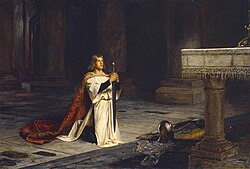
Beyond religious piety, the vigil was a rite of passage for the medieval warrior. Before a squire could be elevated to the rank of knight, he was required to undergo a rigorous preparation on the night preceding the ceremony. This process included a cleansing bath, fasting, and confession, culminating in an all-night vigil of prayer in a chapel to prepare himself for the responsibilities of knighthood.
Modern Mourning, Remembrance, and Protest
In contemporary society, particularly in the United States and Australia, the vigil has evolved into a powerful tool for public expression. These gatherings often take place in public spaces as a form of peaceful protest or collective mourning.
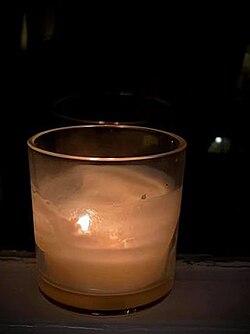
Modern vigils are frequently organized to commemorate victims of mass shootings or to protest police violence and war. While they may include religious elements like prayer or song, many are entirely secular. These events typically begin with a speech or announcement and may be characterized by silence, chanting, or the lighting of candles.
| Type of Vigil | Primary Purpose | Common Activities |
|---|---|---|
| Liturgical | Spiritual preparation for feast days | Psalms, hymns, meditation |
| Death/Funeral | Comfort and companionship for the deceased | Prayer, recitation of Tehillim |
| Chivalric | Preparation for knighthood | Fasting, confession, prayer |
| Public/Secular | Protest or collective remembrance | Speeches, silence, candlelight |
Frequently Asked Questions
What is the difference between a vigil and a wake?
While both involve staying with a deceased person, a vigil is a broader term for any period of purposeful wakefulness for devotional or commemorative reasons, whereas a wake specifically refers to the watch kept over a body before burial.
Why do some religious vigils start the evening before the holiday?
This practice follows the tradition of the Early Church and Jewish custom, where the new day is considered to begin at sunset rather than at midnight.
Are all modern public vigils religious?
No. While some may include prayer, many modern public vigils are completely secular and serve as a means of peaceful protest or community mourning.
What did a medieval squire do during his vigil?
A squire would fast, bathe, and make a confession before spending the entire night in prayer within a chapel to prepare for his knighting ceremony.
What is an All-Night Vigil in the Eastern Orthodox Church?
It is a specific liturgical service held on the eves of Sundays and Major Feast Days, consisting of Great Vespers, Matins, and the First Hour.