
Viñales Valley: A Blend of Traditional Agriculture and Natural Wonders
Nestled in a landscape of striking geological formations, the Viñales Valley stands as a testament to the enduring harmony between human tradition and the natural world. From its world-renowned tobacco plantations to its towering limestone cliffs, the valley offers a unique glimpse into a way of life that has remained largely unchanged for centuries.
Traditional Agriculture and Tobacco Production
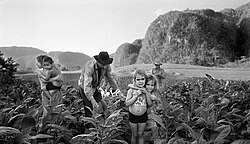
The valley floor is primarily dedicated to the cultivation of tobacco and various other crops. Unlike many modern agricultural hubs, Viñales relies on traditional agriculture techniques—labor-intensive methods that have been passed down through generations. These manual processes are credited with producing a higher quality of tobacco compared to the results achieved through mechanical farming methods.
Cultural Heritage and Architecture
The human history of the valley is as layered as its soil. Small farms and villages dot the landscape, some of which have been inhabited since the era of the conquistadores (Spanish conquerors). Visitors can still find examples of vernacular colonial-era architecture, reflecting the region's historical roots.
The local culture is a rich tapestry woven from diverse influences, including the indigenous peoples, enslaved black Africans and their free descendants, and Spanish colonizers, followed by later European arrivals.
Geological Marvels: Mogotes and Caves
The most defining physical characteristic of the region is the presence of mogotes. These are conspicuous limestone mounds that rise abruptly from the valley floor like islands, reaching heights of up to 300 meters.
Beyond the surface, the surrounding hillfaces provide entry to an extensive network of caves. Among the most notable are the Cueva del Indio and the Cueva de José Miguel, which offer a subterranean look at the valley's limestone geography.
Tourism and Outdoor Adventure
Today, Viñales is a premier destination for travelers seeking outdoor activity. While hiking remains a staple, the region has seen a surge in rock climbing since the early 21st century. The discovery of numerous new climbing routes has stimulated local tourism, drawing adventurers from around the world to scale the valley's unique limestone formations.
Key Facts
- Primary Crop: High-quality tobacco grown via traditional, non-mechanical methods.
- Geological Feature: Mogotes (limestone mounds) reaching up to 300m in height.
- Notable Caves: Cueva del Indio and Cueva de José Miguel.
- Cultural Influence: A mix of Indigenous, African, and European (Spanish) heritage.
- Main Activities: Hiking and rock climbing.
| Category | Details |
|---|---|
| Agriculture | Traditional, labor-intensive tobacco farming |
| Landforms | Limestone mogotes and cave systems |
| Architecture | Vernacular colonial-era styles |
| Tourism Focus | Hiking and rock climbing |
Frequently Asked Questions
Why is tobacco in Viñales considered higher quality?
The quality is attributed to the use of traditional, labor-intensive agriculture techniques rather than mechanical methods.
What are mogotes?
Mogotes are the distinctive limestone mounds that rise from the valley floor, some reaching heights of 300 meters.
Which caves are most famous in the area?
The Cueva del Indio and Cueva de José Miguel are two of the most prominent caves accessible from the hillfaces.
What influences shaped the culture of the valley?
The culture was influenced by a mixture of indigenous peoples, enslaved black Africans and their free descendants, Spanish colonizers, and later Europeans.
What activities can tourists do in Viñales?
The valley is a major destination for hiking and rock climbing, with the latter seeing significant growth in the early 21st century.