
Water Bottle Types: Comparing Materials, Filtration, and Technology
From the convenience of a quick store-bought bottle to high-tech filtration systems for wilderness exploration, the variety of water containers available today is vast. Choosing the right bottle depends on a balance of portability, durability, health considerations, and environmental impact. Whether you are looking for a daily commuter bottle or a heavy-duty hydration system, understanding the materials and technologies involved is key to making an informed choice.
Key Facts
- Single-use plastics are driven by convenience, with Mexico having the highest per capita consumption globally.
- Reusable plastics are often made from HDPE, LDPE, polypropylene, or copolyester and are typically BPA-free.
- Metal bottles (stainless steel or aluminum) are durable, though some require liners to prevent metallic tastes.
- Glass is highly prized for being recyclable and chemically inert, meaning it does not transfer tastes or odors.
- Filtration bottles use carbon to improve taste or UV light to eliminate water-borne pathogens.
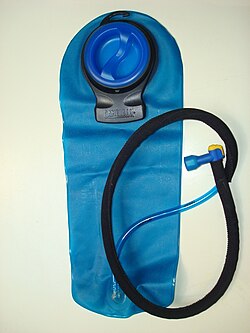
- Hydration reservoirs allow for high-volume water carry and hands-free drinking via a sipping tube.
Single-Use Plastic Bottles
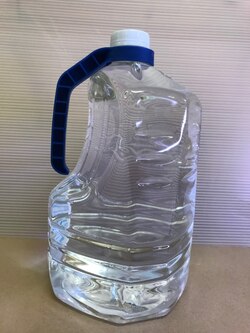
Single-use, pre-filled plastic water bottles have seen a steady increase in sales for over a decade. In the United States, spending on these products exceeded US$ 11 billion in 2011. According to the International Bottled Water Association (IBWA), this trend is driven primarily by the need for portability and convenience.
In regions where tap water quality is poor, bottled water becomes a health necessity. Mexico serves as a primary example; as of 2010, the country saw an average annual increase of 8 percent in purchases. Mexican citizens consume an average of 61.8 gallons per person annually—more than double the per capita consumption in the US. While this has increased litter problems, it has simultaneously slowed the growth of soft drink consumption.
Reusable Plastic Options
Multi-use plastic bottles are designed for longevity and are generally dishwasher-safe and BPA-free (free of Bisphenol A, a chemical used in some plastics). These bottles are typically manufactured from one of four materials, which differ mainly in their flexibility:
- Copolyester and Polypropylene: These provide the highest level of rigidity.
- High-Density Polyethylene (HDPE): Offers a balance of strength and some flexibility.
- Low-Density Polyethylene (LDPE): Highly flexible, making it the standard choice for collapsible squeeze bottles.
Metal Water Bottles
Metal bottles, primarily made from aluminum or stainless steel, are popular due to their durability and ability to resist odors better than plastic. However, some metals can impart a metallic taste to the water. To prevent this, many manufacturers include a resin or epoxy liner. While most modern liners are BPA-free, older or cheaper models may still contain it.
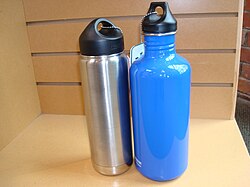
Material choice affects safety and taste. Aluminum bottles should not be filled with acidic liquids, such as orange juice, as this can cause the metal to leach into the drink. Similarly, unlined stainless steel can sometimes transfer a rusty taste. To avoid this, consumers look for food-grade stainless steel (grade 304 or 18/8), which does not transfer taste or odor.
Insulation and Temperature
Single-walled metal bottles transfer the internal temperature to the outside surface, making them unsuitable for very hot or cold liquids. Double-walled bottles solve this through vacuum insulation (or occasionally gel/solid insulation), keeping liquids at their desired temperature while protecting the user's hand. Because they require more material, double-walled bottles are more expensive.
Glass Water Bottles
Glass is a preferred choice for health-conscious consumers because it is completely recyclable, BPA-free, and does not retain or transfer tastes. While glass has been used since ancient times, bulk manufacturing became common during the Early Modern period.
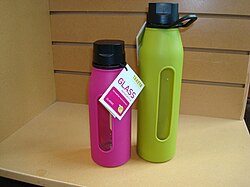
The primary drawbacks of glass are its weight and fragility. Like single-walled metal, glass has high temperature transfer. To mitigate breakage, some vacuum-insulated flasks use an inner glass layer protected by an outer shell of metal or plastic. Some high-end coffee flasks use a triple-layer design with glass encased in two layers of plastic for maximum protection and insulation.
Specialized Filtration and Tech Bottles
For those in environments with questionable water quality, filtration bottles provide a portable solution. These typically fall into two categories:
- Carbon Filtration: Uses activated charcoal to remove organic chemicals and improve taste and odor. It does not, however, remove nitrates, metals, or pathogens.
- UV Filtration: Uses ultraviolet light to purify water, which is effective against all water-borne pathogens. These are ideal for travelers in areas where safe water is scarce.
Wirelessly Connected Bottles
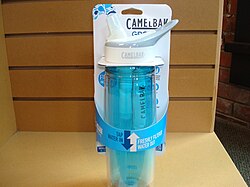
Integrating the Internet of Things (IoT) and the "quantified self" movement, connected bottles track water intake and send data to smartphones via Bluetooth. These devices can alert users when they are dehydrated or allow them to customize UV disinfection times. While these concepts exist, they have seen limited commercial availability.
Hydration Reservoirs
Hydration reservoirs, or bladders, are large, flexible bags designed to fit inside backpacks. Instead of unscrewing a cap, the user drinks through a sipping tube. This system is preferred for long hikes or intense activities because it allows for a larger water supply and seamless integration into carrying equipment.
Comparison Summary
| Type | Primary Materials | Key Advantage | Main Drawback |
|---|---|---|---|
| Single-Use | PET Plastic | Extreme portability | Environmental litter |
| Reusable Plastic | HDPE, LDPE, Polypropylene | Lightweight & durable | Less rigid than metal/glass |
| Metal | Stainless Steel, Aluminum | Durability & insulation | Potential metallic taste |
| Glass | Borosilicate/Soda-lime | Pure taste & recyclable | Fragile & heavy |
| Filtering | Carbon/UV Systems | Water purification | Limited filter lifespan |
| Reservoir | Flexible Plastic/TPU | High volume & hands-free | Requires a backpack |
Frequently Asked Questions
What is the difference between carbon and UV filtration?
Carbon filtration uses activated charcoal to improve the taste and odor of water by removing organic chemicals, but it cannot kill pathogens. UV filtration uses ultraviolet light to eliminate all water-borne pathogens, making it safer for drinking water from unknown sources.
Are all metal bottles safe for acidic drinks?
No. Aluminum bottles can leach metal into the contents if filled with acidic liquids like orange juice. Stainless steel bottles, particularly food-grade 304 (18/8), are generally safer and do not transfer taste or odor.
Why are double-walled bottles more expensive?
Double-walled bottles use more material and a more complex manufacturing process to create a vacuum or insulation layer between two walls. This allows them to maintain the temperature of the liquid inside without transferring that heat or cold to the exterior surface.
Which plastic is best for a collapsible bottle?
Low-Density Polyethylene (LDPE) is the best choice for collapsible or squeeze bottles because it is the most flexible of the common reusable plastics.
Do glass bottles provide better insulation than metal?
Generally, no. Glass has a high level of temperature transfer. However, some specialized flasks use a glass inner liner combined with metal or plastic outer layers to provide both purity of taste and thermal insulation.