
Wellington Boots: From Military Fashion to Industrial Essential
Few items of clothing are as ubiquitous in the British countryside or as essential in industrial workplaces as the Wellington boot. Known for their waterproof nature and rugged durability, these boots evolved from a high-fashion modification for a war hero into a global standard for wet-weather protection.
The Origins of the Wellington
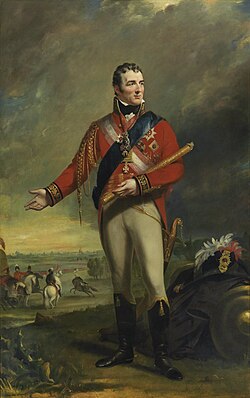
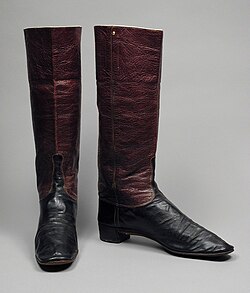
The story begins with the Duke of Wellington, who sought a modification of the 18th-century Hessian boot—a formal style characterized by its distinctive tassel. He instructed his shoemaker, Hoby of St. James's Street in London, to create a more practical version. The resulting design removed the trim, used soft calfskin leather, and featured a closer fit around the leg with a low, stacked heel of approximately one inch (2.5 centimetres), ending at the mid-calf.
This new design struck a perfect balance: it was hard-wearing enough for riding yet sophisticated enough for informal evening wear. The boot was named the "Wellington," and the term has remained the standard English name for such footwear ever since.
A Symbol of Status and Style
The boots quickly became a trend among patriotic British gentlemen who wished to emulate the Duke. While some viewed them as foppish, they were embraced by dandies—men obsessed with refined elegance—such as Beau Brummell. Wellingtons remained a dominant men's fashion through the 1840s. By the 1850s, the calf-high version became more common, and by the 1860s, they were largely replaced by ankle boots, except when used for riding.
Interestingly, the Duke of Wellington is one of only two British Prime Ministers to have an item of clothing named after him, the other being Sir Anthony Eden. Other political figures left similar marks: Sir Winston Churchill gave his name to a cigar, and William Gladstone, who served as Prime Minister four times between 1868 and 1894, is the namesake of the Gladstone Bag.
The Shift to Rubber and World War I
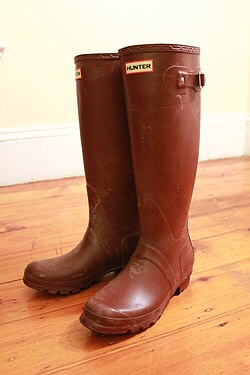
The transition from leather to rubber was driven by the brutal conditions of World War I. The flooded and muddy trenches of Europe demanded footwear that could keep soldiers dry. The War Office commissioned the North British Rubber Company (now known as Hunter Boot Ltd) to develop a suitable boot.
Production scaled rapidly, with mills operating day and night to meet the demand. In total, 1,185,036 pairs of these rubber trench boots were manufactured for the British Army.
World War II and Post-War Expansion
During World War II, Hunter Boot was again called upon to provide vast quantities of Wellington and thigh boots, particularly for British forces operating in the flooded regions of the Netherlands. During this era, 80% of the company's production was dedicated to war materials, including gas masks, life belts, and rubber ground sheets.
By 1945, the Wellington had transitioned into a general-purpose boot for men, women, and children. The design evolved to be roomier, featuring a rounded toe and a thicker sole. Due to wartime rationing, laborers also began adopting them for daily work.
Industrial Evolution and Modern Usage
The shift toward rubber over leather was cemented by the lower cost of manufacture and total waterproof capability. This made the Wellington the preferred choice for various industries. To meet increasing occupational health and safety standards, the steel-toe or steel-capped Wellington was introduced. This internal capping protects the foot from puncture and crush injuries.
While traditionally made of steel, modern reinforcements may use composite materials or thermoplastic polyurethane (TPU). These safety boots are now mandatory in many industrial sectors to comply with insurance and safety legislation.
Cultural Impact and Fashion
In 1955, Hunter Boot Ltd introduced green Wellington boots, which eventually became a symbol of "country life" in the UK. The boots saw a massive surge in popularity in 1980 after Lady Diana Spencer was photographed wearing them on the Balmoral estate during her courtship with Prince Charles. Today, they remain a staple of the Glastonbury festival, blending practical necessity with fashion trends.
Key Facts
- Origin: Modified from the 18th-century Hessian boot by the Duke of Wellington.
- WWI Production: 1,185,036 pairs produced by the North British Rubber Company for the British Army.
- WWII Focus: 80% of Hunter Boot's production was dedicated to war materials.
- Safety Innovation: Introduction of steel or TPU toe-capping for industrial protection.
- Cultural Icon: Green Hunter boots became a symbol of British country life, boosted by Princess Diana in 1980.
| Era | Primary Material | Primary Use | Key Characteristic |
|---|---|---|---|
| Early 19th Century | Calfskin Leather | Riding & Fashion | Close fit, low stacked heel |
| World War I | Rubber | Military (Trenches) | Mass-produced waterproofs |
| Post-WWII | Rubber | Labor & General Use | Roomier fit, thick soles |
| Modern Era | Rubber/Composite | Industrial & Leisure | Steel/TPU toe caps; fashion icon |
Frequently Asked Questions
Who originally designed the Wellington boot?
The Duke of Wellington commissioned his shoemaker, Hoby of St. James's Street, to modify the tasselled Hessian boot into a more practical, close-fitting calfskin leather boot.
Why did the boots switch from leather to rubber?
The switch was driven by the need for entirely waterproof footwear during World War I to protect soldiers in the muddy and flooded trenches of Europe.
What is the purpose of a steel-toe Wellington?
Steel-toe or composite-capped boots are designed for occupational health and safety, protecting the wearer's feet from crush and puncture injuries in industrial environments.
How did Princess Diana influence the popularity of Wellington boots?
In 1980, photos of Lady Diana Spencer wearing Hunter boots on the Balmoral estate caused sales to skyrocket, cementing the boots as a fashion statement for country life.
Which other British Prime Ministers have clothing named after them?
Sir Anthony Eden is the only other British Prime Minister to have an item of clothing (the Anthony Eden hat) named after him.