
West Bengal Tourism: A Journey Through Culture, Heritage, and Nature
West Bengal is a land of profound contrasts, where the snow-capped peaks of the Himalayas meet the lush mangroves of the Bay of Bengal. From the bustling urban energy of Kolkata to the serene tea gardens of Darjeeling, the state offers a rich tapestry of spiritualism, colonial history, and natural beauty. Whether you are a seeker of peace, a history enthusiast, or a foodie, West Bengal provides an immersive experience into the heart of Bengali heritage.
Key Facts
- Seven Wonders: Includes the Sundarbans, Victoria Memorial, and the Darjeeling Himalayan Railway.
- Cultural Hubs: Shantiniketan and Jorasanko Thakur Bari celebrate the legacy of Rabindranath Tagore.
- Spiritual Diversity: Home to Adi Shakta pithas, historic mosques, Buddhist monasteries, and colonial churches.
- Culinary Fame: Renowned for milk-based sweets like Rôshogolla and winter specialties like Pitha.
- Natural Diversity: Ranges from the hill stations of Kalimpong to the coastal strips of Digha and Mandarmani.
The Seven Wonders of West Bengal
Following a nationwide campaign by NDTV and the Ministry of Tourism (Government of India) in 2008-09, seven iconic sites were voted as the Seven Wonders of West Bengal. These landmarks represent the pinnacle of the state's architectural and natural grandeur.
| Wonder | Category |
|---|---|
| Sundarbans | Natural / Mangroves |
| Victoria Memorial | Colonial Architecture |
| Darjeeling Himalayan Railway ("Toy Train") | Heritage Transport |
| Bishnupur Terracotta Temples | Traditional Architecture |
| Acharya Jagadish Chandra Bose Indian Botanic Garden (The Great Banyan Tree) | Botanical / Nature |
| Howrah Bridge | Engineering / Landmark |
| B. B. D. Bagh (Formerly Dalhousie Square) | Historical Site |
Regional Attractions and Natural Beauty
The Northern Highlands and Plains
The north is dominated by the scenic beauty of Darjeeling and Kalimpong. The Darjeeling Himalayan Railway, known as the Toy Train, is a primary attraction. Other notable sites include Morgan House and the Cooch Behar Palace. For wildlife enthusiasts, the Alipurduar and Jalpaiguri districts house the Jaldapara and Gorumara National Parks.
The Coastal Belt and Deltas
To the south, West Bengal meets the Bay of Bengal. The coastal strip features beautiful settlements such as Digha, Mandarmani, Shankarpur, Bakkhali, Gangasagara, and Tajpur. The most famous natural wonder here is the Sundarbans, a vast delta and national park known for its unique ecosystem.
The Heart of Kolkata and Surrounds
Kolkata, the state capital, is a center of colonial history and social reform. Key landmarks include the Victoria Memorial, St. Paul's Cathedral, and the iconic Howrah Bridge. The city is also home to the Eden Gardens stadium and the Salt Lake Stadium in Bidhannagar.
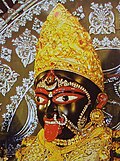
The spiritual landscape of the region is highlighted by the Dakshineswar Kali Temple, where the idol of Goddess Bhavatarini is revered.
Spirituality and Architecture
West Bengal is a major pilgrimage destination for various faiths. It is home to several Shakta pithas (sacred sites dedicated to the Goddess), including the Kalighat Kali Temple and Dakshineswar. Other significant Hindu sites include the Tarapith, Mayapur ISKCON Temple, and the Hangseshwari Temple.
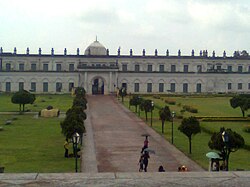
Islamic architecture is prominently represented by the Nizamat Imambara and Katra Mosque in Murshidabad, as well as the Tipu Sultan Shahi Mosque in Kolkata.
The state also hosts various Christian churches, such as the Basilica of the Holy Rosary in Bandel and St. Paul's Cathedral. In the hilly regions, Buddhist Monasteries like Ghoom and Bhutia Busty offer a peaceful retreat.
Culture, Arts, and Traditions
Intellectual and Artistic Legacy
The state is the birthplace of Rabindranath Tagore, Asia's first Nobel laureate, and Swami Vivekananda, who introduced Vedanta and Yoga to the West. Their residences, such as Shantiniketan and Jorasanko Thakur Bari, remain world-famous tourist destinations.
Shantiniketan is particularly known for its Basanta-Utsab (Spring Festival) and the winter Poush Mela.
Festivals and Folklore
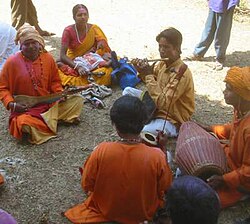
The most popular celebration is Durga Puja in October. Other significant festivals include Poila Baishakh (Bengali New Year), Rathayatra, Kali Puja, and Christmas (known as Bôŗodin). The state's culture is deeply rooted in folklore, music, and drama based on Hindu epics and Puranas.
Handicrafts and Agriculture
West Bengal is famous for its Geographical Indications, including Darjeeling tea and various handicrafts like Nakshi kantha, Santipore, Baluchari, and Dhaniakhali sarees, as well as Shantiniketan leather goods. The region is also prized for its mangoes, specifically the Fazli, Himsagar, and Laxman Bhog varieties.
Culinary Delights
Bengali cuisine is celebrated for its distinctive milk-based sweets, including Rôshogolla, Chômchôm, Kalojam, and various types of Sondesh. During the winter, Pitha (a type of sweet cake or dimsum) is a seasonal specialty.

Other traditional treats include coconut-naru and payesh, typically prepared during Lakshmi Puja. For those exploring the streets of Kolkata, popular snacks include Aloor Chop, Beguni, Kati rolls, and phuchka.
Frequently Asked Questions
What are the Seven Wonders of West Bengal?
The Seven Wonders include the Sundarbans, Victoria Memorial, Darjeeling Himalayan Railway, Bishnupur Terracotta Temples, the Acharya Jagadish Chandra Bose Indian Botanic Garden (with the Great Banyan Tree), Howrah Bridge, and B. B. D. Bagh.
Which are the most famous sweets from West Bengal?
The state is most famous for milk-based sweets such as Rôshogolla, Chômchôm, Kalojam, and Sondesh, as well as winter specialties like Pitha.
Who are the most notable historical figures associated with West Bengal?
Key figures include Rabindranath Tagore, Asia's first Nobel laureate, and Swami Vivekananda, as well as social reformers like Raja Ram Mohan Ray and Iswar Chandra Vidyasagar.
What is the most popular festival in West Bengal?
Durga Puja, celebrated in October, is the most popular festival in the state, followed by other significant events like Poila Baishakh and Kali Puja.
Where can one find Buddhist monasteries in West Bengal?
Buddhist monasteries are primarily located in the hilly regions, with notable examples being the Ghoom Monastery and the Bhutia Busty Monastery.