
Western Front: The Brutal Stalemate of World War I
The Western Front was one of the primary theaters of war during World War I, characterized by a grueling war of attrition that spanned from August 2, 1914, to November 11, 1918. Stretching across Western Europe—including Belgium, North-Eastern France, Alsace-Lorraine, Luxembourg, and western Germany—this front became the symbol of the conflict's industrial scale and human cost.
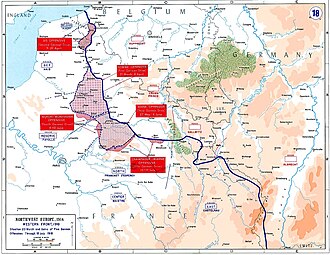
The conflict began when the German Army invaded Luxembourg and Belgium to gain control of France's industrial heartlands. However, this rapid advance was halted at the Battle of the Marne. What followed was the "Race to the Sea," as both sides attempted to outflank one another, eventually resulting in a meandering line of fortified trenches that stretched from the North Sea to the Swiss frontier.
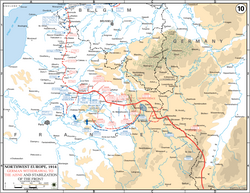
Key Facts
- Duration: August 2, 1914 – November 11, 1918.
- Primary Combatants: The Allied Powers (led by France, UK, and later the US) against the Central Powers (led by Germany).
- Defining Feature: Trench warfare, where soldiers lived and fought in deep, fortified ditches.
- Outcome: Allied victory, finalized by the Armistice of November 11, 1918, and the Treaty of Versailles in 1919.
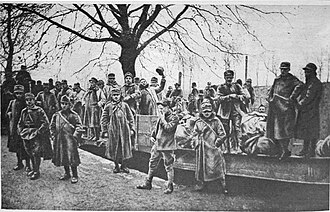
- Scale of Loss: Millions of military casualties on both sides, including over 2 million dead for the Entente and nearly 1.5 million for the Central Powers.
The Evolution of Trench Warfare (1914–1916)
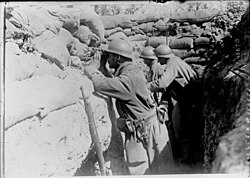
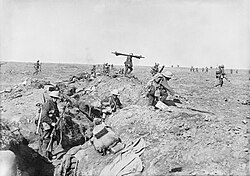
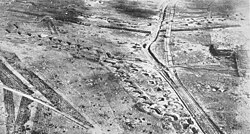
By late 1914, the war had shifted from a mobile conflict to a static one. Trench warfare—the use of deep, narrow ditches to protect soldiers from enemy fire—became the dominant tactical reality. These fortifications created a deadly stalemate where any attempt to "go over the top" (attack across no-man's-land) often resulted in catastrophic losses.
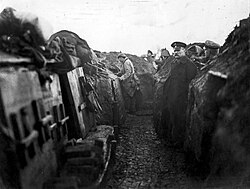
As the war progressed into 1915 and 1916, new and terrifying technologies were introduced to break the deadlock. This included gas warfare (the use of chemical agents) and the emergence of air warfare. Major battles of attrition, such as the Battle of Verdun and the Battle of the Somme, saw hundreds of thousands of casualties for very small territorial gains.
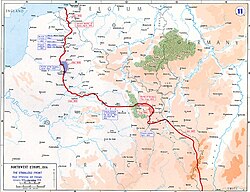
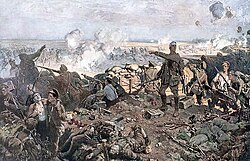
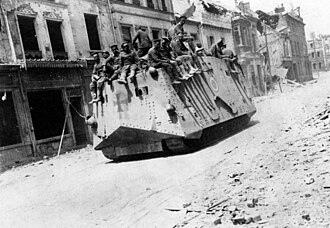
During these years, the fighting was characterized by intense artillery bombardments and the first large-scale use of tanks. The Canadian Corps, for example, played a significant role in battles such as the Second Battle of Ypres.
Strategic Shifts and the Hindenburg Line (1917)
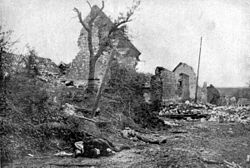
In early 1917, the German Army implemented a strategic withdrawal to the Hindenburg Line. This was a heavily fortified defensive system built between 2 and 30 miles behind the original front line. To ensure the Allies gained nothing from the territory they reclaimed, the Germans employed a scorched-earth policy, leaving behind a "supply desert."
The British Army, which had grown to two-thirds the size of the French force by 1917, launched several offensives. The Battle of Arras and the capture of Vimy Ridge by the Canadian Corps and the 5th Division of the First Army marked some of the deepest advances seen since the start of trench warfare. However, German reinforcements quickly adapted, leading to high daily loss rates for the British.
The Final Push and Allied Victory (1918)
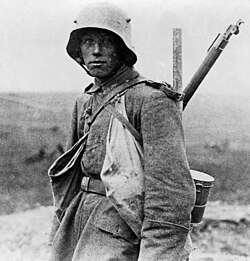
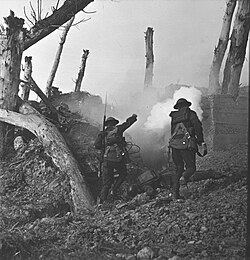
The year 1918 saw a final series of dramatic shifts. After the arrival of the American Expeditionary Force, the Allies possessed a significant manpower advantage. Germany attempted a series of final spring offensives to win the war before American strength could be fully deployed.
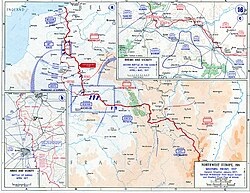
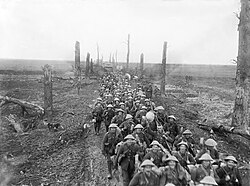
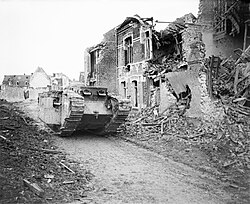
Despite initial German gains, the Entente launched the Hundred Days Offensive. This unstoppable advance caused the sudden collapse of the German armies. The combination of exhausted resources and military failure persuaded German commanders that defeat was inevitable.
Casualties and Human Cost
The Western Front was a site of unprecedented slaughter. The following table summarizes the military losses across the primary belligerents.
| Nationality | Killed | Wounded | POW |
|---|---|---|---|
| France | 1,395,000 | c. 6,000,000 | 508,000 |
| United Kingdom | 700,600 | c. 3,000,500 | 223,600 |
| United States | 117,000 | 330,100 | 4,430 |
| Germany | 1,593,000 | 5,116,000 | 774,000 |
| Belgium | 80,200 | 144,700 | 10,200 |
| Canada | 56,400 | 259,700 | — |
Frequently Asked Questions
What was the "Race to the Sea"?
The Race to the Sea was a series of maneuvers following the Battle of the Marne in 1914, where both the Allied and German armies attempted to outflank each other to the north, eventually resulting in a continuous line of trenches from the Swiss border to the North Sea.
What was the Hindenburg Line?
The Hindenburg Line was a massive German defensive system built behind the front lines. In early 1917, German forces withdrew to this line using Operation Alberich, employing scorched-earth tactics to hinder the Allied advance.
How did the United States contribute to the Western Front?
The United States entered the war in 1917, providing the American Expeditionary Force. This influx of fresh manpower and resources was critical in sustaining the Allied counter-offensives of 1918.
What ended the fighting on the Western Front?
The fighting ended with the Armistice of November 11, 1918, following the success of the Allied Hundred Days Offensive, which led to the collapse of the German Army. The formal peace terms were later established by the Treaty of Versailles in 1919.