
Western Springs: A History of Auckland's Natural and Cultural Landmark
Western Springs stands as a testament to the intersection of natural beauty and urban development in central Auckland. Once one of the region's two primary wetlands, this site has evolved from a vital resource for Tāmaki Māori into a multifaceted public space that hosts wildlife, sports, and international diplomacy.
Ancient Roots and Māori Heritage
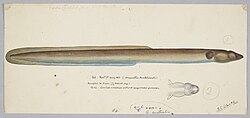
Long before the arrival of European settlers, the area was known as Te Wai Ōrea, meaning 'the waters of eels'. Tāmaki Māori highly valued the site for its exceptionally clean, clear water and as a prime location for harvesting ōrea (New Zealand long fin eels).
The landscape is also woven into local mythology. One traditional story tells of Ruarangi, a chief of the supernatural Patupaiarehe people, who escaped a siege at Ōwairaka (Mount Albert) by traveling through lava tunnels, eventually emerging at the springs of Te Wai Ōrea.
Between 1830 and 1840, during the period of the Māori musket wars, the wider region—known as Te Rehu—was inhabited by the Ngati Tahinga, Waiohua, and Te Taou peoples.
The Era of Auckland's Water Supply
As Auckland grew, the natural springs became critical infrastructure. In 1877, an earth dam was constructed to create a larger artificial lake, transforming the wetland into a reliable source of drinking water for the city. The name "Western Springs" was adopted specifically to distinguish this site from the springs at the Auckland Domain, which had served as the city's previous primary water source.
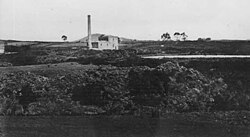
For 30 years, Western Springs provided the city's water until 1928, when it was superseded by larger damming projects located in the Waitākere Ranges.
Urban Development and Public Recreation
Following its retirement as a water source, the area transitioned into a hub for leisure and culture. The Auckland Zoo opened adjacent to the lake in 1922, followed by the Western Springs Stadium in 1929. In 1964, the Museum of Transport & Technology was established nearby.
The site's utility shifted during times of crisis and change. During the Great Depression of the early 1930s, the land near Motions Road was developed as a camping ground. This area later served as a military camp for the United States Armed Forces during World War II. While a proposal for an amusement park was floated in 1953, it never materialized due to a lack of funding.
The Auckland City Council parks department took over administration in 1961, and the area was officially opened as a public park in 1977.
Modern Memorials and International Ties
In recent decades, Western Springs has become a place of reflection and international friendship. In 2001, the New Zealand Circle of Friends Memorial Garden was established within the Kānuka Grove. This site features a stone memorial engraved with the names of 50 New Zealanders who died from HIV/AIDS.
The park also celebrates Auckland's sister-city relationship with Fukuoka, Japan. The Fukuoka Gardens, developed in 1989 and officially added to the park in 2017, feature a pavilion, a pond, and a waterfall. The gardens are home to over 1,800 native species from both Japan and New Zealand.
Key Facts
- Traditional Name: Te Wai Ōrea ('the waters of eels').
- Water Supply: Served as Auckland's primary drinking water source from 1877 to 1928.
- Key Institutions: Home to the Auckland Zoo (est. 1922) and the Museum of Transport & Technology (est. 1964).
- International Connection: The Fukuoka Gardens contain over 1,800 Japanese and New Zealand plant species.
- Memorials: The New Zealand Circle of Friends Memorial Garden honors 50 victims of HIV/AIDS.
| Year/Period | Event/Development |
|---|---|
| 1830-1840 | Inhabited by Ngati Tahinga, Waiohua, and Te Taou in the Te Rehu area. |
| 1877 | Earth dam constructed for Auckland's drinking water. |
| 1922 | Auckland Zoo opens. |
| 1928 | Water supply shifted to Waitākere Ranges. |
| 1929 | Western Springs Stadium opens. |
| WWII | Used as a military camp for US Armed Forces. |
| 1964 | Museum of Transport & Technology established. |
| 1977 | Officially opened as a public park. |
| 1989 | Fukuoka Gardens developed. |
| 2001 | New Zealand Circle of Friends Memorial Garden established. |
Frequently Asked Questions
What does the Māori name Te Wai Ōrea mean?
Te Wai Ōrea translates to 'the waters of eels', reflecting the historical importance of the site for harvesting ōrea, or New Zealand long fin eels.
How long did Western Springs provide drinking water to Auckland?
The springs served as the city's drinking water source for 30 years, from the construction of the earth dam in 1877 until 1928.
Why was the name "Western Springs" chosen?
The name was selected to differentiate these springs from those located at the Auckland Domain, which had been the city's previous major water source.
What is the significance of the Fukuoka Gardens?
The gardens were a gift to Auckland from Fukuoka in recognition of their sister-city relationship and feature a pavilion, waterfall, and over 1,800 native species from both countries.
Who is honored in the New Zealand Circle of Friends Memorial Garden?
The garden honors 50 New Zealanders who passed away from HIV/AIDS, with their names engraved on a stone memorial in the Kānuka Grove.