
Wheatland Hop Riot of 1913: Labor Conflict and Tragedy in California
In the early 20th century, the Central Valley of California was a hub for agricultural production, but beneath the surface of its prosperous harvests lay a volatile struggle for human dignity. The Wheatland Hop Riot of 1913 stands as one of the most violent episodes in American agricultural history, illustrating the desperate conditions faced by migrant workers and the fierce resistance of early labor organizers.
At the center of this conflict was the Durst Ranch, a massive 640-acre operation owned by Ralph H. Durst. As the largest single employer of agricultural labor in the state, the ranch required hundreds of seasonal workers every summer to harvest hops—the resinous flower cones used to flavor beer.
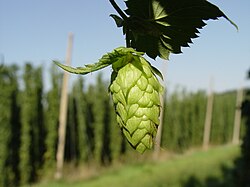
The Durst Ranch: A Powder Keg of Discontent
The crisis began in the summer of 1913. Ralph Durst advertised for temporary workers, promising high pay and ample work. The appeal was so strong that approximately 2,800 men, women, and children arrived at the ranch. However, the demand was overestimated; only about 1,500 daily positions actually existed. This surplus of labor allowed Durst to slash pay rates immediately.
Beyond the wages, the living conditions were abysmal. Workers were charged 75 cents per week to live in tents on a barren, sun-scorched hillside. Those who could not fit into the tents lived under crude shelters made of poles and burlap sacks. Sanitation was nearly non-existent, with filthy, overflowing toilets. Furthermore, Durst refused to provide drinking water in the fields, instead allowing his cousin to sell a synthetic lemonade for five cents a glass from a wagon located a mile away from the work site.
The payment system was equally exploitative. While workers were promised $1 per 100 pounds of hops, the hops were cleaned before weighing without worker supervision, leading to deceptive totals. Most workers earned less than $1.50 for a twelve-hour day in temperatures reaching 110 °F (43 °C)—roughly half of what neighboring farms paid. To ensure workers didn't leave, Durst withheld 10% of their daily wages until the end of the harvest.
The Rise of the Wobblies and the Strike
On August 1, 1913, a group of thirty workers affiliated with the Industrial Workers of the World (IWW)—commonly known as "Wobblies"—formed a temporary local to organize their peers. They appointed Richard "Blackie" Ford as their spokesman to demand fair treatment.
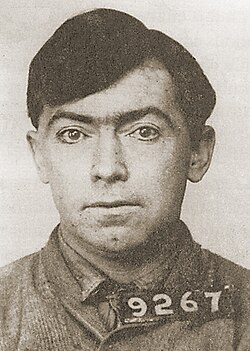
The workers' demands were straightforward: a pay increase to $1.25 per 100 pounds, a transparent cleaning process for the hops, provided drinking water, improved sanitation (including separate bathrooms for women), and assistance for women and children in loading heavy sacks.
While Durst made minor concessions regarding water and toilets, he fired Ford and the strike committee when they pushed for the remaining demands. The tension escalated as Ford and Herman Suhr, the local's secretary, addressed a diverse crowd of workers in multiple languages, including German, Greek, Italian, Arabic, and Spanish. By August 2, a majority of the pickers had voted to strike.
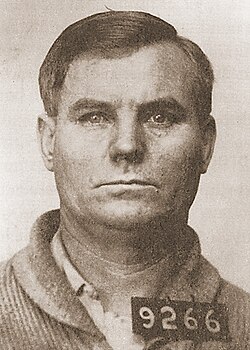
The Riot of August 3, 1913
On August 3, Ralph Durst returned to the ranch accompanied by Yuba County District Attorney Edward Manwell, Sheriff George Voss, and several deputies to suppress the revolt. When law enforcement attempted to arrest Ford, the crowd intervened. A deputy fired a shotgun into the air to disperse the group, but the action triggered a violent clash.
In the ensuing chaos, four people were killed: District Attorney Manwell, Deputy Sheriff Eugene Reardon, a Puerto Rican hop picker, and an English hop picker. Accounts of the deaths vary; some historians suggest the lawmen were killed by their own weapons after being disarmed, while others claim the Puerto Rican worker killed the officials before being killed himself.
The aftermath was brutal. Approximately 100 workers were arrested and subjected to starvation and physical torture to force confessions. One worker, Alfred Nelson, was beaten with pistol butts and rubber hoses in a hotel room—an act later described by District Attorney A.B. McKenzie as one of the state's biggest outrages.
Trial and Legal Aftermath
The legal proceedings were marked by intense bias. The trial took place in Marysville, where the judge was a personal friend of the deceased District Attorney and eight of the twelve jurors were farmers. Despite the defense's argument that Ford and Suhr never held weapons or advocated violence, the prosecution painted them as "agitators."
On January 13, 1914, Blackie Ford and Herman Suhr were convicted of second-degree murder and sentenced to life in prison. Two other workers, Walter Bagan and William Beck, were acquitted.
Key Facts
- Location: Durst Ranch, Wheatland, Yuba County, California.
- Casualties: Four deaths (two law enforcement officers, two workers).
- Primary Cause: Abysmal living conditions, deceptive pay, and lack of basic necessities like drinking water.
- Key Figures: Ralph Durst (Owner), Blackie Ford and Herman Suhr (IWW leaders).
- Legal Outcome: Ford and Suhr received life sentences for second-degree murder.
- Historical Status: Now registered as California Historical Landmark #1003.
| Category | Details |
|---|---|
| Workforce | ~2,800 applicants for ~1,500 positions |
| Working Conditions | 12-hour days, 110°F heat, no field water |
| Wage Dispute | Promised $1/100lbs; actual pay often <$1.50/day |
| Organizing Body | Industrial Workers of the World (IWW) |
| State Response | National Guard deployment and labor camp inspections |
Legacy and Impact
The tragedy of Wheatland brought the plight of California's agricultural laborers into the public eye for the first time. Governor Hiram Johnson established a Commission on Immigration and Housing, leading to new laws requiring state inspections of labor camps. Furthermore, the US Commission on Industrial Relations held hearings in 1914, exposing the systemic violence used by private detectives and local authorities.
The IWW's influence grew following the event, reaching 5,000 members and 40 locals in California by the end of 1914. Blackie Ford was paroled in 1924, later acquitted of a separate murder charge, and Herman Suhr was eventually pardoned.
Frequently Asked Questions
What caused the Wheatland Hop Riot?
The riot was caused by a combination of over-recruitment, slashed wages, deceptive weighing of crops, and inhumane living conditions, including a lack of clean drinking water and sanitary toilets on the Durst Ranch.
Who were the "Wobblies"?
The "Wobblies" were members of the Industrial Workers of the World (IWW), a radical labor union that organized migrant workers to fight for better pay and working conditions.
How did the trial of Ford and Suhr reflect the era's biases?
The trial was held in a hostile environment where the judge was a friend of the victim and the jury was composed largely of farmers. The defendants were convicted based on their roles as "agitators" rather than evidence that they personally committed the killings.
What long-term changes resulted from the riot?
The event led to the creation of a state commission to investigate labor conditions and the implementation of legislation providing for the state inspection of agricultural labor camps in California.
What happened to the convicted leaders?
Both Blackie Ford and Herman Suhr served over a decade in prison. Ford was paroled in 1924 and later acquitted of additional charges, while Suhr was eventually pardoned.