
Wild Game: A Global Overview of Hunting, Species, and Preparation
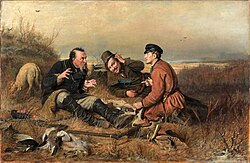
Wild game, also referred to as quarry, consists of wild animals hunted for meat, recreation (often called "sporting"), or trophies. While the specific species targeted vary significantly by region and local jurisdiction, most game animals are terrestrial mammals and birds. Additionally, fish caught for non-commercial purposes are categorized as game fish.
The definition of game is often shaped by climate, faunal diversity, and cultural tastes. A notable distinction is frequently made between wild varieties and domestic breeds, such as the wild turkey versus the domestic turkey. One of the most defining characteristics of game is its "gamey" flavor, which results from the animal's natural diet and typically lower fat content compared to farm-raised livestock.
Key Facts
- Classification: Game is often divided into "small game" (often covered by a general license with bag limits) and "large game" (often requiring individual permits or tags).
- Global Variety: Targeted species range from ungulates like deer and antelope to various waterfowl and upland birds.
- Preparation: Large game requires field-dressing (removing viscera) to prevent spoilage.
- Safety: Lead-based ammunition can pose health risks, particularly to children and pregnant women, leading some to use copper bullets or arrows.
Regional Game Species
Africa
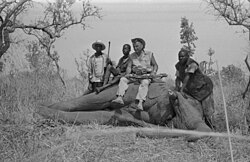
In various African regions, animals hunted for meat are known as bushmeat. This includes rodents like cane rats and porcupines, primates such as gorillas and mandrills, and various antelope species like duikers. Animals hunted specifically for ivory or pelts are termed big game.
South Africa is a premier destination for game hunting due to its high biodiversity. Common species include the Springbok, Impala, Greater kudu, Cape buffalo, and Southern white rhinoceros. The region also hosts 62 species of gamebirds, including guineafowl, francolin, and various ducks and geese.
North America
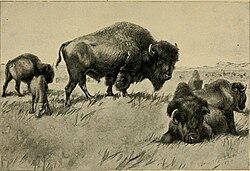
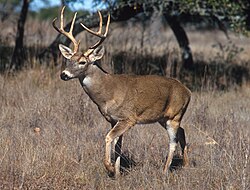
In the United States and Canada, the white-tailed deer is the most commonly hunted big game. Other prominent ungulates include the American bison, elk, moose, and pronghorn. In the Caribbean, game often includes delicacies such as the green iguana, spectacled caiman, and various waterfowl like the wood duck.
Europe and Asia
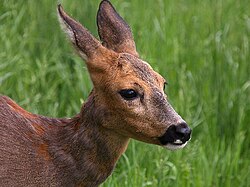
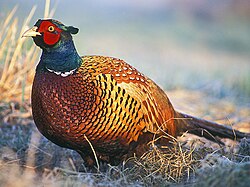
In the United Kingdom, game is legally defined by the Game Act 1831, including species like the red grouse and common pheasant. Deer are managed under separate legislation (the Deer Act 1991). In Nordic countries, moose hunting in October is nearly a national pastime. Germany maintains strict hunting laws, listing animals like the roe deer and wild boar as legal game, while protecting endangered species like the European bison.
In Russia, game includes a wide array of species from the brown bear and Siberian ibex to the hazel grouse and wild boar. In China, wild animals are sometimes categorized under a special cuisine known as yewei.
Oceania
Australia's game list is diverse, including native species like kangaroos and emus, as well as introduced or feral animals such as the European rabbit, feral pig, and feral camel. New Zealand focuses on species such as the chamois, tahr, and various deer and duck species.
Game Meat Preparation and Cooking
Processing and Butchery
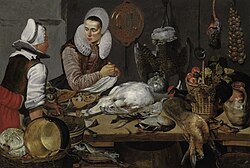
Obtaining game meat involves hunting in natural habitats, typically using a bow or gun. To prevent spoilage, the meat must be processed quickly. Small game and fowl can often be transported intact for butchering. However, large game requires field-dressing—the immediate removal of internal organs—to cool the carcass. Very large animals, such as moose, may require partial butchering in the field due to their size.
Culinary Techniques
Because game is often leaner than commercial beef, it is prone to overcooking. To combat toughness and dryness, chefs often use slow-cooking, moist-heat methods, or marinating. Examples include stews like burgoo or the traditional German dish Hasenpfeffer.
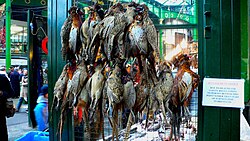
Summary of Game Classifications
| Category | Typical Characteristics | Example Species |
|---|---|---|
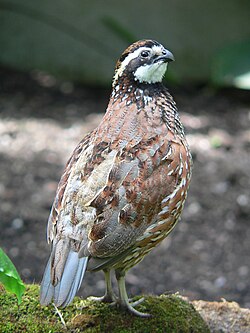
| Small Game | Smaller mammals/birds; often general licenses | Rabbit, Pheasant, Quail |
| Large Game | Large mammals; often require individual tags | Moose, Elk, Red Deer |
| Big Game | Large, often trophy animals | Elephant, Cape Buffalo, Rhino |
| Bushmeat | Wild meat hunted for subsistence/local use | Duikers, Cane rats, Primates |
Frequently Asked Questions
What does it mean when meat is described as "gamey"?
A "gamey" flavor is characteristic of wild animals and is attributed to their natural diet and lower fat content compared to domestic, farm-raised animals.
What is field-dressing?
Field-dressing is the process of removing the viscera (internal organs) from a large animal immediately after it is killed to cool the carcass and prevent the meat from spoiling.
Why is lead ammunition a concern when hunting game?
Lead-based ammunition can leave residues in the meat. Health authorities, such as those in Norway, warn that excessive consumption of lead-shot game can negatively impact the central nervous system, potentially lowering IQ in children.
How does game meat differ in cooking from farmed meat?
Game meat is generally leaner and can be tougher than farmed meat. Consequently, it is often prepared using marinating, slow-cooking, or moist-heat methods to ensure tenderness and avoid overcooking.
What is the difference between small game and large game licenses?
Small game licenses often cover multiple species and are subject to yearly bag limits. Large game typically requires a separate permit or "tag" for each individual animal taken.