
Witchcraft: A Global History of Magic, Belief, and Persecution
Throughout human history, witchcraft—the use of magic by a practitioner known as a witch—has served as a powerful, though largely imaginary, framework for explaining the presence of evil and misfortune. While modern interpretations often vary, the traditional definition of witchcraft centers on the use of supernatural power to inflict harm or misfortune on others.
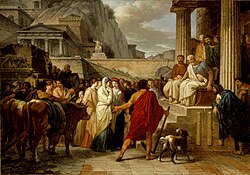
Belief in these occult practices is not limited to one region; it has been documented across a vast array of societies worldwide. From ancient Mesopotamia to early modern Europe and across Africa and the Americas, the fear of malevolent magic has led cultures to develop complex systems of protective magic, known as counter-magic, to ward off perceived threats.
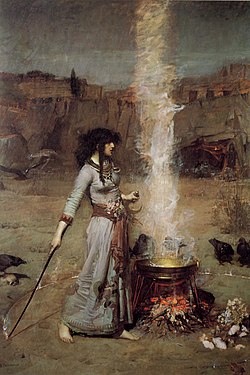
Key Facts
- Core Definition: Traditionally, witchcraft is viewed as the use of magic to cause supernatural harm (maleficium).
- Global Presence: Beliefs in witchcraft are attested in ancient Mesopotamia, classical antiquity, and various cultures across Africa, Asia, and the Americas.
- Gender Bias: In medieval and early modern Europe, the majority of those accused of witchcraft were women.
- Social Drivers: Accusations often stemmed from social tensions and neighborly disputes rather than evidence of magic.
- Historical Impact: Early modern European witch-hunts resulted in tens of thousands of executions.
The Evolution of Witchcraft Beliefs
The concept of the witch has evolved significantly over millennia. In ancient Mesopotamia, records indicate early beliefs in malevolent magic, while in Europe, these ideas trace back to classical antiquity. By the medieval and early modern periods, the stereotype of the witch became more rigid, often involving secret gatherings and the use of black magic.
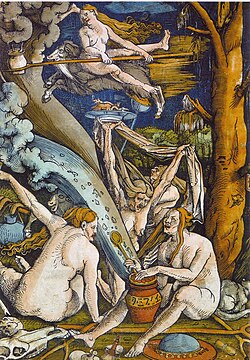
The Role of Maleficium
In early modern Europe, the term maleficium was used to describe the act of using magic to cause harm to a community. These accusations were rarely random; they typically emerged from existing social frictions. When a neighbor suffered a loss or a sudden illness, the blame was often shifted toward a marginalized individual within the village.
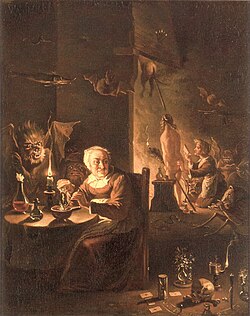
Witchcraft and Folk Healing
There was often a thin line between a healer and a witch. Cunning folk, midwives, and magical healers provided essential services to their communities. However, if a treatment failed or if the healer lost the trust of the authorities, they could easily be accused of witchcraft. Despite this, healers represented only a minority of the total number of people prosecuted during the great witch-hunts.
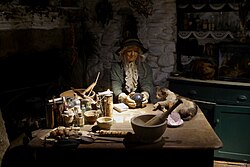
Persecution and Counter-Magic
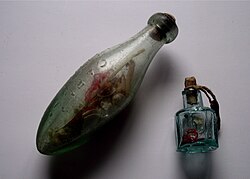
Because the fear of witchcraft was so pervasive, societies developed methods to thwart it. This included the use of physical charms, such as witch bottles, designed to trap or repel malevolent spells.
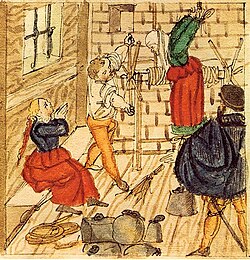
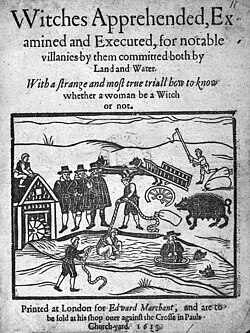
The legal response to suspected witchcraft was often brutal. In many cultures, alleged witches were shunned, imprisoned, or executed. The European witch trials of the early modern period are the most infamous examples, where torture was frequently employed to extract confessions.
Ancient and Global Perspectives
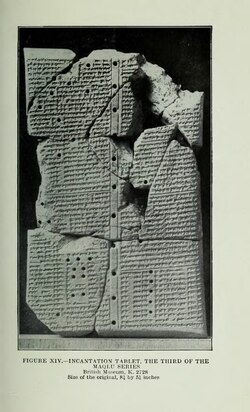
Witchcraft beliefs were not exclusive to the West. Ancient Akkadian tablets, such as those from the Maqlû, outline specific rituals intended to counteract witchcraft. Similarly, historical records from colonial Brazil show a constant presence of witchcraft denunciations and confessions provided to the Congregation for the Doctrine of the Faith between 1591 and 1595.
| Region | Key Characteristics | Common Responses |
|---|---|---|
| Ancient Mesopotamia | Early attestations of malevolent magic | Anti-witchcraft rituals (e.g., Maqlû) |
| Early Modern Europe | Focus on maleficium and secret Sabbaths | Mass trials, torture, and executions |
| Colonial Americas/Brazil | Integration of colonial and local beliefs | Denunciations to religious authorities |
| Sub-Saharan Africa | Cross-cultural beliefs in harmful occultism | Social banishment and protective magic |
Witchcraft in Culture and Art
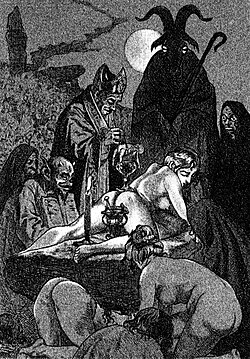
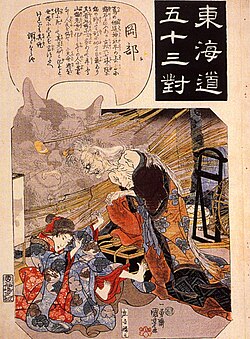
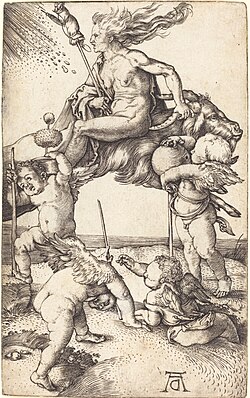
The imagery of the witch has been a staple of art and literature for centuries. From the 16th-century woodcuts of Hans Baldung to the 19th-century paintings of John William Waterhouse, the visual representation of the witch has shifted from a demonic figure to a more romanticized or mythological sorceress.
![The sorceress Ceridwen of Welsh mythology is considered a Goddess in Modern paganism and Wicca.[112]](/images/8e/f7/8ef7cc1b600d377f6bda98581b2daa62b6a73085c0bc77b2f20d4dcf31fd9c8b.jpg)
While the Age of Enlightenment led to a decline in the legal prosecution of witches in Europe, the belief in witchcraft persists in various forms globally, often correlating with specific socio-demographic factors.
![Prevalence of belief in witchcraft by country[121]](/images/0e/8f/0e8ff95aab1a8f91b465f12edf1135173839347f5eb9a29c011a46ef8d3d2a66.png)
![Socio-demographic correlates of witchcraft beliefs[121]](/images/ee/af/eeafa3a917e4be64972f4c1aa314641da686b84bceb8acd1fb6b003b3e98baa9.png)
Frequently Asked Questions
What is the traditional meaning of witchcraft?
Traditionally, witchcraft refers to the use of magic to inflict supernatural harm or misfortune on other people, a practice often termed maleficium.
Who were the primary targets of European witch-hunts?
The majority of those accused were women. While some were midwives or healers, most accusations arose from social tensions and disputes between neighbors.
How did people protect themselves from witchcraft?
Many cultures used counter-magic or protective magic. Examples include the use of witch bottles in Europe and specific ritual tablets in ancient Mesopotamia.
Did the belief in witchcraft disappear after the Enlightenment?
While belief and legal prosecutions dwindled in Europe during and after the Age of Enlightenment, beliefs in witchcraft continue to exist in various cultures and regions worldwide today.