
Wye Plantation: A Legacy of Architecture and Enslavement
Established in the 1650s by Edward Lloyd, a wealthy Welsh Puritan and planter, the Wye plantation stands as a complex monument to American history. While its structures showcase the evolution of colonial luxury, the estate's foundations were built upon the forced labor of hundreds of enslaved individuals, creating a stark contrast between architectural beauty and human suffering.
The Architecture of the Main House
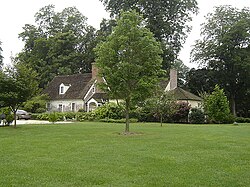
Between 1780 and 1790, Edward Lloyd IV—the great-great-grandson of the founder—constructed the main house. The building is recognized as a significant architectural bridge, representing the transition from Georgian architecture (characterized by symmetry and classical proportions) to Federal architecture (a lighter, more refined American adaptation of neoclassical styles). This design is attributed to the builder Robert Key.
The Historic Orangery
Adjacent to the main house is an orangery, a specialized garden structure used to cultivate orange and lemon trees. This building is a rare survival of its kind and remains historically significant because it still houses its original 18th-century heating system, which utilized a network of hot-air ducts to maintain temperatures for the citrus trees.
The Human Cost of the Estate
At its peak, the Wye plantation was a massive operation, spanning more than 42,000 acres (17,000 ha). To maintain this scale of production, the owners enslaved more than 1,000 people. The wealth used to fund the estate's grand architecture was generated entirely through this system of forced labor.
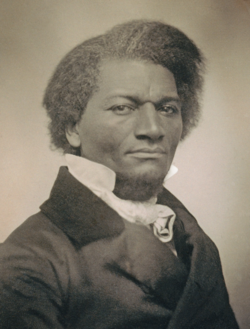
Among those enslaved on the plantation was Frederick Douglass, who lived there between the ages of seven and eight. In his autobiography, Narrative of the Life of Frederick Douglass, an American Slave, Douglass provided extensive and harrowing accounts of the brutal conditions endured by the enslaved population at Wye.
Key Facts
- Founded: 1650s by Edward Lloyd.
- Main House Construction: 1780–1790 by Robert Key.
- Peak Land Area: Over 42,000 acres.
- Peak Enslaved Population: More than 1,000 people.
- Current Land Area: 1,300 acres.
- Ownership: Still held by the 11th generation of Lloyd descendants.
Wye Plantation Overview
| Feature | Historical Peak | Current Status |
|---|---|---|
| Land Size | 42,000+ acres | 1,300 acres |
| Ownership | Edward Lloyd & descendants | 11th generation descendants |
| Architectural Style | Georgian to Federal transition | Preserved historic site |
Frequently Asked Questions
Who founded the Wye plantation?
The plantation was created in the 1650s by Edward Lloyd, a wealthy planter and Welsh Puritan.
What is the architectural significance of the main house?
Built by Robert Key between 1780 and 1790, the house is cited as a prime example of the transition between Georgian and Federal architectural styles.
What is an orangery and why is the one at Wye special?
An orangery is an early garden structure used for growing citrus trees. The Wye orangery is rare because it still contains its original 18th-century hot-air duct heating system.
What was Frederick Douglass's connection to Wye?
Frederick Douglass was enslaved on the plantation around the ages of seven and eight, later documenting the brutal conditions of the estate in his autobiography.
Who owns the plantation today?
The property is still owned by the descendants of Edward Lloyd, who are now in their 11th generation on the land.