
Yellow Goods: The Essentials of Durable Consumer Appliances
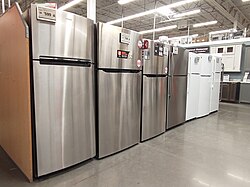
In the world of retail and consumer behavior, products are often categorized by how people shop for them and how long they last. One of the most significant categories is yellow goods, also known as shopping goods or white goods. These are durable consumer items—most notably large household appliances—designed for a long useful life and replaced only occasionally.
Because these items represent a significant investment, the purchasing process differs wildly from that of everyday essentials. Consumers do not buy these on impulse; instead, they engage in a deliberate process of evaluation and selection.
Key Facts
- Yellow goods are durable items with a long lifespan and low replacement frequency.
- They possess a higher unit value compared to convenience goods.
- Retailers typically see lower sales volumes but higher profit margins per unit.
- Distribution is selective, and personal selling plays a critical role in the purchase.
- These items often require store-level customization or adjustment before delivery.
The Economics of Shopping Goods
Yellow goods are characterized by their high unit value. Unlike "red goods" (convenience goods), which are inexpensive and purchased frequently, yellow goods are costly investments. This price point shifts the consumer's behavior toward comparison shopping, where buyers spend considerable time researching specifications, brands, and prices to ensure they select the right model.
Sales and Distribution Strategies
Due to the complexity and cost of these products, the way they are sold is highly specialized. There is a much greater reliance on personal selling, where trained salespeople guide the customer through the technical features and benefits of the product.
Furthermore, yellow goods utilize selective distribution. Rather than being available in every corner store, they are sold through specific outlets that can provide the necessary showroom space and the technical expertise required for the sale.
Post-Sale Customization
Unlike products that are taken straight from a shelf to a home, yellow goods often require a middle step. Stores frequently need to adjust or customize the appliance to meet the specific needs of the customer or the requirements of the delivery site before the item reaches its final destination.
Comparison of Consumer Goods Types
| Feature | Yellow Goods (Shopping Goods) | Convenience Goods (Red Goods) |
|---|---|---|
| Unit Value | High | Low |
| Purchase Frequency | Rare | Frequent |
| Consumer Behavior | Comparison Shopping | Impulse/Routine Buying |
| Sales Volume | Low | High |
| Profit Margin | High per unit | Low per unit |
Industry Terminology Distinction
It is important to note that the term "yellow goods" has two distinct meanings depending on the industry. In the context of consumer retail, it refers to household appliances. However, in the construction and agricultural industries, yellow goods refer to heavy machinery such as tractors and bulldozers.
Frequently Asked Questions
What are yellow goods in a retail context?
In retail, yellow goods (also called white goods or shopping goods) are durable household appliances that have a long lifespan and are replaced infrequently.
How does shopping for yellow goods differ from convenience goods?
Consumers spend significantly more time comparison shopping for yellow goods due to their higher cost and longer-term impact, whereas convenience goods are bought quickly and frequently.
Why is personal selling more important for yellow goods?
Because these items are expensive and often technically complex, customers rely on salespeople to provide detailed information and help them choose the model that best fits their needs.
Do yellow goods require special handling before delivery?
Yes, yellow goods often need to be adjusted or customized by the retailer to ensure they are properly configured for the customer's specific requirements before delivery.
Is "yellow goods" the same as "white goods"?
Yes, in the consumer goods industry, the terms are often used interchangeably to describe large, durable household appliances.
Does the term "yellow goods" always refer to appliances?
No. While it refers to appliances in retail, in the agricultural and construction sectors, it refers to heavy equipment like bulldozers and tractors.