
Agrobiodiversity and Its Vital Role in Food and Agriculture
Agrobiodiversity refers to the variety and variability of animals, plants, and microorganisms that are used directly or indirectly for food and agriculture. This diversity is not just a biological curiosity; it is the foundation of our global food system. To understand its importance, scientists categorize the contributions of agrobiodiversity through ecosystem services—the benefits that well-functioning agroecosystems and wild ecosystems (such as grasslands and forests) provide to human wellbeing.
These services are generally divided into four primary categories: provisioning, supporting, regulating, and cultural. By maintaining a diverse biological landscape, we ensure that agriculture remains resilient, productive, and sustainable in the face of a changing global climate.
Key Facts
- Historically, humans have utilized at least 6,000 plant species for food.
- Approximately 75% of the 115 major global crop species depend on pollinators.
- Genetic diversity allows for extreme nutrient variance, such as sweet potato varieties ranging from negligible to 23,100 mcg of beta-carotene per 100g.
- Agrobiodiversity supports carbon sequestration through practices like agroforestry and the use of green manure.
- Crop wild relatives are essential genetic reservoirs for breeding crops that can withstand new pests or climate shifts.
Provisioning Services: Food, Nutrition, and Resources
Provisioning services are the direct goods provided by ecosystems. The most critical of these is food biodiversity, which encompasses the genetic resources within and between species used for human consumption. While thousands of species have been used historically, the variety of our current diets is decreasing, raising concerns about long-term nutritional security.
This diversity exists not only between different species but also within a single species. For example, Brassica oleracea manifests as various vegetables, including cauliflower, broccoli, cabbage, and Brussels sprouts. Furthermore, "orphan" or neglected species often contain high levels of micronutrients that are overlooked by mainstream research.
Beyond food, agrobiodiversity provides essential raw materials, including wood, fiber, fuel, water, and medicinal resources. Sustainable food security depends on the conservation and enhancement of these genetic resources across all production systems.
Supporting Services: The Foundation of Production
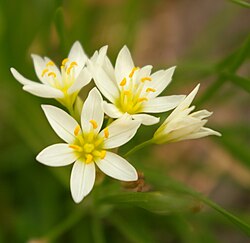
Supporting services provide the biological life support necessary for agriculture to function. The primary goal here is the maintenance of genetic diversity, which ensures that crops and livestock can adapt to changing weather conditions and climate shifts.
A vital component of this is the preservation of crop wild relatives—wild plants genetically related to cultivated crops—which serve as a toolkit for breeding programs to meet farmer and consumer needs. Additionally, agrobiodiversity supports the habitats of essential wild species, such as predators and pollinators, through the use of hedgerows, riparian corridors, and field margins.
Maintaining a healthy soil biota (the community of organisms living in the soil) is another critical supporting service that ensures long-term land productivity.
Regulating Services: Balancing the Agroecosystem
Regulating services are the natural processes that keep an agroecosystem healthy and stable. These include pollination, pest control, and carbon capture.
Pollination
With 75% of major crops relying on pollinators, agrobiodiversity is essential for their survival. It provides necessary breeding habitats and ensures a constant supply of nectar by having different crops flower at different times. Furthermore, reducing chemical insecticides through biological pest control protects these vital insects.
Pest Control
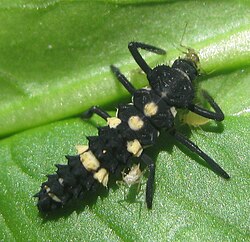
A biodiverse farm is a more resilient farm. By providing habitats for the natural enemies of pests, agrobiodiversity creates a built-in defense system. High genetic diversity also increases the likelihood that some plants will possess natural resistance to specific pathogens or evolve alongside pests to survive.
Carbon Capture
Agrobiodiversity helps mitigate climate change through carbon sequestration. When integrated into agroecological practices, cover crops can be used as green manure (crops grown specifically to be plowed back into the soil to improve fertility). Agroforestry—the integration of trees and shrubs into farming systems—and the protection of soil microbes further increase the amount of carbon stored in biomass and soil.
Cultural Services: Heritage and Identity
Agrobiodiversity is deeply intertwined with human culture, local cuisines, and spiritual practices. In China, for example, traditional cultures have preserved a vast array of rice varieties, such as red and sweet glutinous rices, for use in rituals and customs.
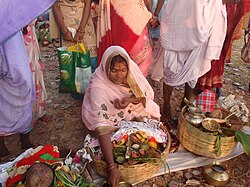
Many communities maintain specific species for religious reasons. In parts of India, Nepal, and Mauritius, certain varieties of mango and pomelo are grown specifically for the Chhath Puja festival. Additionally, the Slow Food movement highlights the value of local varieties to raise awareness and encourage conservation.
Home gardens serve as vital cultural spaces where resource-poor farmers conserve genetic diversity for aesthetic, social, and non-monetary reasons.
Summary of Agrobiodiversity Contributions
| Service Category | Primary Contributions | Examples |
|---|---|---|
| Provisioning | Food, nutrition, and raw materials | Orphan crops, Brassica oleracea varieties, medicinal plants |
| Supporting | Biological life support and adaptability | Crop wild relatives, soil biota, pollinator habitats |
| Regulating | Control of natural processes | Pollination, biological pest control, carbon sequestration |
| Cultural | Social, spiritual, and aesthetic value | Traditional rice varieties, Chhath Puja fruits, home gardens |
Frequently Asked Questions
What is the difference between food biodiversity and agrobiodiversity?
Agrobiodiversity is a broad term covering all biological diversity used in agriculture, including supporting and regulating services. Food biodiversity specifically refers to the diversity of plants, animals, and organisms used as food, including genetic resources within and between species.
Why are crop wild relatives important?
Crop wild relatives are wild species genetically related to our food crops. They are essential because they often contain genetic traits—such as drought resistance or pest immunity—that can be bred into cultivated crops to ensure food security in changing environments.
How does agrobiodiversity help in fighting climate change?
It contributes through carbon capture. Practices like agroforestry (planting trees in farms) and using cover crops as green manure increase the amount of carbon sequestered in the soil and biomass, reducing overall emissions.
What are "orphan crops"?
Orphan crops are species that have been overlooked by mainstream agricultural research. Despite this lack of attention, they are often rich in essential micronutrients and healthful components, making them vital for nutritional diversity.
How does genetic diversity protect crops from pests?
Genetic diversity ensures that not all plants in a field are identical. This means some individuals are more likely to have natural resistance to a specific pathogen, and different planting times or growth rates can help crops avoid peak pest attack periods.