
Bulgarian Cuisine: A Journey Through Traditional Flavors
Bulgarian cuisine is a rich tapestry of flavors, blending agricultural abundance with deep-rooted Balkan traditions. From the hearty mountain stews of the highlands to the fresh, vegetable-forward salads of the valleys, the food of Bulgaria is characterized by its use of fresh produce, aromatic herbs, and a world-renowned dairy tradition. Central to this culinary identity is the use of Lactobacillus bulgaricus, a specific strain of bacteria native to the region that gives Bulgarian yogurt and cheeses their distinct, tangy profile.
Key Facts
- Dairy Dominance: Sirene (white brine cheese) and Kiselo mlyako (yogurt) are foundational ingredients in most meals.
- The Grill (Skara): Grilled meats like Kebapche and Kyufte are staples of Bulgarian street food and celebrations.
- Vegetable Focus: Peppers, tomatoes, and cucumbers form the base of many iconic salads and sauces.
- Pastry Art: Phyllo-based pastries, most notably Banitsa, are essential for breakfast and rituals.
- Unique Fermentation: The country is famous for its traditional fermented dairy and pickled winter vegetables (Turshiya).
The Bulgarian Breakfast
Breakfast in Bulgaria is often a hearty affair, dominated by baked goods and fried dough. The most iconic dish is Banitsa, a layered phyllo pastry typically stuffed with eggs, sirene, and yogurt. Other variations include Börek (filled pastry) and Tutmanik, a yeast-based bread with white cheese.
For those preferring something fried, Mekitsi (deep-fried dough) and Buhti (fried dough balls) are popular, usually paired with honey, jam, or sirene. Lighter options include Palachinki (thin crêpes) and Langidi, which are soft, eggy pancakes similar to the American style.
Dairy and Fermented Staples
Bulgaria's dairy tradition is legendary. Kiselo mlyako, or Bulgarian yogurt, is used not only as a standalone snack but as a base for soups and sauces. The cheese variety is equally impressive, ranging from Sirene, a salty white brine cheese, to Kashkaval, a hard yellow cheese available in cow's milk (Vitosha) or ewe's milk (Balkan) varieties.
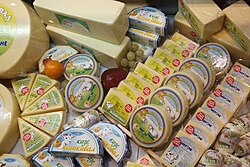
Other Dairy Products
- Smetana: Traditional sour cream.
- Izvara: A type of cottage cheese or quark.
- Katak: A fermented curd product similar to yogurt.
Soups, Stews, and Salads
Bulgarian soups range from refreshing cold blends to thick, spicy stews. Tarator is perhaps the most famous, consisting of yogurt, cucumbers, garlic, dill, and oil. For those seeking warmth, Shkembe chorba (tripe soup) is highly regarded as a hangover cure, while Ribena chorba offers a spicy fish-based alternative seasoned with thyme and lovage.
Salads are a vibrant part of every meal. The Shopska salad—a mix of tomatoes, cucumbers, onions, and peppers topped with sirene—is a national symbol. Variations include Ovcharska salata (shepherd's salad), which adds mushrooms and egg, and Snezhanka (Snow White salad), a creamy cucumber and yogurt blend.
The Art of the Grill (Skara)
The Skara, or grill, is central to Bulgarian social dining. The most common items are Kyufte (seasoned minced pork meatballs) and Kebapche (cumin-seasoned meat sticks). For special celebrations, Cheverme is prepared, where a whole animal is rotated over an open fire for four to seven hours.
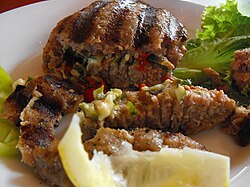
Popular Grilled Items
- Shishcheta: Marinated meat and vegetable skewers.
- Karnache and Nadenitsa: Specially spiced Bulgarian sausages.
- Meshana skara: A mixed grill platter featuring a variety of the above meats.
Main Courses and Traditional Sides
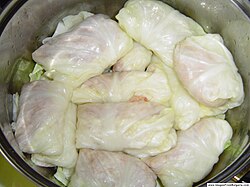
Main dishes often feature slow-cooked meats and vegetables. Sarma (stuffed cabbage leaves) and Pulneni chushki (stuffed bell peppers) are beloved classics. Another summer favorite is Mish-mash, a scramble of tomatoes, peppers, onions, eggs, and white brine cheese.
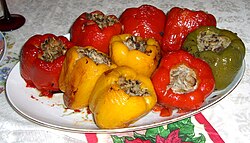
To accompany these meals, Bulgarians use rich relishes. Lyutenitsa is a thick purée of tomatoes, red peppers, and carrots, while Kyopulu is a roasted eggplant and pepper mash.
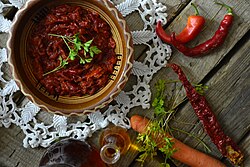
Sweets and Cold Cuts
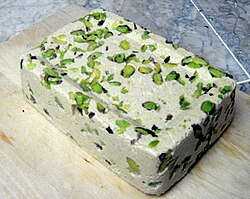
Bulgarian desserts often lean toward the honeyed and nutty. Halva, particularly the tahini-based variety from Yablanitsa and Haskovo, is widely enjoyed. Other treats include Baklava, Kadaif, and the Garash cake.
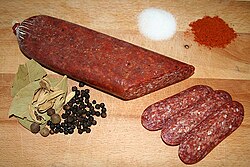
For appetizers, cold cuts like Lukanka (spicy beef and pork salami) and Pastarma (spicy beef sausage) provide a bold start to the meal.
Summary of Traditional Bulgarian Foods
| Category | Key Dishes | Primary Ingredients |
|---|---|---|
| Breakfast | Banitsa, Mekitsi | Phyllo, Sirene, Yogurt, Flour |
| Salads | Shopska, Tarator | Cucumber, Tomato, Yogurt, Sirene |
| Grill (Skara) | Kebapche, Kyufte | Minced Pork, Cumin, Spices |
| Main Dishes | Sarma, Mish-mash | Cabbage, Peppers, Eggs, Meat |
| Sweets | Halva, Baklava | Tahini, Honey, Nuts, Phyllo |
Frequently Asked Questions
What is the difference between Sirene and Kashkaval?
Sirene is a soft, salty white brine cheese used in salads and pastries, whereas Kashkaval is a hard yellow cheese often used in appetizers or melted.
What is Tarator and when is it eaten?
Tarator is a cold soup made from yogurt, cucumbers, garlic, and dill. It is particularly popular during the hot summer months for its refreshing qualities.
What makes Bulgarian yogurt unique?
Bulgarian yogurt is produced using the bacteria Lactobacillus bulgaricus, which is native to the region and provides a distinct flavor and texture compared to other yogurts.
What is a Meshana skara?
A Meshana skara is a mixed grill plate that typically includes a variety of grilled meats such as kebapche, kyufte, shishche, and either karnache or nadenitsa sausages.
What is Lyutenitsa?
Lyutenitsa is a traditional Bulgarian relish or sauce made from a purée of roasted red peppers, tomatoes, and carrots, often served on bread with white cheese.