
French Colonial Rule and the Regulation of Prostitution in Morocco
The history of prostitution in Morocco is deeply intertwined with the country's social structures and the shifts in governance brought about by foreign intervention. From the traditional practices linked to slavery to the rigid administrative controls of the French Protectorate, the landscape of sex work evolved in response to legal changes and colonial health concerns.
The Transition from Slavery to Prostitution
Historically, prostitution in Morocco was closely linked to the institution of slavery. While Islamic Law formally prohibited prostitution, the principle of concubinage—which allowed a man to have sexual relations with his female slave—created a legal loophole. Pimps would sell female slaves to clients on the slave market; once the client had sexual access to the woman as her owner, he would return her to the pimp under the pretext of discontent, effectively facilitating a paid sexual encounter through a legal transaction of ownership.
The shift toward more visible prostitution is often attributed to the abolition of slavery. Scholars such as Christelle Taraud suggest that as French colonial authorities pursued anti-slavery policies between the second quarter of the 20th century and the 1950s, a process of manumission (the formal act of freeing a slave) took place. Because many of the slaves were female house servants who had been sexually exploited under concubinage, many found themselves destitute upon their release and turned to prostitution as a means of survival.
Colonial Regulation and the "Quartiers Réservés"
During the period of French colonial rule (1912–1956), the administration moved to regulate prostitution. This was driven primarily by a desire to control the spread of sexually transmitted infections (STIs), with a specific focus on syphilis, which threatened the health of French troops stationed in the colony.
To manage this, the authorities established quartiers réservés, or red-light districts. These were designated areas where prostitution was legally permitted. The most notable of these was Bousbir in Casablanca.
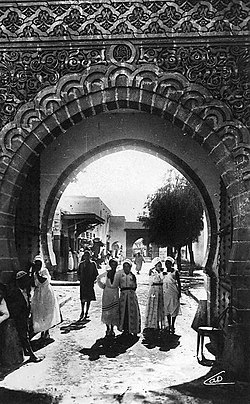
Life within these districts was strictly monitored. Prostitutes were required to register with the authorities and undergo mandatory, regular health screenings. They were obligated to carry registration cards at all times, and any travel outside the boundaries of the quarter required an official permit.
Brothels and Mobile Units
Beyond the red-light districts, the colonial administration permitted maisons de tolérance (licensed brothels) specifically for the use of Europeans. The women working in these establishments were subject to the same rigorous health and registration regulations as those in the quartiers réservés.
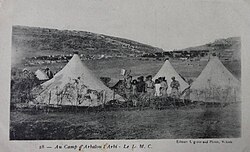
For soldiers stationed in remote areas away from urban centers, the French military established bordels militaires de campagne, which were mobile brothels designed to serve the troops in the field.
Policing and Enforcement
Women who operated outside the regulated zones were classified as clandestines. The police frequently targeted these women, forcing them to undergo medical examinations. The consequences of these raids depended on the health results:
- Healthy women: Received a formal warning.
- Infected women: Were transported to a hospital for treatment and, upon release, were forcibly moved into the quartiers réservés.
- Repeat offenders: Any woman who received three warnings was forcibly relocated to the quartiers réservés regardless of her health status.
Key Facts
- Colonial Period: French rule in Morocco lasted from 1912 to 1956.
- Primary Driver: Regulation was motivated by the need to prevent syphilis among colonial troops.
- Bousbir: The most prominent red-light district located in Casablanca.
- Manumission: The freeing of slaves in the early-to-mid 20th century is linked to an increase in prostitution.
- Control Measures: Mandatory registration cards, health checks, and travel permits were required for registered sex workers.
| Facility Type | Target Audience / Purpose | Key Characteristics |
|---|---|---|
| Quartiers Réservés | General regulated use | Registered workers, mandatory health checks, travel permits. |
| Maisons de Tolérance | European population | Licensed brothels subject to colonial regulation. |
| Bordels Militaires de Campagne | Stationed troops | Mobile units for soldiers in remote areas. |
Frequently Asked Questions
Why did the French colonial government regulate prostitution?
The primary motivation was the health of the military. The authorities wanted to curb the spread of sexually transmitted infections, particularly syphilis, among the troops stationed in Morocco.
What was the role of slavery in the history of Moroccan prostitution?
Before colonial rule, prostitution often occurred through the legal loophole of concubinage, where female slaves were sold and returned to pimps. Later, the manumission of female house slaves left many women destitute, leading some to enter prostitution for survival.
What happened to women caught working as "clandestines"?
They were forced to take medical tests. If they were infected, they were hospitalized and then sent to a quartier réservé. If they were healthy, they received a warning; however, after three warnings, they were forcibly moved to a regulated district.
What were the restrictions for women in the quartiers réservés?
Women had to be registered, undergo regular health checks, carry a registration card at all times, and obtain a permit to leave the district.
What were bordels militaires de campagne?
These were mobile brothels established by the colonial administration to provide services to soldiers stationed in areas far from the cities.