
Game Hunting: Global Species, Classifications, and Regional Practices
The practice of hunting animals for food or sport varies significantly across the globe. This diversity is driven by local climates, the variety of available fauna, cultural tastes, and ethical or legal views on which species are legitimate targets. A key distinction is often made between wild varieties and domestic breeds, such as the difference between a wild turkey and a domestic one.
One of the most notable characteristics of game is its gamey flavor. This distinct taste in butchered meat is generally attributed to the animal's natural diet and a lower fat content compared to farm-raised livestock.
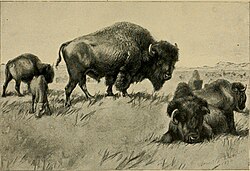
Classifications of Game
Many countries categorize game to manage wildlife populations and regulate hunting through licensing. These are typically split into two main groups:
- Small Game: Often covered by a single general license, these species may be subject to yearly bag limits (the maximum number of animals a hunter can take).
- Large Game: These typically require individual licensing or specific permits, often referred to as tags, for each animal harvested.
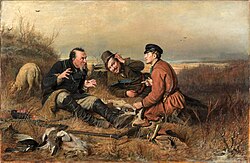
Key Facts
- Bushmeat is the term used in parts of Africa for wild animals hunted for meat, including primates and rodents.
- Big Game often refers to animals hunted for their ivory or pelts in Africa, or large ungulates globally.
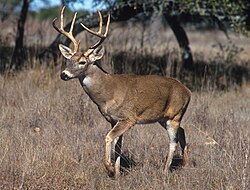
- White-tailed deer are the most commonly hunted big game in the United States and Canada.
- Legal definitions vary by country; for example, the UK Game Act 1831 specifically defines what constitutes "game."
- Conservation efforts have led to the reintroduction of species, such as wild boar in Denmark and southern Sweden.
Regional Game Species
Africa and South Africa
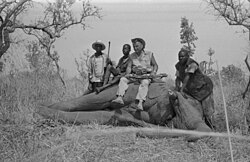
In Africa, the term bushmeat covers a wide range of species, including various antelopes (such as duikers), primates (mandrills or gorillas), and rodents (porcupines or cane rats). However, hunting endangered species is illegal.
South Africa is renowned for its biodiversity. Common big game include the Springbok, Impala, Greater kudu, Cape buffalo, and Southern white rhinoceros. The region also boasts 62 species of gamebirds. While some are protected, many—such as the Helmeted guineafowl and various species of sandgrouse and ducks—have secure or growing populations.
Oceania
In Australia, game includes both native species like Kangaroo, Emu, and Saltwater crocodiles, as well as feral animals such as the European rabbit, Red fox, feral pig, and feral camel. New Zealand's game primarily consists of Chamois, Tahr, pigs, and various deer and duck species.
North America and the Caribbean
In the US and Canada, hunting is diverse, spanning ungulates (Moose, Elk, Bighorn sheep), carnivores (Grizzly bear, Cougar), and various upland game birds. White-tailed deer remain the most popular big game target.
In the Caribbean, many hunted species are considered delicacies, including the Green iguana, Spectacled caiman, and various waterfowl and doves.
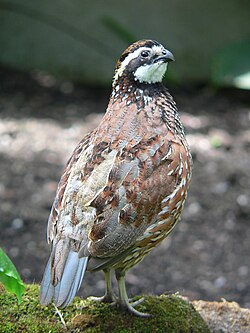
Asia and Europe
In China, wild animals are sometimes categorized under a special cuisine known as yewei. Russia's game range is vast, including the Siberian ibex, Brown bear, and various grouse and deer species.
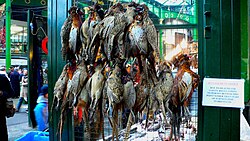
European hunting is strictly regulated. In the UK, the Game Act 1831 and the Wildlife and Countryside Act 1981 govern hunting, with specific bans on shooting game on Sundays or at night. Common UK species include Red and Roe deer, and various pheasants and partridges.
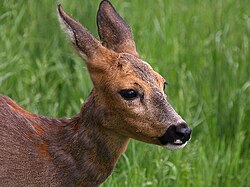
In Nordic countries, moose hunting in October is nearly a national pastime. In Germany, hunting is highly restricted; while species like Roe deer and Wild boar are common, others like the European bison are listed as game but have no hunting season because they are endangered.
Summary of Global Game Categories
| Region | Big Game Examples | Small Game/Birds Examples |
|---|---|---|
| Africa | Cape buffalo, Rhinoceros, Kudu | Guineafowl, Francolin, Quail |
| North America | Moose, Elk, Grizzly bear | Ring-necked pheasant, Turkey, Dove |
| Europe | Red deer, Wild boar, Moose | Red grouse, Woodcock, Partridge |
| Oceania | Kangaroo, Feral buffalo | Duck, Quail, Magpie geese |
Frequently Asked Questions
What makes game meat taste "gamey"?
The "gamey" flavor is typically caused by the animal's natural wild diet and a lower overall fat content compared to animals raised on domestic farms.
What is the difference between small game and big game?
Small game generally refers to smaller animals that may be hunted under a general license with bag limits. Big game refers to larger animals that usually require specific, individual permits or tags for each animal taken.
What is bushmeat?
Bushmeat is a term used primarily in Africa to describe wild animals hunted for meat, which can include antelope, primates, and rodents.
Are all animals listed as "game" legal to hunt?
No. In many regions, such as Germany, some animals are legally classified as game but have no hunting season because they are endangered and protected.
Which is the most common big game animal in North America?
The white-tailed deer is the most commonly hunted big game species in both the United States and Canada.