
Jakarta: The Dynamic Heart of Indonesia
Known affectionately as The Big Durian, Jakarta is a sprawling metropolis that serves as the economic and cultural epicenter of Indonesia. As a Special Capital Region (Daerah Khusus Ibukota), it blends a rich colonial past with a futuristic skyline, creating a city of contrasts where traditional Betawi villages coexist with gleaming skyscrapers.
From its origins as a strategic port to its current status as a global business hub, Jakarta continues to evolve. Its motto, Jaya Raya (Sanskrit for "Victorious and Great"), reflects the ambition and resilience of a city that manages one of the highest population densities in the world.
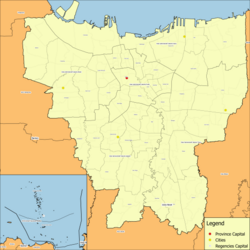
Key Facts
- Official Name: Special Capital Region of Jakarta (DKI Jakarta).
- Population: Approximately 11,010,514 in the special region and 41,914,000 in the metropolitan area (mid-2025).
- Economy: Nominal GDP of Rp 3,442.98 trillion (US$ 225.88 billion) as of 2023.
- Human Development Index: 0.850 (2024), ranked 1st in Indonesia.
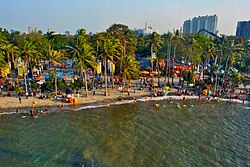
- Geography: A coastal city with an average elevation of 8 meters.
- Administrative Structure: Divided into five administrative cities (Central, North, South, West, East) and the Thousand Islands Regency.
A Journey Through History
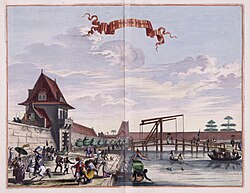
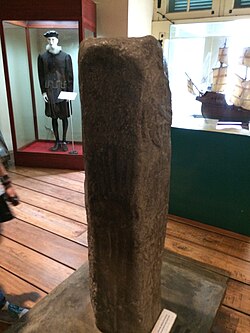
Jakarta's history is marked by its strategic location on the coast of Java. The city's early foundations as Jayakarta were established on June 22, 1527. Later, under Dutch colonial rule, it was renamed Batavia on May 30, 1619, serving as the headquarters of the Dutch East India Company.
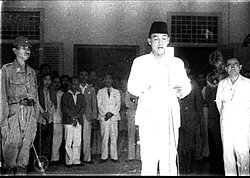
The transition to independence was a pivotal moment for the city. On August 17, 1945, Sukarno read the Proclamation of Indonesian Independence, marking the birth of a new nation. Jakarta officially attained province status on June 22, 1964.
Geography and Tropical Climate
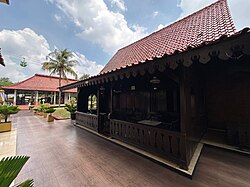
Located at 6°11′S 106°50′E, Jakarta experiences a tropical climate characterized by high humidity and significant rainfall. The city is divided into two primary seasons: the wet season, peaking from November to March, and the dry season, typically from June to September.
| Metric | Wettest Month (Jan/Feb) | Driest Month (Aug) | Annual Average |
|---|---|---|---|
| Mean Daily Max Temp | 30.8°C – 31.0°C | 33.0°C | ~32°C |
| Mean Daily Min Temp | 25.2°C – 25.5°C | 25.6°C | ~25°C |
| Average Precipitation | 373.3mm – 381.4mm | 51.5mm | 1,933.3mm |
| Relative Humidity | 83% – 85% | 77% | ~81% |
Urban Landscape and Infrastructure
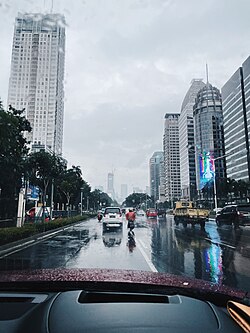
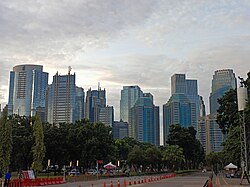
The city's architecture is a tapestry of eras. The Jakarta Old Town preserves the Dutch colonial aesthetic, while the Sudirman Central Business District (SCBD) represents the modern financial powerhouse of Southeast Asia.
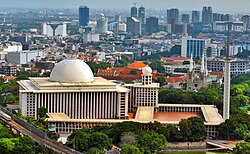
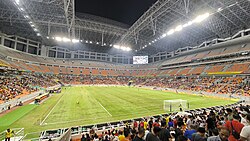
Public spaces and landmarks further define the city. The Istiqlal Mosque stands as the largest mosque in Southeast Asia, and the Jakarta International Stadium, with a capacity of 82,000, is the largest stadium in the country.
Transportation and Connectivity
Jakarta is part of the massive Jabodetabek metropolitan area. To manage its immense population, the city has implemented integrated mass transit systems and various traffic management strategies, such as the "Even-Odd" road system, to replace older restrictions.
Culture and Society
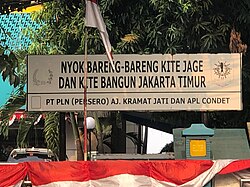
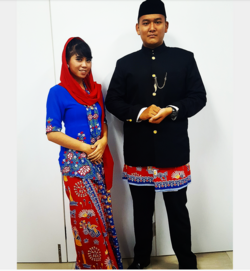
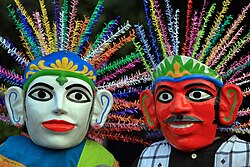
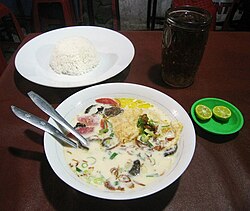
The native inhabitants of Jakarta are the Betawi people, an ethnic group whose culture is a blend of various influences. Betawi culture is vividly expressed through traditional puppets called Ondel-ondel and unique culinary staples like Soto Betawi.
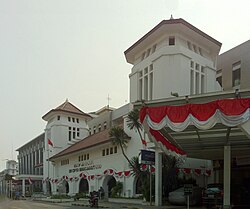
Education and healthcare are centralized in the city, with institutions like the University of Indonesia's Faculty of Medicine (housed in the historic STOVIA building) and Dr. Cipto Mangunkusumo Hospital providing critical services.
![The University of Indonesia's Faculty of Medicine in Salemba, Central Jakarta, occupies the former STOVIA medical school building, which opened in 1919 as part of Batavia's medical precinct.[104]](/images/22/fa/22fa2bb9f5f4754264d8edcea31bc7a810f0a1c55eada3ff3d1f744851a843de.jpg)
Global Relations
Jakarta maintains a strong international presence through sister city agreements. Its global network includes major capitals and hubs such as Tokyo, Seoul, Paris, New York, and Berlin, fostering cooperation in urban management and cultural exchange.
Frequently Asked Questions
What is the nickname of Jakarta?
Jakarta is commonly nicknamed "The Big Durian," a play on New York City's "The Big Apple," referencing the pungent and unique fruit common in the region.
What is the Betawi culture?
Betawi culture refers to the traditions of the ethnic group native to Jakarta. It is characterized by unique arts, the Betawi language, and iconic symbols like the Ondel-ondel puppets.
How large is the population of the Jakarta metropolitan area?
While the special capital region has about 11 million residents, the broader metropolitan area (Jabodetabek) is estimated at 41,914,000 people as of mid-2025.
What are some of the most prominent landmarks in Jakarta?
Key landmarks include the Istiqlal Mosque, the Jakarta International Stadium, the SCBD business district, and the historic Jakarta Old Town.
What is the climate like in Jakarta?
Jakarta has a tropical climate with high humidity and temperatures typically ranging between 25°C and 33°C. It experiences a distinct wet season from November to March.