
Magnet Fishing Laws and Regulations Across the Globe
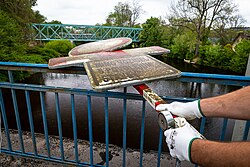
Magnet fishing—the act of using powerful magnets to retrieve metallic objects from bodies of water—has grown in popularity as both a hobby and a way to clean up the environment. However, while the activity may seem harmless, it is subject to a complex web of legal frameworks. Depending on the jurisdiction, items recovered from the water may not belong to the finder but to the local government.
Key Facts
- Ownership: In many regions, valuable finds belong to the state rather than the person who retrieved them.
- Permits: Several European countries, including Germany and Poland, require official permits to avoid fines or imprisonment.
- Safety: In cities affected by World War II, such as those in Germany, unexploded ordnance poses a significant risk to magnet fishers.
- Reporting: Historical or archaeological finds often must be reported to official bodies, such as Treasure Trove Scotland.
Legal Landscapes in Europe
Belgium
In Belgium, magnet fishing has provided tangible benefits to law enforcement. Amateur enthusiasts have assisted police by recovering firearms and ammunition, which served as new evidence in the investigations regarding the crimes of the Brabant killers.
France
France treats magnet fishing under the same legal umbrella as the detection of buried objects. The law states that no one may use equipment capable of detecting metallic objects to search for monuments or objects of interest to prehistory, history, art, or archaeology without first obtaining an administrative authorization. This permit is granted based on the applicant's qualifications and the specific nature of the search.
Germany
Regulations in Germany are strict and vary by city. In Hamburg, magnet fishing without a permit can result in a fine. In Berlin, the activity is governed by metal detecting rules, which require a permit. These permits are generally not granted to hobbyists because untrained personnel can disturb a site, causing the loss of the find's archaeological context. Additionally, the risk of encountering unexploded ordnance from World War II strategic bombing and fighting remains a serious concern in major German cities.
Poland
Poland maintains some of the strictest penalties for unauthorized magnet fishing. According to the Polish penal code, engaging in the activity without a valid government permit is considered a crime that can be punished by up to two years of imprisonment.
Regulations in the United Kingdom
England and Wales
In England and Wales, the activity is subject to local outdoor water regulations. The Canal & River Trust, which owns the majority of canals in these regions, expressly prohibits the removal of material from its waters. Violators may face a £25 fine, except for those fishing in the River Severn Navigation, the Gloucester and Sharpness Canal, or the Lee and Stort Navigation. While the Trust generally refrains from legal action against first-time offenders, the risks of the activity are evident; for example, a child retrieved a sawn-off shotgun from the Titford Canal in Oldbury in 2018.
Scotland
Magnet fishing is permitted in Scotland, though specific conditions apply. If a fisher intends to operate in a scheduled area, including the Canal Network, they must obtain permission from Scottish Canals and a Scheduled Monument Consent from Historic Environment Scotland. In Edinburgh, an official group has secured permission for members to fish in a section of the Union Canal. Any archaeological or historical discoveries must be reported to Treasure Trove Scotland.
Magnet Fishing in the United States
There are no federal laws in the United States that restrict magnet fishing, but state-level regulations vary. In South Carolina, the Underwater Antiquities Act prohibits magnet fishing in state waters without a license. In Indiana, the Department of Natural Resources allows magnet fishing on public waters via a permit, provided the magnet can be carried and retrieved by hand. Other states maintain their own specific regulations.
Summary of Regional Regulations
| Region/Country | Permit Required? | Key Authority/Law | Potential Penalty/Note |
|---|---|---|---|
| Belgium | Not specified | Police/Law Enforcement | Used to recover criminal evidence |
| France | Yes | Administrative Authorization | Required for historical/archaeological finds |
| Germany | Yes | City-specific (e.g., Berlin, Hamburg) | Fines; risk of unexploded ordnance |
| Poland | Yes | Polish Penal Code | Up to two years imprisonment |
| England & Wales | Prohibited (mostly) | Canal & River Trust | £25 fine |
| Scotland | Conditional | Historic Environment Scotland | Must report finds to Treasure Trove Scotland |
| United States | State-dependent | State Laws (e.g., SC Underwater Antiquities Act) | No federal restrictions |
Frequently Asked Questions
Do I own the items I find while magnet fishing?
Not necessarily. Depending on the jurisdiction, anything of value recovered from the water may legally belong to the local government rather than the finder.
Is magnet fishing illegal in the UK?
It depends on the location. In Scotland, it is allowed with certain consents. In England and Wales, the Canal & River Trust prohibits the removal of materials from its canals and rivers, which can lead to a fine.
Why are permits often denied to hobbyists in Germany?
Permits are often denied because untrained individuals may disturb a site, which causes the loss of the archaeological context of any find.
What are the risks of magnet fishing in Germany?
Beyond legal fines, there is a serious risk of retrieving unexploded ordnance in major cities that experienced strategic bombing and fighting during World War II.
Are there federal laws against magnet fishing in the US?
No, there are no federal laws restricting the activity, but individual states like South Carolina and Indiana have their own specific licenses or permit requirements.