
Maryland National Historic Landmarks: A Journey Through the Old Line State
Maryland is a state where history is etched into the landscape, from the colonial shores of the Chesapeake Bay to the industrial hubs of Baltimore. The National Historic Landmark (NHL) program recognizes sites that possess exceptional value or quality in illustrating or interpreting the heritage of the United States. In Maryland, these landmarks are distributed across 17 of the state's 23 counties and the independent city of Baltimore, offering a diverse window into American evolution.
Key Facts
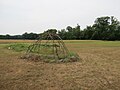
- Broad Distribution: NHLs are found in 17 Maryland counties and the City of Baltimore.
- Maritime Heritage: The state preserves a significant collection of Chesapeake Bay vessels, including skipjacks, bugeyes, and buy-boats.
- Railroad Innovation: Maryland is home to the oldest American railyard and pioneering bridge designs.
- Diverse Eras: Sites range from archaeological villages dating to A.D. 1300 to nuclear ships from the 20th century.
Maritime and Naval Legacy
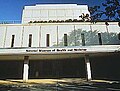
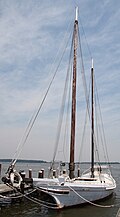
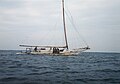
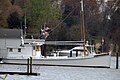
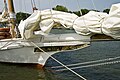
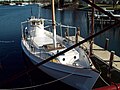
The Chesapeake Bay has long been a center of commerce and defense. Maryland's NHLs include a variety of specialized vessels that define the region's maritime identity. The bugeye, a traditional Chesapeake Bay oyster boat, is represented by the EDNA E. LOCKWOOD, the last working boat of its kind.
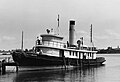
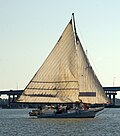
Other notable maritime landmarks include several skipjacks (traditional sailing vessels used for oystering) such as the HILDA M. WILLING, KATHRYN, and REBECCA T. RUARK. The state also preserves buy-boats, which were used to purchase oysters from smaller boats, including the NELLIE CROCKETT and WILLIAM B. TENNISON.
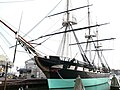
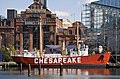
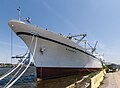
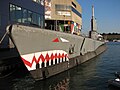
Beyond commercial fishing, Maryland's naval history is highlighted by the USS CONSTELLATION, an 1854 sloop-of-war, and the USS TORSK submarine. The N.S. SAVANNAH stands as a technological milestone as the first nuclear-powered merchant ship.
Railroads and Industrial Engineering
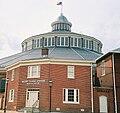
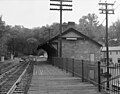
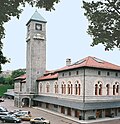
Maryland played a pivotal role in the American Industrial Revolution, particularly through the Baltimore and Ohio (B&O) Railroad. The Baltimore and Ohio Transportation Museum and Mount Clare Station mark the site of the first passenger rail service and the first telegraph message in the U.S.
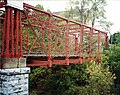
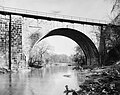
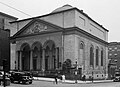
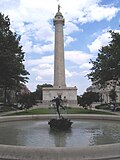
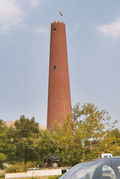
Engineering breakthroughs are visible in the Bollman Truss Railroad Bridge, the only surviving example of the first successful all-metal bridge design used on railroads, and the Thomas Viaduct. The state's industrial history is further represented by the Phoenix Shot Tower and the Old Lock Pump House of the Chesapeake and Delaware Canal.
Colonial Foundations and Early Settlements
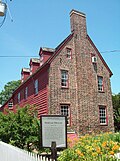
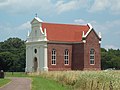
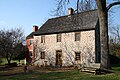
The roots of Maryland's history are found in its early settlements and colonial architecture. The St. Mary's City Historic District and the Accokeek Creek Site—an archaeological site of a palisaded village occupied from approximately A.D. 1300 to 1630—provide insight into the state's earliest inhabitants.
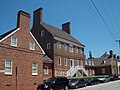
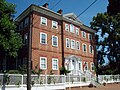
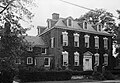
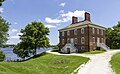
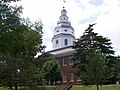
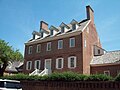
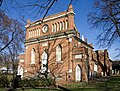
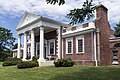
Annapolis, the state capital, is a treasure trove of Georgian architecture. Landmarks such as the Maryland Statehouse, the William Paca House, and the Colonial Annapolis Historic District reflect the political and social structures of the 18th century.
Homes of Influential Figures
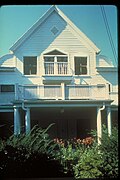
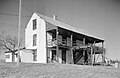
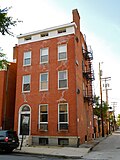
Many NHLs in Maryland are tied to individuals who shaped American science, humanitarianism, and literature. The Clara Barton House in Glen Echo was the home of the founder of the American Red Cross, while the Rachel Carson House in Silver Spring is where the influential environmental work Silent Spring was written in 1962.
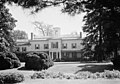
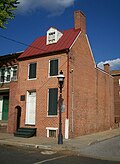
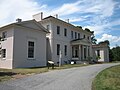
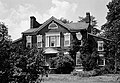
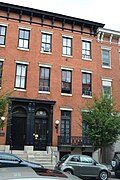
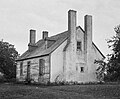
The state also preserves the homes of literary and political figures, including the Edgar Allan Poe House and the Doughoregan Manor, which was the home of Charles Carroll, the last surviving signer of the Declaration of Independence.
Summary of Selected Maryland National Historic Landmarks
| Landmark Name | Location | Significance |
|---|---|---|
| Accokeek Creek Site | Prince George's | Archaeological village (A.D. 1300–1630) |
| Bollman Truss Bridge | Howard | First successful all-metal railroad bridge design |
| USS CONSTELLATION | Baltimore | 1854 Sloop-of-war/corvette |
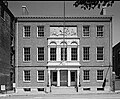
| Maryland Statehouse | Annapolis | Center of state government |
| N.S. SAVANNAH | Baltimore | First nuclear-powered merchant ship |
| Clara Barton House | Montgomery | Home of the American Red Cross founder |
Frequently Asked Questions








What is a National Historic Landmark (NHL)?
A National Historic Landmark is a site designated by the U.S. government as possessing exceptional value in illustrating or interpreting the heritage of the United States.
Which Maryland city has a high concentration of NHLs?
The City of Baltimore has a very high concentration, including sites like the Star-Spangled Banner Flag House, the USS TORSK, and the B&O Transportation Museum.
What are skipjacks and bugeyes?
Skipjacks and bugeyes are traditional sailing vessels used for oystering in the Chesapeake Bay. Several of these are preserved as NHLs in Talbot County.
Who was the last surviving signer of the Declaration of Independence associated with a Maryland NHL?
Charles Carroll, whose home, Doughoregan Manor in Howard County, is designated as a National Historic Landmark.
Are there any scientific landmarks in Maryland?
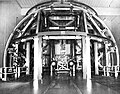
Yes, including the Gaithersburg Latitude Observatory and the Spacecraft Magnetic Test Facility in Greenbelt.