
Milk: Nutrition, Production, and Global Consumption
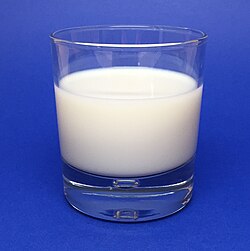
Milk is a nutrient-rich liquid produced by the mammary glands of lactating mammals. While typically white, it can appear in shades of yellow, cream, pink, or brown depending on the species and diet. Serving as the primary source of nutrition for young mammals before they can digest solid foods, milk provides essential proteins, calcium, and fats necessary for early development.
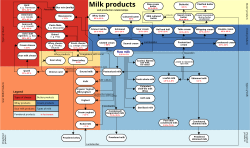
Beyond its biological role in infancy, milk has become a global food commodity. From traditional rituals to industrial-scale farming, it is processed into a vast array of products including cheese, butter, and yogurt, supporting millions of people worldwide.
Key Facts
- Primary Function: Essential nutrition for young mammals before the transition to solid food.
- Colostrum: The first milk produced, rich in antibodies and immune-modulating components.
- Key Nutrients: Contains calcium, protein, saturated fats, and the sugar lactose.
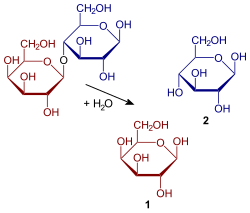
- Lactase: The specific enzyme required by the body to break down lactose.
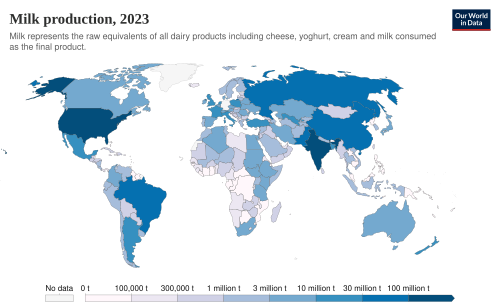
- Top Producer: India is the world's leading producer of milk.
- Major Sources: While cows dominate, buffaloes (11%) and goats (2%) are significant contributors to global supply.
Biological Composition and Nutrition

The composition of milk varies by species, but it generally consists of water, proteins, lipids, and carbohydrates. A critical component is lactose, a sugar that requires the enzyme lactase for digestion. When the body lacks this enzyme, it results in lactose intolerance.
The lipid profile of milk is primarily composed of triglycerides, including fatty acids such as myristic, palmitic, and oleic acids. Proteins also vary significantly between species; for example, bovine (cow) milk has a different protein ratio compared to human milk.
Comparative Nutritional Value
Different mammalian sources offer varying levels of energy and nutrients. Water buffalo milk is notably higher in fat and energy compared to cow or goat milk.
| Constituent | Cow | Goat | Sheep | Water Buffalo |
|---|---|---|---|---|
| Water (g) | 87.8 | 88.9 | 83.0 | 81.1 |
| Protein (g) | 3.2 | 3.1 | 5.4 | 4.5 |
| Fat (g) | 3.9 | 3.5 | 6.0 | 8.0 |
| Carbohydrate (g) | 4.8 | 4.4 | 5.1 | 4.9 |
| Calcium (mg) | 120 | 100 | 170 | 195 |
| Energy (kcal) | 66 | 60 | 95 | 110 |
Global Production and Sources
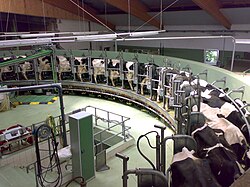
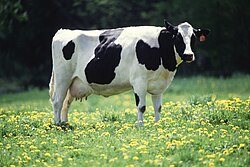
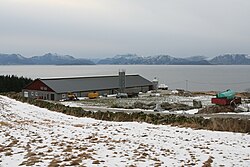
The modern dairy industry is dominated by cow milk, with the Holstein Friesian breed being the most prevalent in industrialized farms. However, other animals provide vital sources of milk globally.
Major Animal Sources
- Cows: The primary source for global industrial dairy.
- Buffaloes: Account for approximately 11% of world milk production, with India as a leading producer.
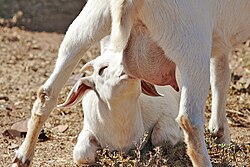
- Goats: Contribute roughly 2% of the world's milk supply.
Leading Producing Nations
Production is concentrated in a few key regions. India leads the world in total production, followed by the European Union and the United States. Other significant producers include Pakistan, China, and Brazil.

Processing and Distribution
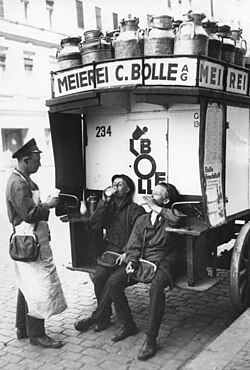
To ensure safety and extend shelf life, milk undergoes various industrial processes. Pasteurization involves heating milk to kill harmful bacteria, while homogenization breaks down fat globules to prevent cream from separating.

Common Processing Methods
- UHT (Ultra-High Temperature): A process that allows milk to be stored without refrigeration for longer periods.
- Filtration: Used to remove specific components or concentrate proteins.
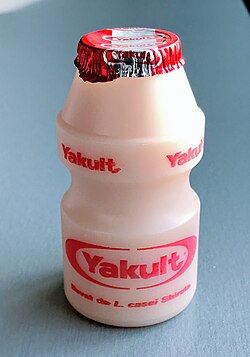
- Fermentation: The process used to create products like buttermilk or probiotic drinks such as Yakult.
Packaging and Logistics
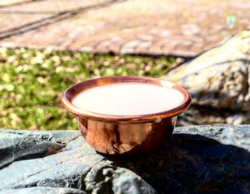
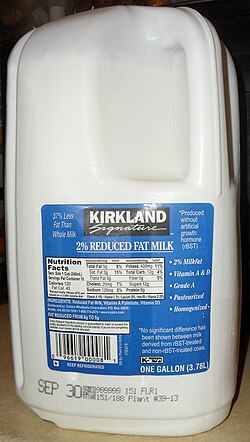
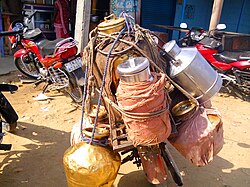
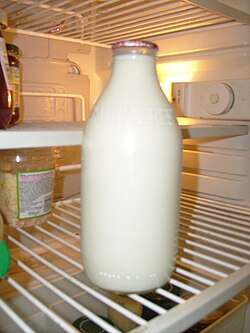
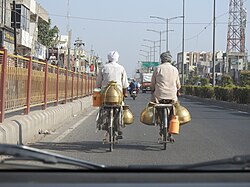
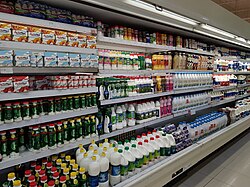
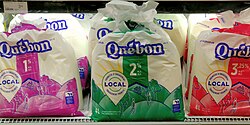
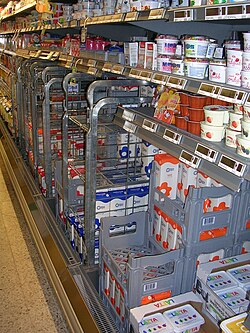
Milk distribution varies by region. In the UK, reusable glass bottles have been a staple for home delivery. In the US, rectangular plastic jugs are common for efficiency in stacking and display. In parts of India and Pakistan, milk is often transported in plastic bags or traditional vessels like the gagar.
Cultural and Non-Culinary Uses

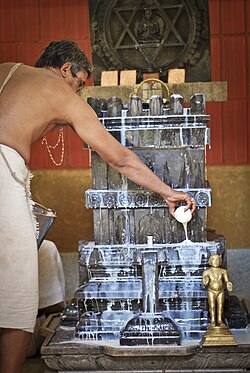
Milk transcends its role as a food source, appearing in religious and wellness practices. In Hinduism, it is used in the Abhisheka ritual. In other cultures, it is used in shamanic rites or as a luxury ingredient in spa treatments, such as milk baths.
Frequently Asked Questions


![A glass bottle of non-homogenized, organic, local milk from the US state of California. American milk bottles are generally rectangular in shape.[citation needed]](/images/8a/6d/8a6d27ff895a53a603ebc4b9b33d163f0cedef4bb5efd85d7e681bf4639542f7.jpg)
![Gourd used by Kalenjins to prepare a local version of fermented milk called mursik[158]](/images/49/71/49712443deea9b242aff3328f8a93b4b19aa0eca37c69f492c6e0adba5ddab50.jpg)

What is colostrum?
Colostrum is the first form of milk produced by the mammary glands immediately after giving birth. It is highly concentrated with antibodies and immune-modulating components that help protect the newborn from diseases.
What is the difference between pasteurization and homogenization?
Pasteurization is a heat-treatment process designed to eliminate pathogens for safety. Homogenization is a mechanical process that prevents the fat (cream) from separating and rising to the top of the milk.
Why can some people not digest milk?
Some individuals suffer from lactose intolerance, which occurs when the body does not produce enough lactase, the enzyme necessary to break down lactose (the primary sugar in milk).
Which country produces the most milk?
India is the world's largest producer of milk, leading in both total volume and specifically in buffalo milk production.
What are the most common breeds of dairy cows?
The Holstein Friesian is the most dominant breed in industrialized dairy farming, though others like the Jersey, Brown Swiss, and Zebu are also utilized, often varying in their butterfat percentages.