
Yogurt: History, Nutrition, and the Science of Fermentation
Yogurt is a versatile fermented dairy product created through the bacterial fermentation of milk. Known for its characteristic tangy flavor and creamy texture, it has evolved from a spontaneous discovery by nomadic peoples into a global dietary staple available in countless varieties.
At its core, yogurt is the result of a biological process where specific bacteria convert the sugars in milk into lactic acid. This process not only preserves the milk but also alters its physical structure, transforming a liquid into a thick, semi-solid substance.
Key Facts
- Origin: Derived from the Ottoman Turkish word yoğurt, related to the verb yoğurmak (to knead or thicken).
- Primary Bacteria: Produced using Streptococcus thermophilus and Lactobacillus bulgaricus.
- Nutritional Powerhouse: A rich source of Vitamin B12 (31% DV) and Riboflavin (23% DV).
- Digestive Aid: Live cultures can help individuals with lactose maldigestion digest dairy more easily.
- Legal Status: In the EU and US, the term "yogurt" is legally reserved for products derived from animal milk.
The History and Etymology of Yogurt
The linguistic roots of yogurt trace back to Old Turkic. The word yuġrut appears in Uyghur texts predating the year 1000 and was later documented in the 11th-century Dīwān Lughāt al-Turk. Historically, the earliest yogurts were likely produced spontaneously when milk was stored in goat skin bags, allowing wild bacteria to ferment the contents naturally.
Ancient civilizations also utilized similar products. In ancient Greece, a dairy product called oxygala (meaning "sour milk") was consumed, often mixed with honey—a practice mirrored in the consumption of modern thickened Greek yogurt. Pliny the Elder also noted that certain "barbarous nations" possessed the knowledge to thicken milk into a substance with an "agreeable acidity."
Nutritional Profile
Plain yogurt made from whole milk is composed of approximately 81% water, 9% protein, 5% fat, and 4% carbohydrates. It is particularly noted for its high concentration of B vitamins and essential minerals.
| Property | Whole Milk | Yogurt |
|---|---|---|
| Energy | 610 kJ (146 kcal) | 620 kJ (149 kcal) |
| Protein | 7.9 g | 9 g |
| Total Fat | 7.9 g | 8.5 g |
| Calcium | 276 mg | 296 mg |
| Phosphorus | 222 mg | 233 mg |
| Potassium | 349 mg | 380 mg |
How Yogurt is Produced
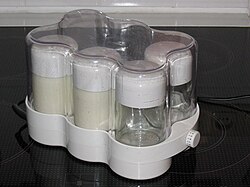
The production of yogurt is a precise scientific process involving temperature control and biological inoculation. The general steps include:
- Heating: Milk is warmed to a temperature between 30–45 °C (86–113 °F). This range is critical as it must be warm enough to encourage bacterial growth but not so hot that it kills the microorganisms.
- Inoculation: A starter culture, typically consisting of Streptococcus thermophilus and Lactobacillus bulgaricus, is added to the milk.
- Incubation: The mixture is kept warm for 4 to 12 hours, allowing the bacteria to ferment the lactose into lactic acid, which coagulates the milk proteins.
Varieties and Processing
Beyond standard production, yogurt can be further processed. Straining is used to remove whey, resulting in a thicker consistency. This is common in Greek-style yogurts or Turkish Süzme yogurt.
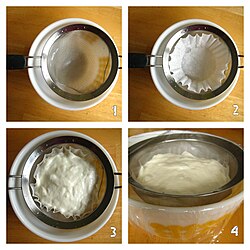
Yogurt is also consumed as a beverage or incorporated into traditional dishes, such as the Indian condiment Raita or the Bengali sweet yogurt known as Bogurar doi.

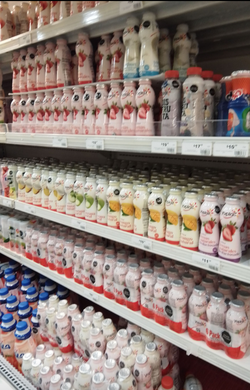
Health and Regulatory Considerations
Lactose Intolerance
Lactose intolerance occurs when the body has a decreased ability to digest lactose, the primary sugar in dairy. The European Food Safety Authority (EFSA) has determined that live yogurt cultures (lactobacilli) can alleviate these symptoms because the bacteria help digest the lactose. For a product to claim this benefit, it must contain at least 10 CFU (colony-forming units) of live starter microorganisms per gram.
Plant-Based Alternatives
With the rise of vegan diets, many plant-based alternatives have entered the market. However, legal regulations in the European Union (Regulation 1308/2013) and the US FDA's Standard of Identity reserve the word "yogurt" exclusively for products made from milk-derived ingredients. Consequently, plant-based versions cannot be legally marketed as "yogurt" in these jurisdictions.
Frequently Asked Questions
What bacteria are used to make yogurt?
The most common starter cultures used in yogurt production are Streptococcus thermophilus and Lactobacillus bulgaricus.
Can people with lactose intolerance eat yogurt?
Yes, many can. Live yogurt cultures can help digest the lactose in the product, making it easier to tolerate than plain milk.
Why is some yogurt thicker than others?
Thickness is often achieved through straining, a process that removes liquid whey to concentrate the proteins and fats, as seen in Greek or Süzme yogurt.
Is plant-based yogurt actually yogurt?
Legally, in the US and EU, it is not. The term "yogurt" is reserved for animal-derived dairy products; plant-based alternatives are considered substitutes.
What is the ideal temperature for fermenting yogurt?
The milk should be maintained between 30–45 °C (86–113 °F) to ensure the starter culture thrives without being destroyed by excessive heat.